
What Really Happens When a Tire Fails at 70 Miles Per Hour?
/You're cruising down the interstate at 70, music on, hot coffee in the cup holder, everything feeling completely normal. Then there's a sudden loud bang, a violent shudder, and the car abruptly wants to go somewhere you didn't tell it to go.
A tire failure at highway speed is one of the most frightening things a driver can experience. In a split second, the single patch of rubber connecting one corner of the car to the road stops doing its job the way it should.
What makes it so scary is how small the cause can be. A hidden defect, a weak bond between layers, or a flaw invisible to the naked eye can grow quietly until the tire gives way, turning an ordinary trip into a fight for control.
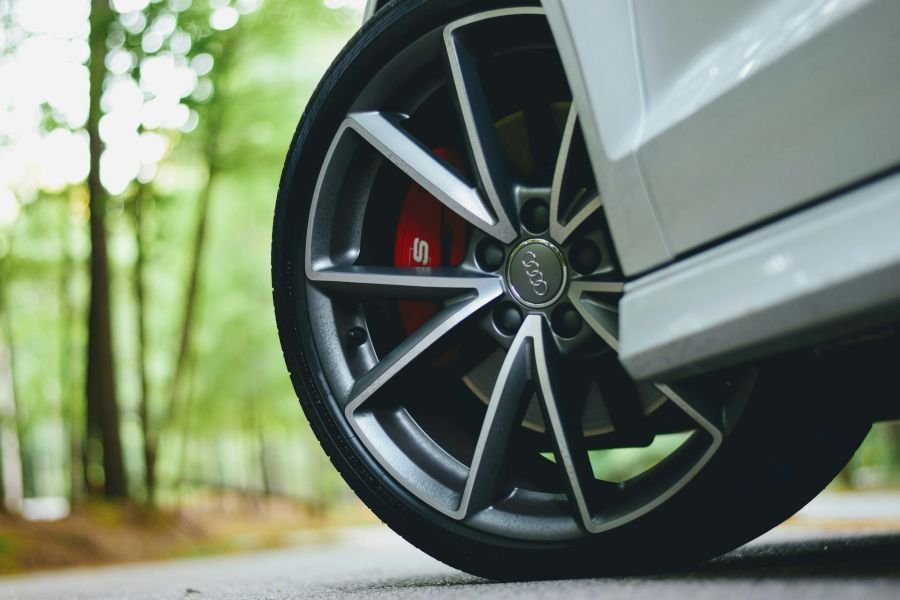
credit: unsplash.
The First Seconds After a Tire Failure
When a tire suddenly loses air, the car typically pulls hard toward the failed side. Steering can feel heavy or loose, and the vehicle may vibrate violently. The driver's instinct is often to slam the brakes, which can make things much, much worse.
Tread separation can be even more dangerous. When the outer tread peels away from the tire body, it can flail against the wheel well, damage the vehicle, and cause sudden instability. Drivers may lose control before they understand what happened. It happens fast.
In crashes that may involve product defects, a defective tire lawyer often works closely with experts to examine exactly how the tire failed. Safety advocates generally recommend staying calm, holding the wheel firmly, easing off the gas, and steering gently to a safe stop.
The Hidden Forces Acting on a Tire at Highway Speed
Tires endure an incredible amount of stress during ordinary driving. At highway speeds, each tire rotates many times per second, constantly flexing and recovering as it rolls. Every rotation compresses and releases the rubber where it meets the pavement. That's a lot of punishment.
That constant flexing generates heat. Heat is a tire's quiet enemy, especially in hot weather or when a tire is underinflated or overloaded. Excessive heat can weaken the rubber and the internal bonds that hold the tire's layers together. Summer roads are brutal.
Friction and road impacts add more stress. Potholes, curbs, and debris can damage internal structures without leaving obvious outside marks. Meanwhile, the tire must grip the road for steering, braking, and acceleration, all while supporting the full weight of the vehicle above it.
Why Some Tires Fail Even When Drivers Maintain Them Properly
Not every tire failure is the driver's fault. Some tires leave the factory with hidden problems. Manufacturing defects can include contaminated materials, poor bonding between layers, or errors during the curing process that weaken the tire from the start. Some flaws are invisible.
Tread separation is one of the most notorious failure modes. In 2000, millions of tires were recalled amid concerns about tread separation, a high-profile example of how a defect can affect huge numbers of drivers at once. Design flaws can create similar widespread risks.
Still, not every single failure points to a true defect. Underinflation, overloading, badly worn tread, old tires, punctures, and improper repairs can all cause blowouts. Telling the difference between a defective product and ordinary wear or neglect usually requires careful, detailed expert analysis.
How Investigators Determine What Caused a Tire Failure
The tire itself is the most important piece of evidence. Experts examine the failed tire closely, looking at the separation pattern, signs of heat damage, punctures, repair attempts, and the condition of the internal layers. Preserving the tire is essential. Don't throw it away.
Maintenance records help fill in the picture. Inflation checks, rotations, past repairs, and the tire's age can show whether it was properly cared for. The code molded into the sidewall can identify when and where a tire was manufactured. That code matters.
Manufacturing information and recall databases may reveal known problems with a particular tire model or line. Accident reconstruction can then connect the failure to the crash, examining skid marks, vehicle damage, and the vehicle's path to understand exactly how the loss of control unfolded.
Conclusion
A tire failure at 70 miles per hour can turn a calm drive into a terrifying struggle for control in seconds. Sudden air loss or tread separation can pull a vehicle sharply off course, and panicked reactions can make the situation even worse.
Tires face enormous forces every mile, from heat and flexing to friction and road impacts. Most failures come from ordinary wear, damage, or improper inflation, but some tires carry hidden manufacturing or design defects that drivers could never detect themselves. Hidden defects happen.
Staying safe means checking tire pressure every month, watching tread depth, replacing aging tires, and paying attention to recalls and warning signs. When a failure does cause a crash, preserving the tire and investigating carefully can help reveal whether a defect played a role.
Disclosure: This is a collaborative post.