How Multi-Generational Trips Bring Families Closer
/
credit: unsplash.
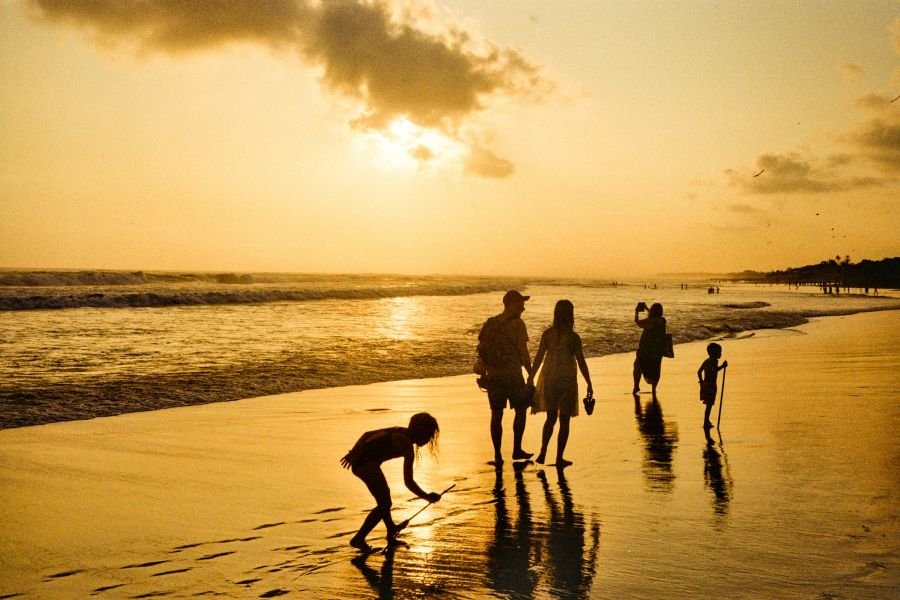
A family holiday can create the unhurried time that several generations rarely enjoy together at home. Grandparents, parents and children can share new experiences without school runs, household jobs and packed diaries getting in the way. Yet a successful multi-generational trip needs more thought than simply finding enough beds. Different budgets, routines and mobility levels all shape the experience, so the best plans give everyone time together and room to follow their own interests.
The Rise of Three-Generation Holidays
Families often live far apart or struggle to coordinate regular visits, which makes a shared holiday particularly valuable. The growing interest in multi-generational travel reflects a desire to spend meaningful time together and pass family stories between generations.
Start planning with a short group conversation about priorities. One person may want cultural visits, whilst another hopes for relaxed meals and easy access to a pool. Agree on two or three shared aims before discussing destinations. Set a clear budget too, including transport, accommodation, meals and optional activities. This avoids awkward assumptions about who will pay and gives every household an equal voice.
Balancing Different Energy Levels
Build each day around one main shared activity, leaving space before or afterwards for rest and independent plans. A morning museum visit could be followed by a quiet afternoon, for example, whilst more energetic relatives explore nearby shops or parks.
A flexible schedule also helps families handle naps, early bedtimes and mobility needs without making anyone feel like a burden. Look for accommodation with lifts, nearby dining and separate living areas. Families considering guided tours can also compare how much practical planning is handled, including itineraries, meals and departure arrangements. Ask about walking distances and free time before booking, since the published daily programme may not reveal how demanding each outing feels.
Why Expert Planning Removes Everyday Friction
A neutral planner can help when several adults have strong but different opinions. They can suggest realistic transfer times, suitable room arrangements and activities with alternatives for those who need a slower day. Reports from multi-generational travellers also show the value of carefully matched arrangements when ages and interests vary.
Even if you organise everything yourself, give one person responsibility for each practical area. Someone can manage transport, another can confirm meal bookings and a third can collect passport or insurance details. Keep the final itinerary in one shared document and include booking references, addresses and emergency contacts. For destination-specific ideas, these tips for a fun family trip offer a useful model for balancing group activities with individual needs.
Shared Memories Across Generations
Choose experiences that encourage conversation and participation across age groups. A simple food workshop, boat trip or local craft session often works better than an attraction that appeals to only one generation. Give children small roles too, such as choosing a café or taking photographs for a shared album.
Allow stories to emerge naturally. A grandparent may recall an earlier visit, whilst a child notices details that adults overlook. After the trip, gather photographs and short captions in a printed book or shared digital folder. Ask each person to contribute one favourite moment. Years later, the funniest missed bus, favourite pudding or unexpected view may matter more than the headline attraction, becoming part of the family history everyone helped to create.
Disclosure: This is a collaborative post.