Sunday Pasta Lunch without the Sauna: Keep Your Kitchen Cool and Cozy
/Sunday lunch in Italy is a big deal. Nonna starts early. Pots bubble on the stove, and the whole family shows up hungry. It sounds lovely, and it is. But there is one small problem. By noon, the kitchen feels like a sauna. Steam fogs the windows, and everyone is sweating. The good news is that you can fix this without giving up your pasta pot. Let's see how.
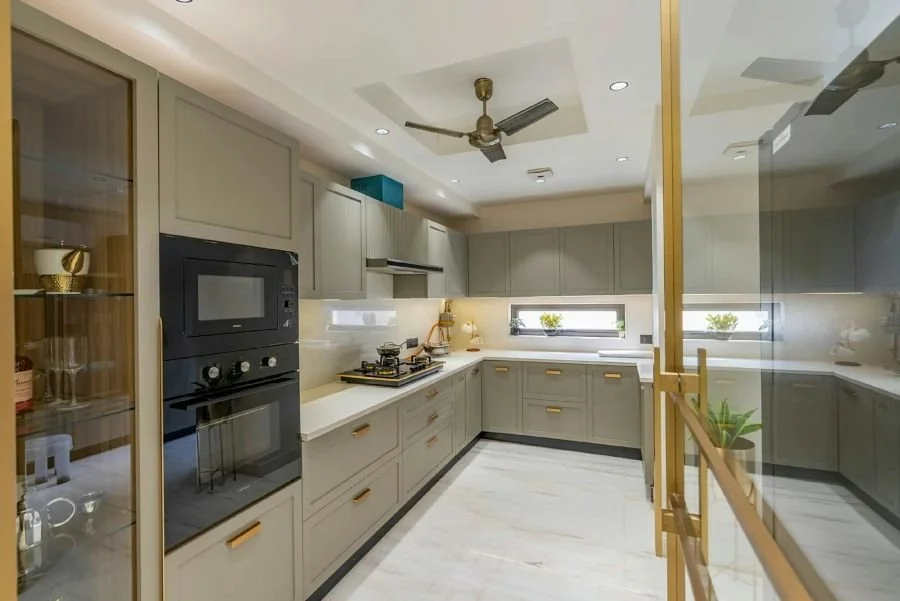
credit: unsplash.
Why Pasta Day Turns Your Kitchen into a Steam Room
A pound of pasta needs about four quarts of water. That is a lot of boiling water. All that steam has nowhere to go. It floats up, fogs the windows, and settles on the walls. Add a hot oven for the roast, and the room heats up fast. Meanwhile, sauce splatters and cooking smells hang around long after dinner.
Many families open a window and hope for the best. Sometimes that works. However, on still days, the air just sits there. A better fix is to keep the air moving. That is where a ceiling fan comes in.
Let Moving Air Do the Work
A fan in the kitchen may sound odd at first. Yet it makes sense. Moving air keeps steam and smells from settling. It also helps you feel cooler while you stir the sauce. In winter, you can reverse the blades to spread warm air more evenly. If you want to see some stylish options, browse the kitchen ceiling fans seen here. You will find many sizes, finishes, and light choices.
Fans can also save money. Instead of setting the thermostat to extremes, let a fan help you feel comfortable. Models with an ENERGY STAR label use less power while still moving air well.
Pick the Right Size and Style
Size matters. Small kitchens often do well with 36 to 44 inch fans. Larger kitchens may need 52 inches or more. If your ceiling is low, a low profile fan sits close to the ceiling and still moves air well. Also, check the space around the blades. Keep them clear of cabinets, shelves, and hanging lights.
Lighting is another bonus. Many fans come with lights, which helps when you chop onions or read a recipe. A remote is handy too. It lets you change the speed from across the room, so you never have to leave the stove.
Finish counts as well. White blends into the ceiling. Black adds a bold touch. Brushed nickel suits modern kitchens with steel appliances.
Love a farmhouse look? Choose wood-grain blades with soft white or bronze finishes. Prefer a classic feel? Rich walnut or polished brass suits warm, traditional kitchens.
Make the Kitchen Feel Like Home
Italian kitchens are more than cooking spaces. They are where families gather. Some Italian shops and bars even keep family photographs on display behind the counter. Try a similar idea at home. Hang a few framed pictures near the table. Add a bowl of lemons or a jar of wooden spoons. A cozy kitchen invites people to stay, chat, and help.
A fan supports that mood. When the air feels fresh, guests linger longer. Kids do homework at the table. Grandparents stay for coffee. Nobody rushes off to find a cooler room. Sunday lunch is a long tradition in many Italian homes, and it often stretches for hours. A comfortable kitchen makes those hours easier.
Install It the Smart Way
Electrical work in kitchens can get tricky. Many appliances and lighting circuits are involved. If you feel unsure, hire a professional. It is a small cost for peace of mind. Also, place the fan where it will not bump cabinet doors or tall appliances. Over the main workspace or seating area is often the best spot.
Small Kitchen? No Problem
Many homes have tiny kitchens, and that is fine. A smaller fan with a light gives you airflow and brightness without crowding the room. Open a window a crack for extra fresh air. Then let the fan keep the air moving. Small steps add up quickly.
Easy Habits That Keep Things Fresh
Good habits help as much as good gear. Start with a big pot and a lid. The lid keeps steam inside and helps the water boil sooner. Once it boils, salt your pasta water well, then add the pasta. This seasons the pasta itself, so the whole dish tastes better.
Next, turn the fan on before you start cooking, not after. That way the air is moving early. Aim the airflow toward your prep area, but do not push smoke toward the smoke detector. Finally, wipe the blades often. Kitchen fans collect dust and grease. A damp microfiber cloth and mild soap do the job. Skip harsh chemicals, because they can harm the finish.
Ready for Your Next Sunday Lunch?
Cooking for family should feel joyful, not sweaty. A good fan, smart habits, and a few personal touches can change everything. Start small. Measure your space, pick a style you love, and enjoy the next big pot of pasta. Your family will thank you for it. Buon appetitto!
Disclosure: This is a collaborative post.