The Wall Behind the Counter
/Something I only noticed after years of going to the same places: in Italy the family photographs are out where everyone can see them. At home in England, ours were nowhere at all.
There is a bar we go to most mornings when we're in Italy. Nothing special about it, a zinc counter, a coffee machine that has outlived several governments, four small tables nobody uses because everyone drinks standing up.
High on the wall behind the till, angled slightly down, there is a photograph of a man in his thirties standing in front of what is recognisably the same doorway. It has been there long enough that the white has gone the colour of weak tea. I must have stood underneath it two hundred times before I actually looked at it.
When I finally asked, I got a shrug and an answer that took four words. His father. He opened it.
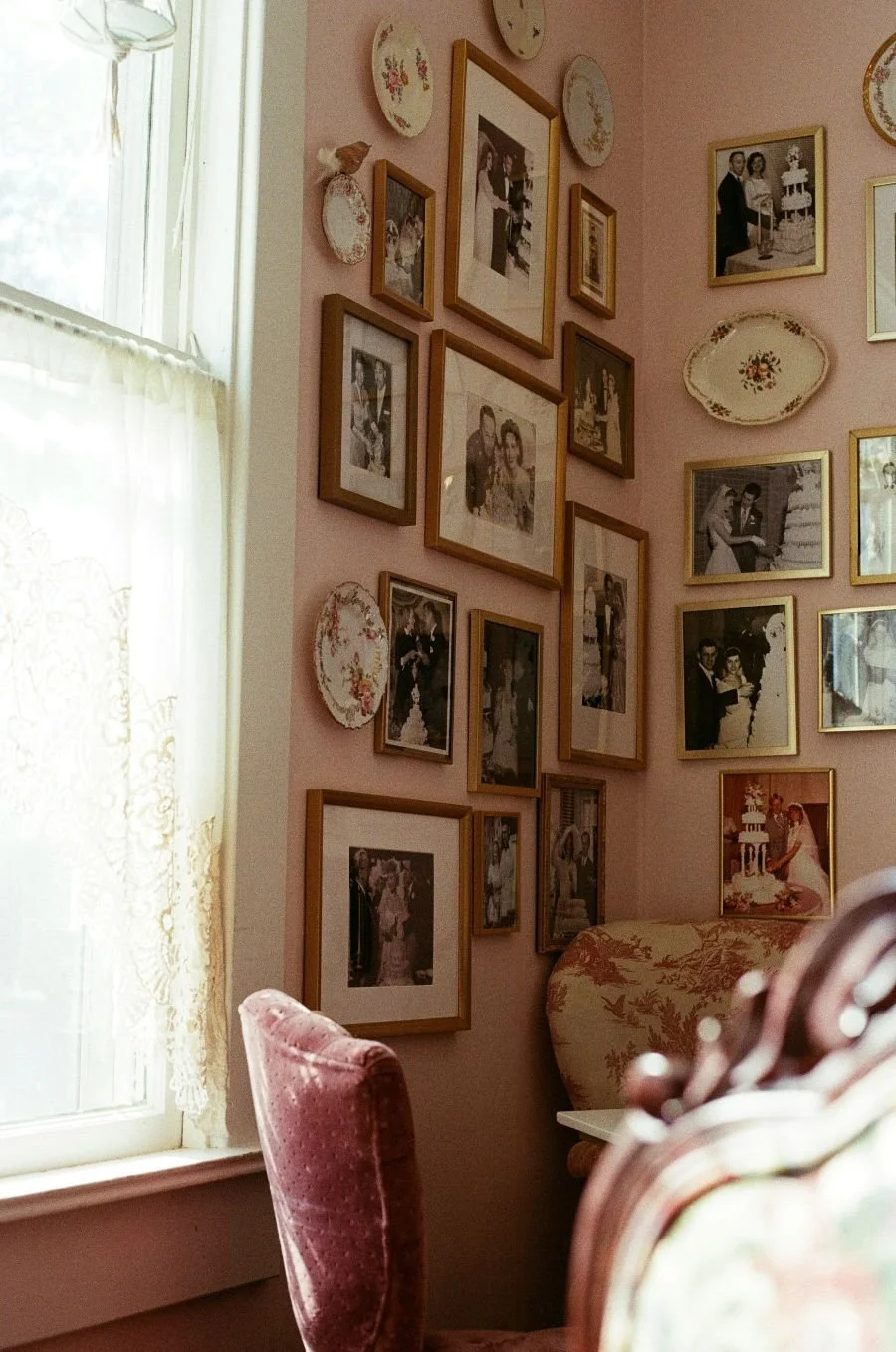
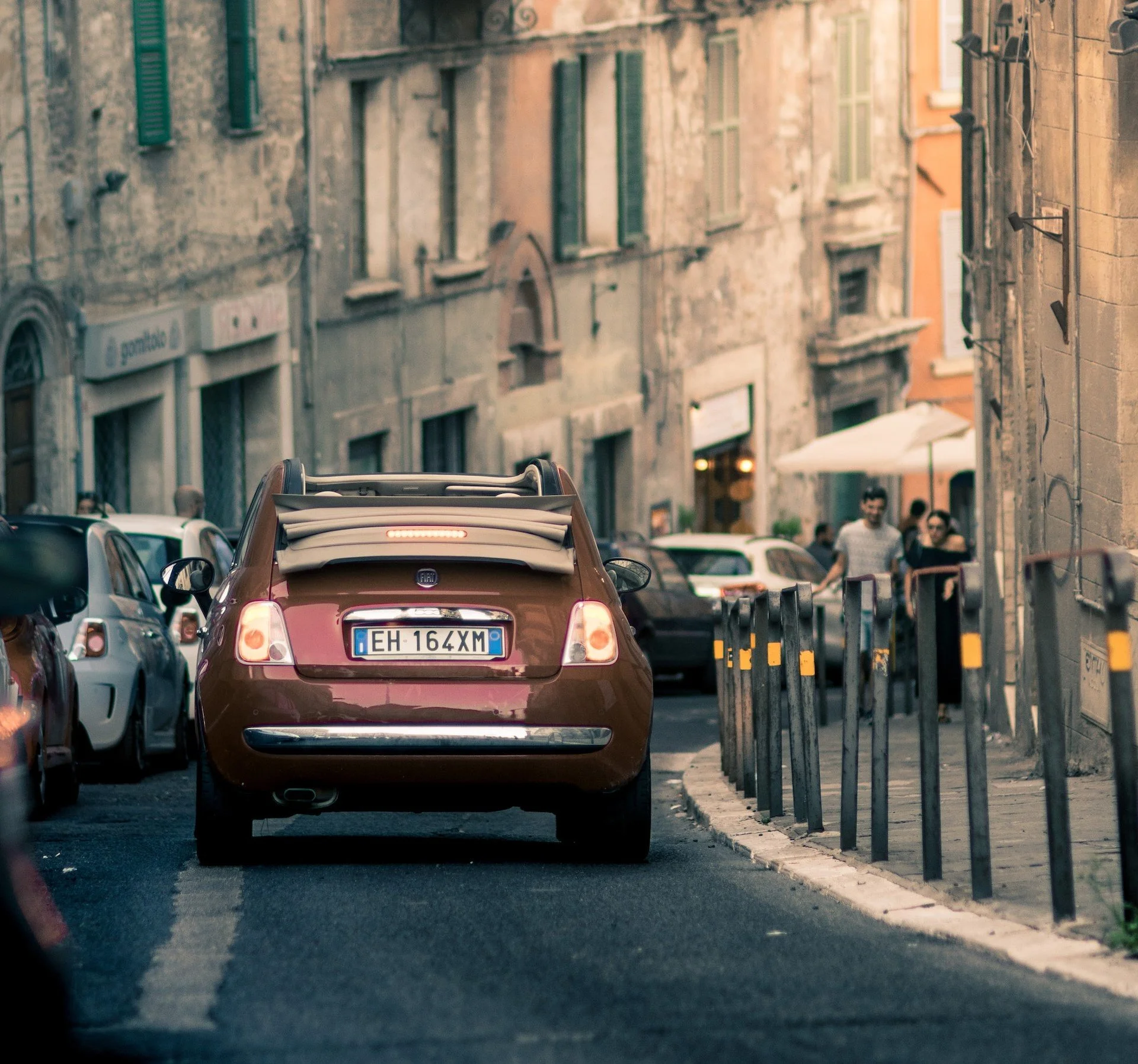
credit: Unsplash.
Once you see it, you see it everywhere
I started noticing after that, the way you do.
The alimentari two streets over has a wedding photograph propped between the tins. The barber has four generations in mismatched frames climbing the wall beside the mirror, so you spend your entire haircut looking at them. The ferramenta, a hardware shop the size of our downstairs loo, stacked to the ceiling with things I couldn't name in either language, has a picture of a football team from what must be the 1970s sellotaped to the side of the till.
I want to be careful here, because this is an impression gathered in a handful of places over a decade, not a fact about a country of sixty million people. Plenty of Italian shops have nothing on the wall but a price list and a fire certificate.
But I've seen it often enough to have stopped finding it remarkable, and that in itself is the interesting part. It took me years to register a thing that was directly above my head every single morning.
They are not good photographs
This is what I like most about them.
They are not curated. Nobody has chosen these images for how they look. The man in our bar is squinting. The wedding photo in the alimentari has a thumb in the corner of it. The football team are arranged in the usual two rows and at least two of them are moving.
Nothing on those walls is there because it is beautiful. It is there because of who is in it
That's a completely different logic to the one I grew up with, where a photograph goes on display if it is flattering, and the good ones from a professional session get framed while everything else stays in the phone. In these places the criteria seem to be roughly: is this person ours, and are they dead or retired or otherwise owed something. Aesthetics don't enter into it.
Then I came home and looked at our walls
We have taken, at a conservative estimate, tens of thousands of photographs of our children. We have been to Italy hundreds of times. I have photographed the same stretch of lake and mountain in every light it is capable of producing.
On display in our house, at the point I started paying attention: one framed picture from our wedding, and a fridge magnet.
That is a strange ratio, and I don't think it's because we care less than the man in the bar does. It's that the default changed underneath us without anybody deciding anything. Photographs used to arrive as objects. You got an envelope back from the chemist, and an object has to go somewhere, a drawer, an album, a frame, the fridge. Now they arrive as nothing, into a place designed to hold an unlimited number of them, and the question of where to put a photograph simply stopped being asked.
Nobody chose to stop displaying family pictures. We just stopped being handed anything to display.
What we did about it
We picked thirty from the last ten years and put them up the stairs. It took an evening to choose and considerably longer to agree.
I ordered them as 12x12 photo prints from Photo Zone, all the same square size, which turned out to be the decision that made it work. Matching sizes mean you can hang them in a grid without anything looking accidental, and a square crops a phone photograph honestly, you lose a little from the sides rather than being forced to choose between the top of someone's head and their feet. Cheap frames, all identical. The whole wall cost less than a weekend away.
The rule we borrowed from the bar was to ignore how anyone looks in them. Two of the thirty are genuinely unflattering photographs of me and they are staying up. One is our priest with his head in his hands on our wedding day because I’m late for church!
What it's actually for
I used to read those walls as sentimentality. I don't any more.
A photograph of the founder above the till is doing something closer to a statement of fact. It says: this business is not an outlet, it is a family, and the family has been standing in this doorway since before you were born. Everyone who walks in reads it without noticing they have, which is why nobody in the bar has ever mentioned it to me and why it took me two hundred coffees to look up.
Ours does a smaller version of the same thing. Not for customers, because nobody comes up our stairs but us. For the children, who now walk past a decade of evidence several times a day, including a number of years they are too young to remember, and who have started stopping halfway up to ask who people are. There is an incredible resemblance between my father-in-law, husband and son when you see their profiles as you walk down the stairs.
That question, asked unprompted, on a staircase, about a photograph on a wall, was never going to come from a folder on a phone.
We were back at the bar in August. The photograph is still up there, a little further gone at the edges. I looked at it properly this time, the way you look at something once you know what it's for.