Screen-Free Family Bonding: Creative Hobbies That Bring Parents and Kids Together
/
credit: Pexels.
Every parent knows the tug-of-war. You want just twenty minutes to make dinner, and the tablet is right there. So you hand it over, and the guilt sets in before the pasta even boils. It’s not a coincidence that so many of us end up here most days. It’s a habit built from exhaustion, not a failure of character.
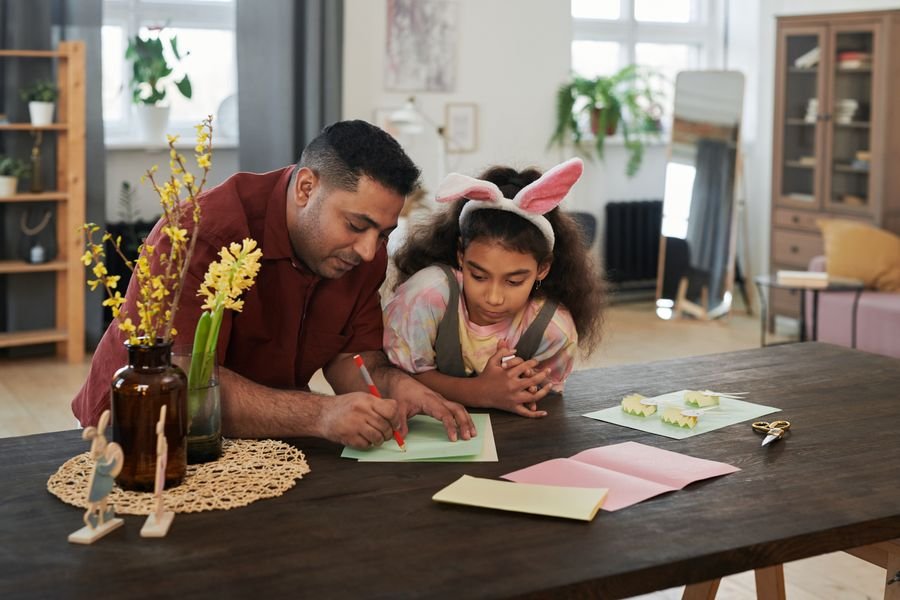
What’s harder to find is something that pulls the whole family away from screens at the same time, not just the kids. An activity where a six-year-old and a forty-year-old can sit at the same table, working on their own small piece of something, without one of them getting bored in ninety seconds. Two quiet, low-cost crafts have been having a moment with families lately for exactly that reason: embroidery and paint-by-numbers. Neither needs a studio, a subscription, or a talent nobody in your house happens to have.
Why Screen-Free Crafting Works for Families
Pediatric guidance has been consistent for years on one point: screens shouldn’t replace hands-on play, physical activity, or face-to-face time with a parent. That’s easier said than done at 5 pm on a Tuesday, which is exactly why so many families are hunting for something that feels like an actual replacement, not another obligation. Nobody’s failing here; they’re just tired and short on options.
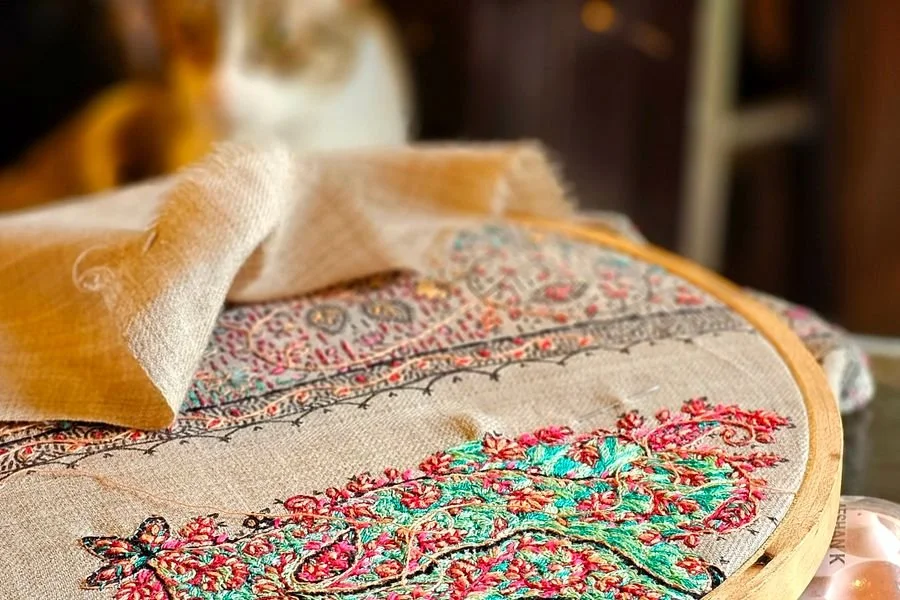
That’s where embroidery earns its spot as a starting point. It’s slow, it’s tactile, and a beginner can produce something that looks finished within an hour. For families who want a guided way in rather than a blank hoop and a vague idea, an embroidery stitch book lays out simple stitches step by step, so a parent isn’t relearning a craft from a decade-old memory while also trying to teach a kid.
The push toward this kind of activity isn’t just a parenting hunch. The American Academy of Pediatrics, recommends no more than an hour a day of high-quality screen content for kids ages 2 to 5, and consistent limits for school-age children, with the priority that screens don’t crowd out sleep, movement, or real conversation.
Embroidery: A Slow Craft That Teaches Patience
credit: pexels.
Embroidery has a rhythm to it that most screen-based activities don’t. You push the needle through, pull the thread taut, and repeat. There’s no notification, no autoplay, nothing pulling your attention sideways. That repetition is exactly why many parents describe it as meditative rather than tedious.
It also scales down easily for kids. A five-year-old can manage a running stitch with a large-eye needle and some supervision. A ten-year-old can usually follow a simple pattern almost independently after the first attempt. And because the projects are small, embroidery travels well; it works on a car ride, at a kitchen table after dinner, or on the porch while dinner cooks on the grill.
What makes it a genuinely shared activity, rather than a parent handing a kid a project to keep them busy, is that everyone works on their own small piece side by side. Nobody has to wait their turn or share a canvas. A parent stitching a simple flower next to a kid stitching wobbly letters isn’t a lesson; it’s just two people doing the same quiet thing together for half an hour.
Paint by Numbers: Turning a Blank Canvas into a Team Project

credit: pexels.
A blank canvas is intimidating for a lot of people, adults included. That’s the real appeal of paint by numbers: it removes the “what do I even draw” problem entirely. The lines are already there. The colors are already assigned. All that’s left is the part most kids actually enjoy, filling in shapes and watching a picture emerge.
That structure also makes it forgiving across a wide age range in a way that free-form painting rarely is. A younger kid can handle the bigger, simpler sections, while a parent or older sibling tackles the fine-detail work on the same canvas. Nobody’s project looks “worse” because the numbers do the composition work for everyone equally.
Families looking to start don’t need to overthink the setup. Picking a design from a set of paint by number sets built for different skill levels means a family can choose something achievable for a first try, then work up to bigger, more detailed canvases as everyone gets more comfortable with a brush. The finished piece tends to end up somewhere visible too, which turns a Tuesday-night activity into something the family actually looks at for months afterward.
Making It a Regular Family Ritual
The families who stick with this longest usually aren’t the ones who buy one kit and hope it becomes a habit on its own. They build a small routine around it. A weekly “craft night,” even just thirty minutes on a Sunday evening, tends to work better than an open-ended “whenever we feel like it” approach, because it removes the decision fatigue of finding a free moment.
A few things make that routine easier to keep:
Let each family member pick the project some weeks, so it doesn’t feel like one person’s hobby imposed on everyone else.
Keep supplies in one accessible bin or drawer, so setup doesn’t become its own barrier.
Display finished pieces somewhere visible, a shelf, a corkboard, a spot on the fridge, so the effort feels acknowledged rather than shoved in a drawer.
This kind of routine works the same way other family bonding habits do. We’ve found that structure matters more than the specific activity in our own piece on creative ways to bond as a bilingual family, where small, repeated rituals did more for connection than occasional big outings ever did.
Screen-Free Doesn’t Mean Boring
credit: Pexels.
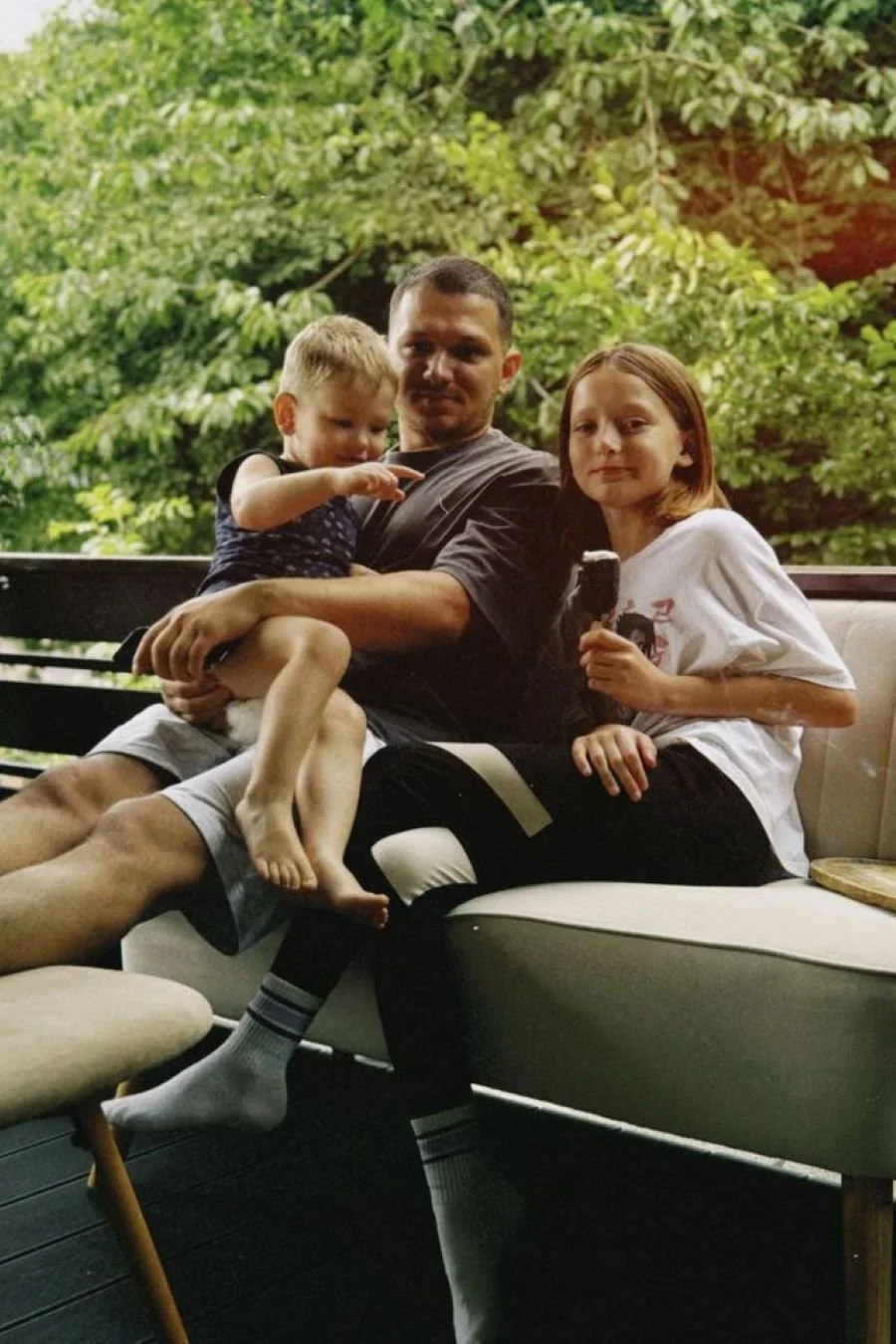
Nobody’s claiming a needle and thread or a paint-by-number canvas will replace every screen in the house, and that’s not really the point. The point is having one or two things in the rotation that don’t involve a battery, that a parent and a kid can sit down and do together without either of them checking a phone.
Small rituals like this add up in ways that are easy to underestimate in the moment. A half-finished embroidery hoop left on the coffee table, a canvas drying on the counter- these become part of a household’s rhythm rather than a special occasion. Give it a few weeks before deciding whether it sticks. Most families find that it does, mostly because it never felt like a chore to begin with.
Disclosure: This is a collaborative post.