Keeping a Second Vehicle? Here's a Reality Check
/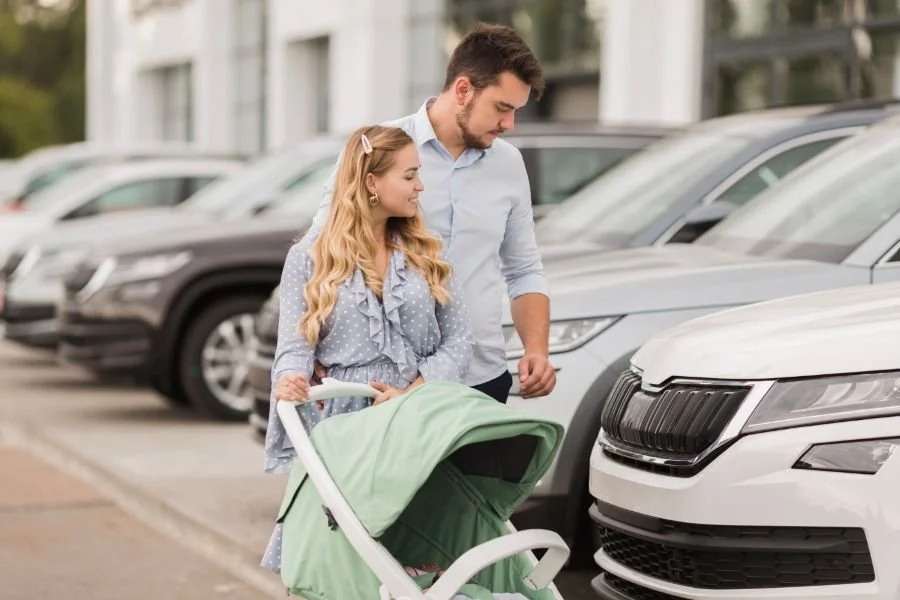
credit: magnific
Keeping a second vehicle can bring a lot of convenience into your life, and you can even tour places such as the UK, Italy and France in something like a camper or touring van. However, things change in life, and where you once needed a second car, maybe you don’t anymore. Additionally, a second vehicle can be a financial black hole, even if it is parked most of the year. From bundling insurance coverage to servicing costs, here are some things to consider.
Consider the Doubling Effect
Of course, having two vehicles means twice the price when it comes to insurance, MOT, servicing and usage. Perhaps you no longer use a second car as much as you used to, and this could mean it is just a drain on your wallet. If you once loved to tour the countryside in a camper, but don’t anymore, you can pass it along or even sell your campervan for some extra cash. This can result in a lighter monthly bill, and you can make someone’s dream come true.
Bundle Coverage when Keeping a Second Vehicle
As you probably know, insurance coverage is almost a scam in many cases. Insurance companies never pay out what they should, and the cost is always going up. However, you can look into bundling the cost of insurance between vehicles if you are finding it hard to pay:
Check that both cars are registered at the same address, then contact your insurer.
Align the renewal dates so policy payments match to make it easier to pay on time.
Select different cover levels based on the needs of each vehicle independently.
Look Out for Rot from Non-Use
When you have a second vehicle, it could be months or even years before you use it again. For example, you may have put off a trip to Europe in your trusted VW. However, in that time, it will have rusted somewhat, collected dirt and grime and even begun to rot in some places. These are added costs that can be pretty pricey when it comes to repairs. In fact, if you have left your second vehicle for quite some time, it might have even become unusable and irreparable.
Rotate Your Driving Days
One of the ways to get around vehicle rot and corrosion from being unused is to rotate usage days. This is a simple little trick that helps keep your vehicles ticking along, even as they age. Like exercise for cars, switching between allows them to stretch their legs, as it were. This prevents moving parts from fusing over time and helps beat corrosion from stagnancy. As you may already know, it is also vital for preventing the battery from draining and dying.
Assess Why Keeping a Second Vehicle is Needed
Choosing the perfect family car is like a rite of passage for many parents and children, and around 34% of UK families have more than one car. However, keeping a second vehicle can become a drain on your finances and might not be worth it in most cases. However, before making a rash decision, it helps to assess the reasons you have a second car in the first place.
Review your daily schedule
It can help to write down the regular trips you and your partner make, and note the days and hours when both of you travel at the same time, then count how many times there is an overlap.
Calculate the total costs
Two cars can cost quite a bit. So, add up insurance costs, taxes and fuel prices. Then estimate how much annual repairs cost and compare this to alternatives such as public transport.
Test alternative transport options
You may not even need a second car at all. To test this, use only one for a month. Alternatively, it can be cheaper to use the bus, and see if changing work hours can help.
Think About Parking the Cars
Parking is becoming something of a nightmare on UK streets these days. Unless you have a massive driveway capable of supporting multiple cars, you can end up paying dearly for your second vehicle. Some UK councils are pretty draconian when it comes to fining you for parking on the street even if it is outside your own home! As such, factor this in when you have a second vehicle, and don’t forget that a car parked in the street is a target for thieves.
Trim Any Excess Coverage
While full insurance coverage is a nice-to-have, it isn’t always necessary. If your second car is more of a runabout for popping to the local convenience store, the chance of something bad happening is pretty low. Therefore, you can consider dropping collision or comprehensive cover on older, low-value vehicles that can easily be replaced. And you never know; if your car is pretty old and getting unreliable, a bit of an accident could actually be doing you a favour!
Keeping a Second Vehicle Has More Servicing Costs
When you have a second car, you are essentially doubling the servicing costs. These can be a major drain on your household finances, and you can find some relief by getting rid of one car. Knowing some reasons why a second vehicle can be a financial black hole makes it easier:
Even if you don’t use a car for a while, fluids must regularly be replaced.
Tires, brakes and wipers will degrade over time even if they are rarely used.
Other parts of the car can fuse, get stuck or corrode, leading to major bills.
Consider the Alternatives
As you already know, even a single car is expensive to run in the UK these days. So a second one can be a massive financial drain. But don’t worry because there are quite a few alternatives to owning a car, especially a second one. For example, you can consider rideshare and public transport. In many cases, the total annual cost of using public transport can be much lower than the cost of a car. Of course, there is a small trade-off in convenience when using PT only.
Summary
There is a doubling effect of costs you need to be aware of when keeping a second vehicle. However, you can assess why you even need one and consider getting rid of it if needed. There are many options that can save money over the year, such as public transport and ridesharing.
Disclosure: This is a collaborative post.