Why Do Modern Travelers Rely on Mobile Apps So Much?
/A few years ago, travelling involved printed tickets, guidebooks, hand-written itineraries, and whatnot. However, today, things have changed drastically. Nowadays, most travellers step out of their homes to travel with one primary tool in their hands: a smartphone. Mobile apps have become the backbone of modern travel, without realising it, as these influence how people plan trips, move between places, manage money, stay safe, and even work while travelling.
This increased reliance on mobile apps isn’t accidental, but a direct response to how travel has evolved with technology. The reliance of travellers on mobile apps is such that mobile apps have become indispensable for modern travellers, and there are various reasons behind it, including some that we have discussed below.
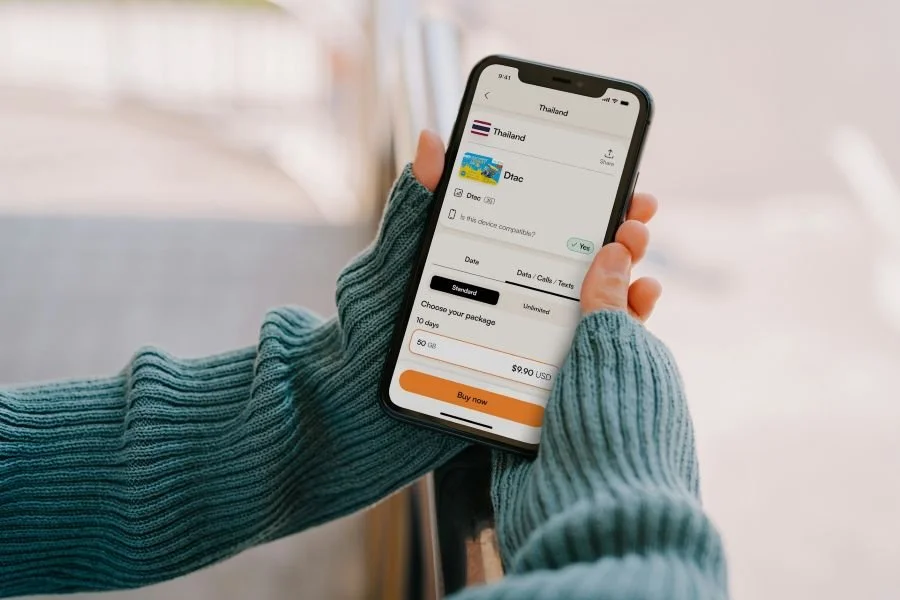
Photo by Airalo on Unsplash
Instant Access to Travel Information
One of the biggest reasons why travellers rely on mobile apps, like UC Browser, so much is that mobile apps provide immediate access to accurate and real-time information regarding flight schedules, gate changes, hotel check-in details, weather updates, traffic conditions, and local advisories. All of this information is available within seconds, and this has eliminated the uncertainty that once defined travellers.
Instead of relying on static and outdated information from travel agents or guidebooks, travellers can now access real-time information and adjust their plans according to changing conditions, delayed flights, road closures, and sudden weather changes.
Simplified Navigation in Unfamiliar Places
Travelling to a new city and getting lost in it used to be a common and stressful part of travel, but navigation apps have reduced this problem dramatically. With GPS-based guidance, travellers can confidently walk, drive, or use public transport even in countries that they have never visited before.
Offline maps, turn-by-turn directions, public transit routes, and estimated travel times offered by apps like Google Maps allow travellers to move efficiently without constantly asking for directions. This type of independence is especially valuable for solo travellers and first-time visitors who want to explore freely without the fear of getting lost.
Easy Booking and Last-Minute Changes
Modern travellers value flexibility a lot, and mobile apps provide travellers with the flexibility that they are looking for. Through mobile apps, you can book flights, hotels, rental cars, buses, and local experiences within minutes, often at competitive prices and discounts. Moreover, these bookings can be modified and cancelled quickly, in case your plans change.
This flexibility is unmatched and wasn’t accessible to travellers before mobile apps. With these apps, travellers no longer need to finalise every detail about their trip weeks in advance. Instead, they can adapt itineraries based on mood, weather, budget, and local recommendations, directly from their phones.
Easy Budget Control and Expense Tracking
Managing expenses while travelling used to be a major concern, particularly for long-term travellers, but not anymore. With mobile apps of today, users can track spending, monitor exchange rates, compare prices, and set daily budgets. These apps provide clear financial visibility and help travellers avoid overspending and make smarter purchasing decisions.
Through mobile apps, travellers can quickly assess whether a taxi, bus, or ride-sharing option is more cost-effective, or whether a certain activity fits within their budget. This type of financial awareness reduces stress and allows travellers to make the most of their trip without exceeding the budget.
Work and Connectivity on the Move
The rise of remote work and the digital nomad lifestyle has blurred the line between travel and professional life. Many travellers are no longer on short vacations but are working while moving across the world, visiting different destinations. All of this has been enabled by mobile apps like Xender app, which support this lifestyle by enabling users to communicate, schedule, share & access files, and manage their productivity.
Moreover, email clients, messaging platforms, task managers, and calendar apps allow travellers to remain professionally active regardless of location. All of these apps have made long-term travel and a digital nomad lifestyle feasible for freelancers, remote employees, and entrepreneurs.
Disclosure: This is a collaborative post.