What Travel Brands Need to Watch This Year
/The travel industry is experiencing unprecedented transformation, and staying ahead of the curve has never been more critical for brands looking to maintain their competitive edge. From emerging technologies to shifting consumer preferences, the landscape is evolving at breakneck speed. Understanding these trends isn't just about keeping up, it's about positioning your brand for long-term success in an increasingly complex marketplace.
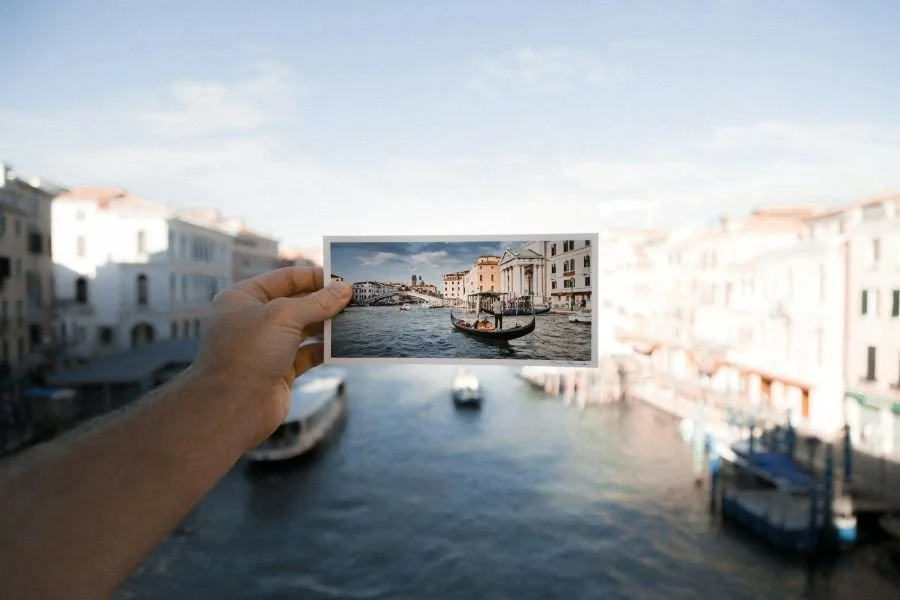
Photo by Jakob Owens on Unsplash
The Rise of Artificial Intelligence in Travel Planning
Artificial intelligence is revolutionizing how travelers research, book, and experience their journeys. Travel brands that haven't yet invested in AI-powered tools are already falling behind competitors who offer personalized recommendations, instant customer service through chatbots, and dynamic pricing algorithms.
The most successful brands are using AI to create hyper-personalized experiences that anticipate traveler needs before they're even expressed. This means analyzing past booking behaviors, browsing patterns, and even social media activity to suggest destinations, accommodations, and experiences that align perfectly with individual preferences.
Smart travel companies are also leveraging AI for operational efficiency, from optimizing flight routes to predicting maintenance needs before problems arise. This technology isn't just a nice-to-have anymore it's becoming essential infrastructure for competitive travel brands.
Sustainability as a Non-Negotiable Priority
Today's travelers, particularly younger generations, are making booking decisions based heavily on environmental impact. Brands that fail to demonstrate genuine commitment to sustainability risk alienating a growing segment of conscious consumers who vote with their wallets.
This goes beyond simple greenwashing or token gestures. Travelers are demanding transparency about carbon footprints, concrete plans for reducing environmental impact, and partnerships with eco-certified properties and operators. The travel industry news today consistently highlights how sustainability initiatives are becoming central to brand identity rather than peripheral marketing messages.
Forward-thinking companies are investing in carbon offset programs, transitioning to renewable energy sources, and redesigning their operations to minimize waste. Those who treat sustainability as an afterthought will find themselves increasingly irrelevant in a market that values environmental responsibility.
The Continued Evolution of Bleisure Travel
The boundaries between business and leisure travel have blurred significantly, creating new opportunities for brands that can cater to this hybrid traveler segment. Remote work capabilities mean professionals are extending business trips to include personal exploration, or choosing destinations where they can work and vacation simultaneously.
Travel brands need to recognize that bleisure travelers have distinct needs that differ from traditional business or leisure segments. They require reliable high-speed internet, comfortable workspaces, and flexible accommodation options that support both productivity and relaxation.
Hotels, airlines, and destination marketing organizations that create packages and experiences specifically designed for bleisure travelers will capture this lucrative and growing market segment. This means rethinking everything from room designs to loyalty program benefits.
Contactless and Seamless Technology Integration
The pandemic accelerated adoption of contactless technologies, and there's no going back. Travelers now expect seamless digital experiences from booking through post-trip follow-up, with minimal friction and maximum convenience.
Mobile check-ins, digital room keys, contactless payments, and app-based service requests have shifted from innovative features to baseline expectations. Brands that still rely heavily on traditional, human-mediated processes are creating unnecessary pain points that drive customers to more tech-savvy competitors.
The key is making technology invisible—integrating it so smoothly into the travel experience that guests barely notice they're using it. The best implementations enhance rather than replace human interaction, freeing staff to provide higher-value personalized service.
Hyper-Local and Authentic Experiences
Mass tourism is losing appeal as travelers increasingly seek authentic, immersive experiences that connect them with local cultures and communities. This represents a significant shift away from checklist-style sightseeing toward meaningful engagement with destinations.
Travel brands that can facilitate these deeper connections—through partnerships with local guides, community-based tourism initiatives, and off-the-beaten-path experiences—will differentiate themselves in a crowded marketplace. This requires genuine relationships with local communities and a commitment to ensuring tourism benefits residents, not just extracting value from destinations.
The most successful brands are becoming curators of authentic experiences rather than simply vendors of standardized packages. They're helping travelers discover hidden gems and participate in local traditions in respectful, sustainable ways.
Even small touches, like gifting a custom tote bag for guests to use while exploring local neighborhood markets, can significantly enhance the feeling of an authentic, community-driven travel experience.
Looking Ahead
The travel brands that thrive in the coming years will be those that embrace change, invest in technology, prioritize sustainability, and remain laser-focused on evolving traveler expectations. Success requires agility, authenticity, and a willingness to reimagine traditional approaches to serving customers.
The stakes are high, but so are the opportunities for brands willing to lead rather than follow. By paying attention to these critical trends and taking decisive action, travel companies can position themselves not just to survive but to flourish in this dynamic new era.
Disclosure: This is a collaborative post.