How to Plan a Trip Across South Korea
/Planning a journey to South Korea can feel overwhelming at first, but with the right approach, you'll discover that this fascinating country offers something for every type of traveler. From the neon-lit streets of Seoul to the serene temples of Gyeongju, South Korea blends ancient traditions with cutting-edge modernity in ways that will surprise and delight you. Whether you're dreaming of sampling street food in bustling markets, hiking scenic mountain trails, or immersing yourself in K-pop culture, proper planning will help you make the most of your adventure.
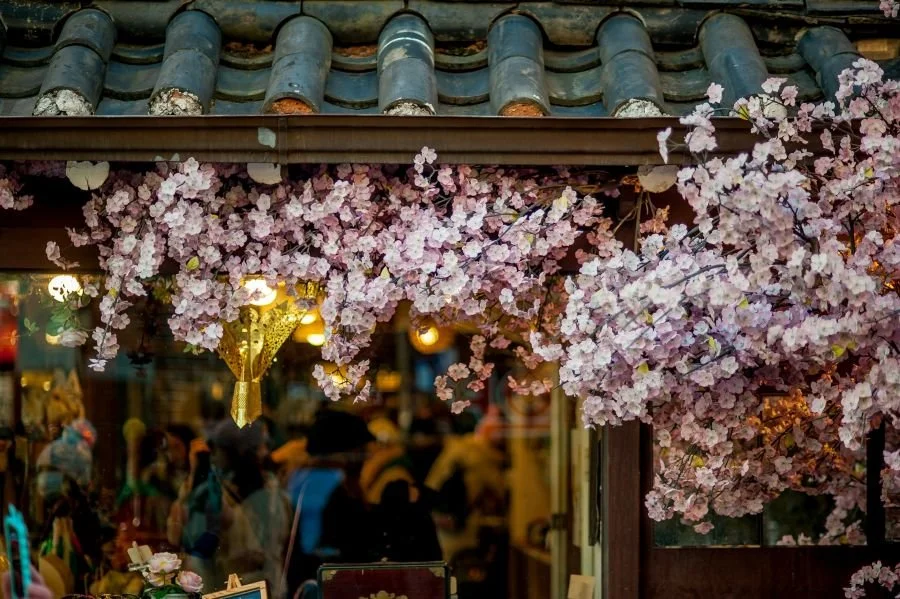
Photo by Timothy Ries on Unsplash
Deciding When to Visit
Timing your trip to South Korea can significantly impact your experience. Spring, particularly late March through May, brings cherry blossoms and mild temperatures that make exploring cities and countryside equally pleasant. Autumn, from September to November, offers stunning foliage and comfortable weather perfect for outdoor activities.
Summer can be hot and humid with a monsoon season in July, but it's also when many festivals take place. Winter brings cold temperatures and occasional snow, creating beautiful landscapes and excellent skiing opportunities. Consider what experiences matter most to you when choosing your travel dates.
Keep in mind that major holidays like Lunar New Year and Chuseok can affect transportation and attraction availability. Many businesses close during these periods, though the cultural celebrations themselves can be fascinating to witness.
Mapping Out Your Route
South Korea's compact size makes it surprisingly easy to cover significant ground in a single trip. Most visitors start in Seoul, the vibrant capital that deserves at least three to four days of exploration. From there, you can venture to nearby destinations like the DMZ or the traditional hanok village of Jeonju.
The high-speed KTX train network connects major cities efficiently, allowing you to reach Busan on the southern coast in under three hours from Seoul. Consider creating a loop itinerary that minimizes backtracking while maximizing your experiences. Popular routes include Seoul to Gyeongju to Busan, or Seoul to Jeonju to Jeju Island.
Don't try to cram too much into your schedule. South Korea rewards deeper exploration rather than rushed visits to countless locations. Spending quality time in fewer places will give you a more authentic feel for Korean culture and lifestyle.
Budgeting for Your Adventure
South Korea falls into the moderate price range for travelers, more affordable than Japan but pricier than Southeast Asian destinations. Accommodation varies widely, from budget guesthouses at twenty dollars per night to luxury hotels exceeding three hundred dollars. Mid-range hotels typically cost between sixty and one hundred dollars nightly.
Food can be remarkably affordable if you eat where locals do. Street food and casual restaurants offer delicious meals for five to ten dollars, while fine dining experiences will cost considerably more. Transportation is efficient and reasonably priced, with subway rides in Seoul costing around one dollar.
Many South Korea tours include accommodation, transportation, and guided experiences, which can offer good value while simplifying logistics for first-time visitors. Budget approximately seventy-five to one hundred fifty dollars per day for a comfortable mid-range experience, excluding flights and shopping.
Handling Practical Preparations
Your passport should be valid for at least six months beyond your planned departure date. Many nationalities, including US, Canadian, and EU citizens, can visit visa-free for up to ninety days. Always verify current requirements before booking.
Download essential apps before arrival, including Naver Map for navigation, Papago for translation, and KakaoTalk for communication. Many Koreans prefer these local apps over international alternatives. Consider getting a portable WiFi device or local SIM card at the airport for constant connectivity. Check out the best eSIM for Korea.
Learn a few basic Korean phrases to enhance your interactions. While English is increasingly common in tourist areas, many locals appreciate visitors who make an effort to speak Korean. Even simple greetings can open doors to warmer exchanges.
Embracing Cultural Experiences
South Korea's cultural richness extends far beyond its famous pop culture exports. Visit ancient palaces in Seoul, participate in a traditional tea ceremony, or spend a night in a temple stay program. These experiences provide insight into Korea's deep historical roots.
Food adventures should rank high on your priority list. Take a cooking class, explore traditional markets, or join a food tour to discover regional specialties. Korean cuisine offers much more than the Korean BBQ and kimchi most foreigners recognize.
Making the Most of Your Journey
Flexibility in your itinerary allows for spontaneous discoveries that often become trip highlights. Leave room for recommendations from locals or fellow travelers you meet along the way. Some of the best experiences come from unplanned detours.
South Korea's excellent infrastructure, rich culture, and welcoming people make it an ideal destination for both first-time Asian travelers and seasoned explorers. With thoughtful planning and an open mind, your Korean adventure will create memories that last long after you return home. Start researching, book your flights, and prepare for an unforgettable journey through one of Asia's most dynamic countries.
Disclosure: This is a collaborative post.