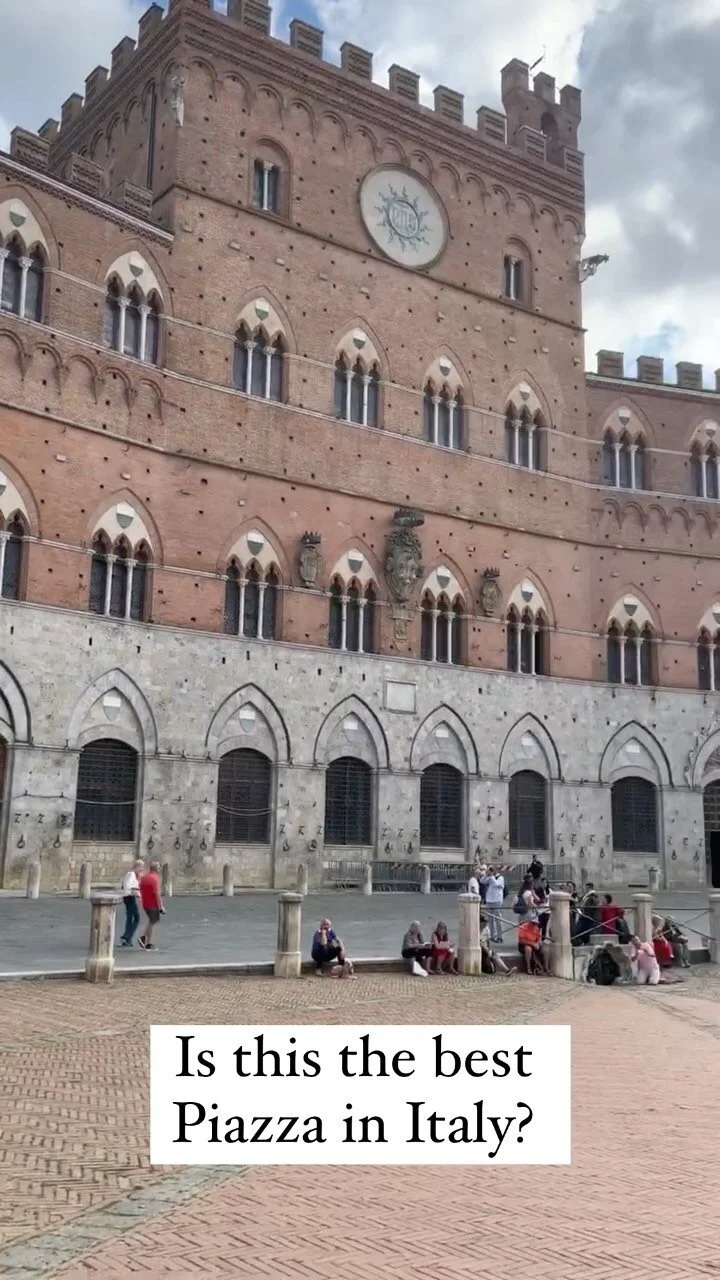
Top Things to Do in Sardinia Italy and Best Beaches
/Sardinia, a region of Italy and Italian island, shares an Italian culture, but one exception is the nuraghi, ancient stone structures. found only on the island.
Italy is a popular tourist destination. Comprised of 20 regions, each has distinctive characteristics drawn from the people who settled and developed each region’s culture. If you're planning to explore beyond Sardinia, discovering more things to do in Italy can help you plan a well-rounded itinerary that includes historic cities, cultural landmarks, and diverse regional experiences. The island of Sardinia (Sardegna in Italian), the second-largest island in the Mediterranean Sea, has magnificent coastlines, a hilly interior, deep valleys, dense forests and rugged mountains and the nuraghi. It makes the perfect place to have a family holiday or the perfect trip for two.
The Nuraghi in Sardinia
During the early Bronze Age, from around 2000 B.C., an ancient civilization settled on an island in the Mediterranean Sea. This ancient culture left its mark on the island with nuraghe (singular, nuraghe)rock formations, carved granite rocks, stone staircases, necropolises, and sacred wells, found throughout the island. The formations are unique and are listed as a UNESCO World Heritage Site. These ancient relics and much more make Sardinia an ideal travel destination.
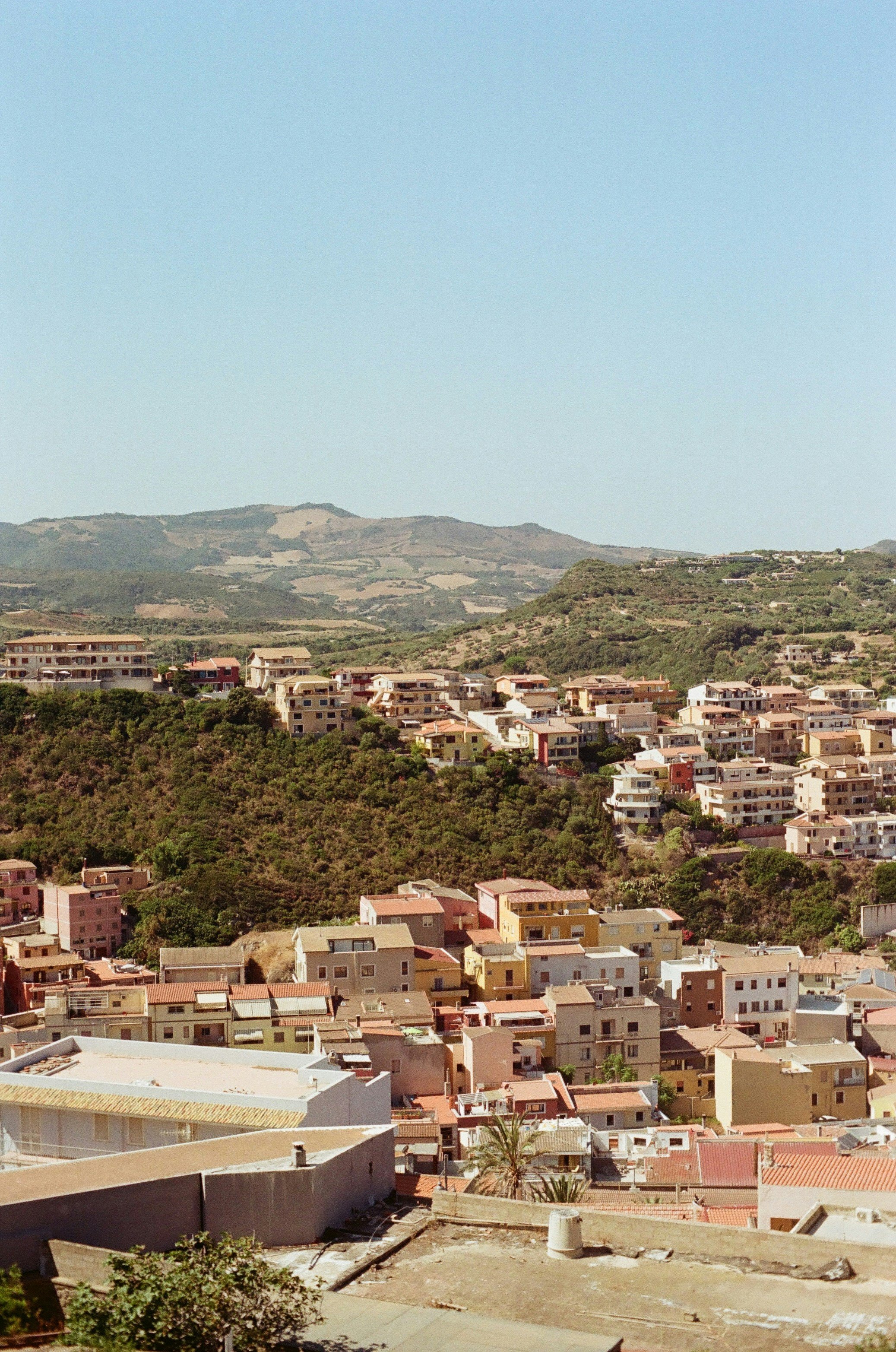
Photo by Oscar Scannell on Unsplash
Travel to Sardinia
At about 120 miles west of Italy, Sardinia is easy to get to with five airports (which connects to many main airports around the world), and six harbors where ferries dock on a regular basis.
Getting around the island is also easy, with trains, motor coaches, and car rentals available; however, caution is advised when driving. The roads include many hairpin turns, construction zones, and very fast Italian drivers, and many gas stations close on Sunday.
The best time to visit is late spring - the best season (May - June) or early autumn (September - October). You'll find the weather is warm but not too hot during this time. Peak season is June, July and August.
Sardinia Accommodations
Accommodations range from five-star hotels to campsites, with bed and breakfasts, agriturismos ‘working farms’ and villas in between. Most facilities have restaurants or offer meals.
Traditional Food and Drink
A wide variety of seafood is available, and vegetables are usually fresh from the garden. Traditional Sardinian foods include malloreddus, small, ridged semolina dumplings flavored with saffron; roast suckling pig; fresh sheep’s cheese, and desserts made with almonds.
Sardinia’s most popular bread is pane carasau, known as carta da musica because the thin crisp sheets resemble old music paper. Local wines are plentiful, but Carignano del Sulcis, available in red and white and one of the first vines to grow on the island is a favorite; and Liquore di Mirto, made from myrtle berries, is the typical liqueur.
For centuries Sardinia has been a nation of shepherds, and away from the coast, it still is. They make many kinds of cheese from sheep and goats' milk. The ricotta is fabulous and is sometimes served as dessert, sprinkled with honey. Fantastic! Roast suckling pig is popular, and seafood salads containing calamari, shrimps etc. are commonly served as a first course. Sardinian wine is good too.
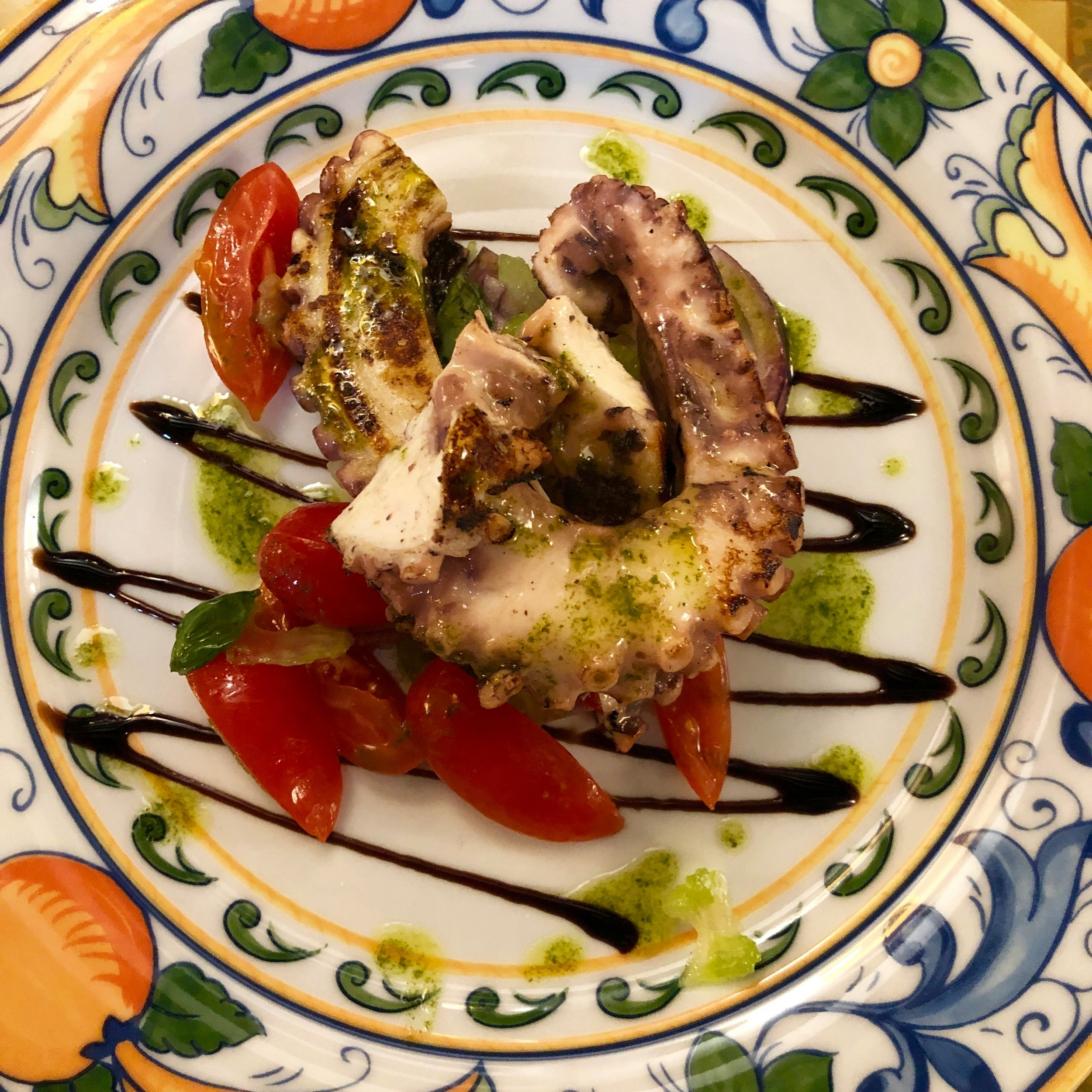
Photo by Nick Fewings on Unsplash
Sardinia Festivals
Attend a festival to learn more about the culture of Sardinia. Regional festivals throughout the year showcase local food, wine, crafts, music, and entertainment, and numerous religious festivities are celebrated with costumed processions, dancing, singing, and traditional foods and ceremonies.
Thermal Baths
A visit to the traditional thermal baths, heated by natural hot springs, is a must. There are several dotted around the island: The Casteldoria river bed; Terme di San Saturnino and Terme di Sardara, to name a few. A great place to go and switch off from the hustle and bustle of the Sardinian cities!
Golden Beaches
So Sardinia is popular for its golden beaches, reasonably priced hotels, and the celebrity party scene. But to see traditional Sardinia and learn about the local culture, you need to leave the Costa Smeralda (The Emerald Coast) and head inland.
The culture
Many different cultures have occupied Sardinia: Greeks, Romans, Arabs, and Spanish, to name a few, many of them bringing poverty and famine to the island. But throughout, Sardinia's history has been closely linked to the shepherd. They can still be seen leading their flocks of sheep around the countryside, fiercely resisting modern ways of milking and cheese-making. Even so, this small island, with more sheep than people, produces almost half of Italy's sheep milk.
Tourism is making slow inroads, and there is much of Sardinia where the old customs and ways of doing still holds.
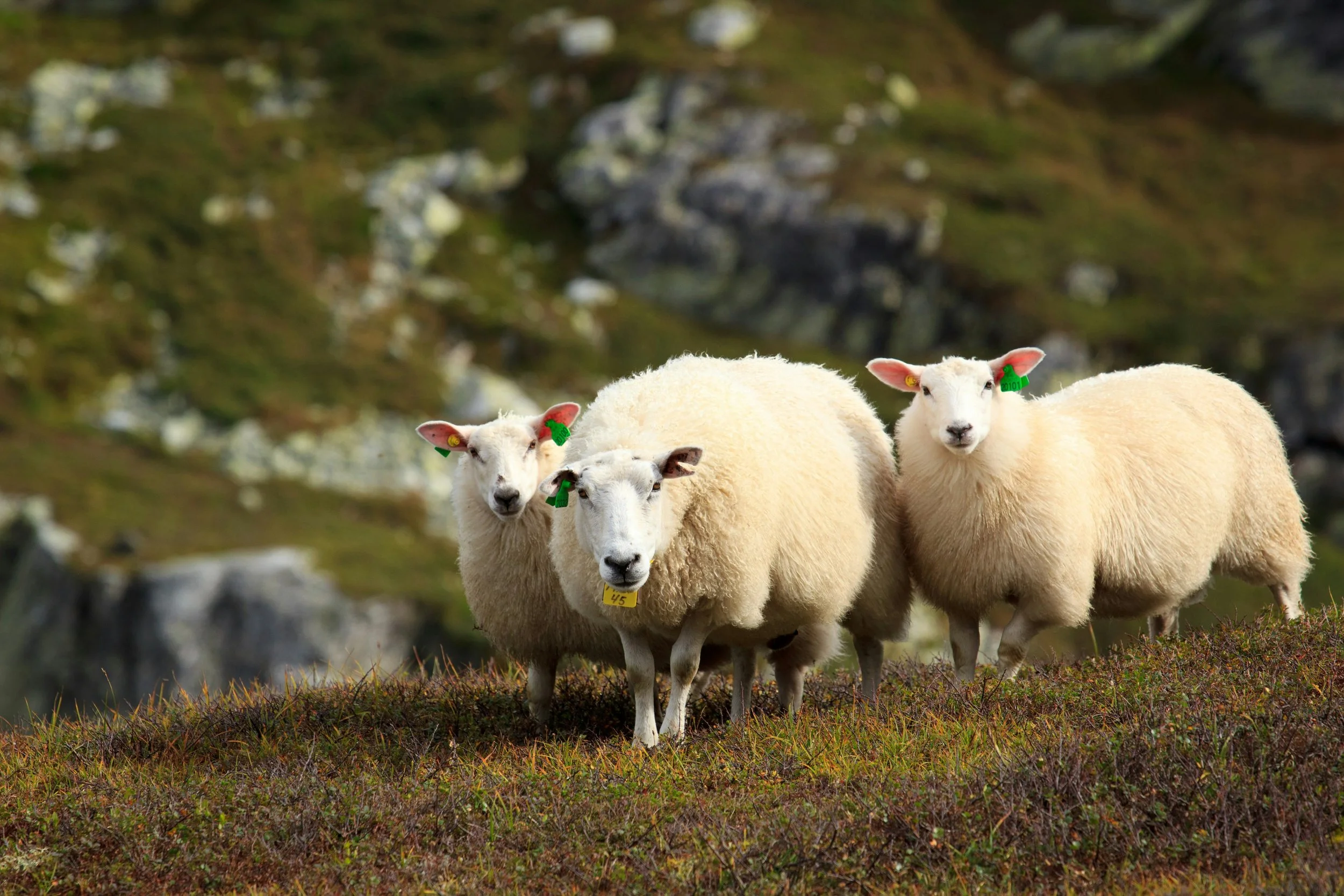
Photo by Frantisek Duris on Unsplash
The Best Places to visit in Sardinia
Sardinia Porto Cervo
The Aga Khan knew he was onto a good thing when he got his eye on Sardinia's Costa Smeralda in the 1960's. He spent millions creating a resort for the rich and famous at Porto Cervo. Too expensive for most pockets but worth exploring if you like to look at shops full of Gucci and Pucci. You don't have to be rich to enjoy a picnic on the beach, so stock up on bread, wine and cheese and share a patch with the jet set. This is where Princess Diana and Dodi spent their last night together before flying off to Paris and the tragedy under the Place d'Alma.
Sardinia The Barbagio
This inland mountainous region is one of the best places in Sardinia to see well-preserved nuraghi - the circular stone towers that first appeared around seven thousand years ago, dotting the landscape like giant beehives. There are about 8000 nuraghi, and they are found only in Sardinia. There are also long stone tombs, which, legend says, is where giants were buried. Some of the tombs are at least 35 feet long and are surrounded by huge Stonehenge-like boulders.
Sardinia Orgosolo
Orgosolo is a small old town in the Barbagio that should not be missed. Almost every wall is covered with brightly painted murals depicting the battles for women's rights, the problems of the shepherds of the region, the demands of the unemployed. And not only local concerns; there are powerful murals protesting the coup in Chile, famine in Africa, the power of crooked landowners, and so on. It's a fascinating place and great for photo opportunities.
Sardinia Nuoro
Nuoro is the main town in this region. It is referred to as the heart of the Barbagia. D.H. Lawrence decided there wasn't much to see in Nuoro, although he did later admit "I am not Baedeker." That was nearly eighty years ago. Today Nuoro is a good spot from which to explore the regions. It has a very good Museum of Folk Costumes, which also so displays the traditional craftsmanship of Sardinia. Nuoro is the birthplace of Grazia Deledda, the first woman to win the Nobel Prize for Literature. She was born in 1871 and wrote close to fifty books; in all of them, Nuoro is at the center.
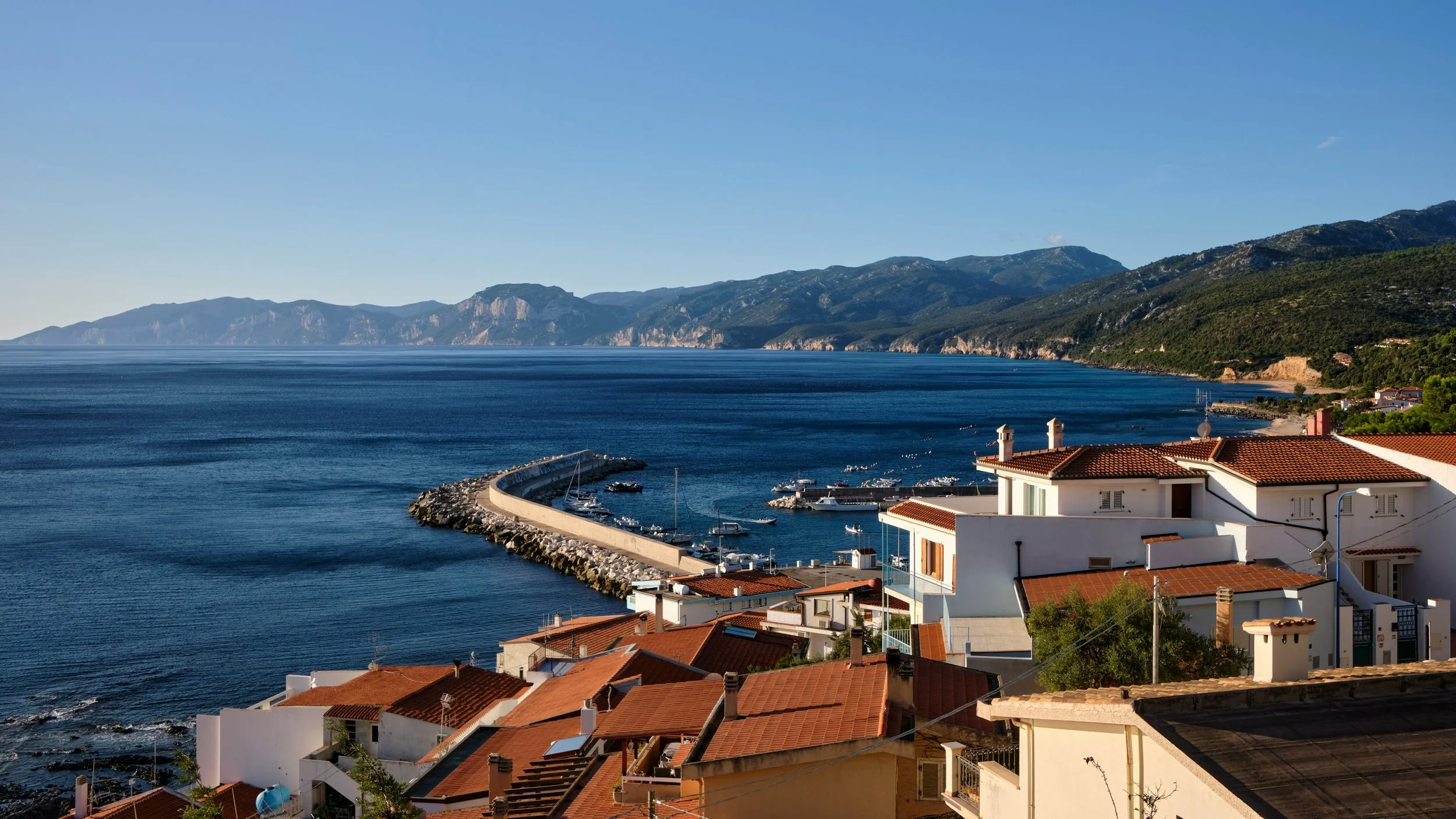
Photo by Christian Keybets on Unsplash
Exploring Sardinia - the best beaches
The Sardinian coastline is full of breathtaking landscapes, with grottos, cliffs, rocky shores, vegetation, marshes, and silken white sandy beaches surrounding the island. On the north coast, known as Costa Smeralda, the northernmost town of Sardinia, Santa Teresa Gallura, has some of the island’s most beautiful beaches. About ten miles to the east is Archipelago della Maddalena and a short ferry ride to Caprera, the final resting place of Giuseppe Garibaldi. Garibaldi fought for Italy’s independence and is an Italian national hero.
Along the east coast, near the Gulf of Orosei, hiking enthusiasts will find Gorroppu Gorge, known as the “Grand Canyon of Europe.” Those not as adventurous will enjoy the beautiful scenery while driving on SS125 (Orientale Sarda). Further south, along with Costa Rei, the 120,000-acre Sette Fratelli Park, with its flora and fauna, and the 3,200-acre Molentargius Park, habitat to almost 200 species of birds, lead to the Sardinian capital of Cagliari.
West of Cagliari, along the southern coast, Grotte Is Zuddas displays unusual shaped stalactites and stalagmites, and up to Costa Verde north to Alghero, Grotta di Nettuno is a short boat trip along the cliffs of Capo Caccia … or a 40-minute drive to the lighthouse and then down 656 steps.
Sardinia is renowned for its stunning beaches. Here's our list of some of the best beaches on the island:
- note that some of these may be a short walk from any parking place, so best to do your own research beforehand.
La Pelosa Beach (Stintino)
Located in the northwest, La Pelosa Beach is famous for its crystal-clear, shallow waters and fine white sand. The beach offers breathtaking views of the Asinara Island and is protected from the open sea by the Pelosa Tower.
Cala Mariolu (Baunei)
Situated on the eastern coast, Cala Mariolu is known for its unique mix of white pebbles and sand. The turquoise waters and impressive rock formations make it a popular spot for snorkeling and diving.
Spiaggia di Tuerredda (Teulada)
Located in the southwest, Tuerredda Beach is often compared to Caribbean beaches due to its soft sand and clear blue waters. It's perfect for swimming and has a picturesque islet just offshore.
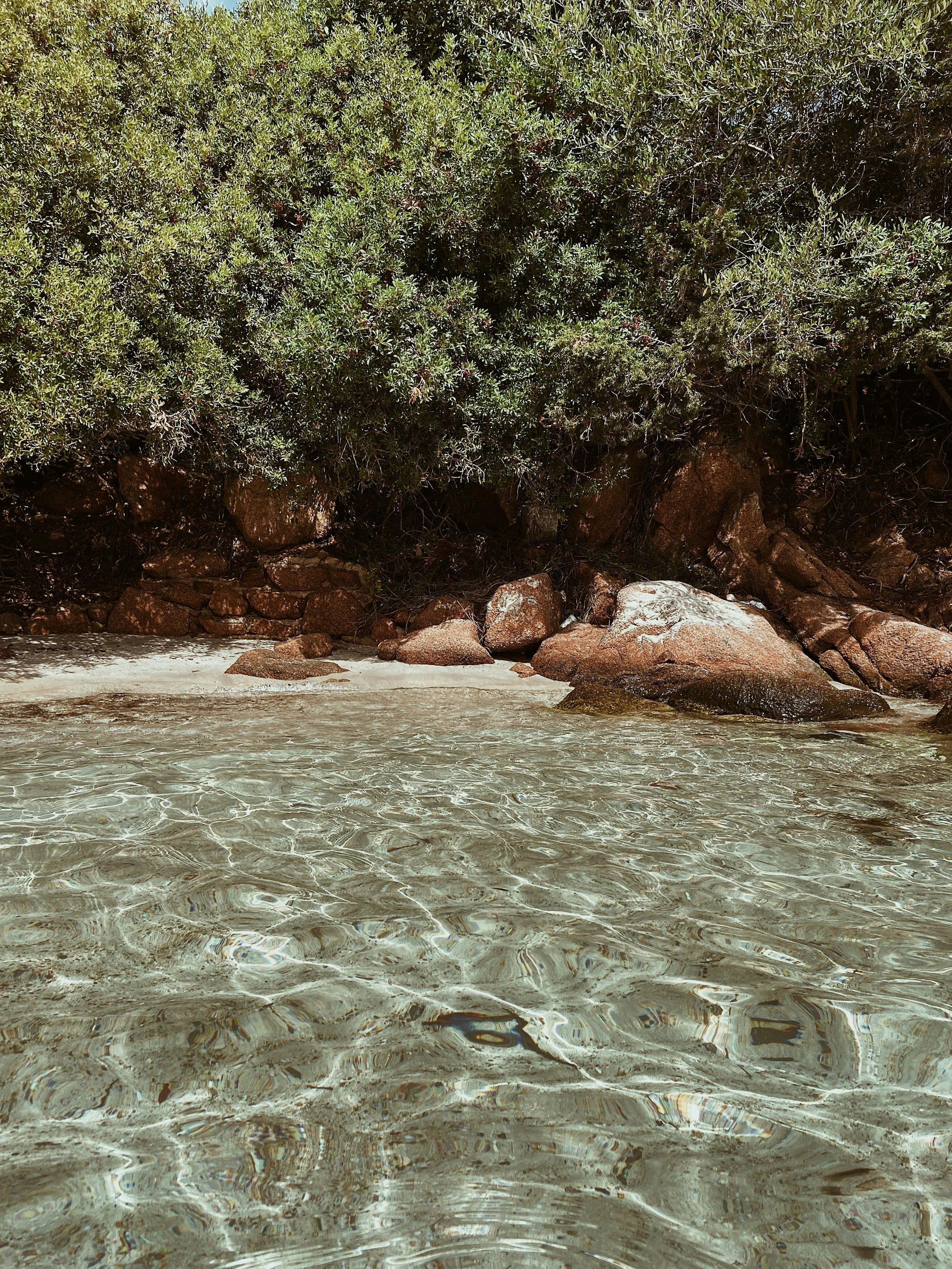
Photo by Sara Darcaj on Unsplash
Cala Brandinchi (San Teodoro)
Often called "Little Tahiti," this beach is famous for its shallow, calm waters and fine white sand. The pine forest backdrop adds to its charm, making it a favorite among families.
Spiaggia di Chia (Chia)
Situated in southern Sardinia, Chia Beach boasts golden sands and crystal-clear waters. It’s known for its dunes and lagoon, where you can often spot pink flamingos.
Cala Goloritzé (Baunei)
This beach is a natural monument, accessible by boat or a challenging hike. It's famous for its distinctive rock arch and pinnacle, as well as its incredibly clear waters. Full of natural beauty.
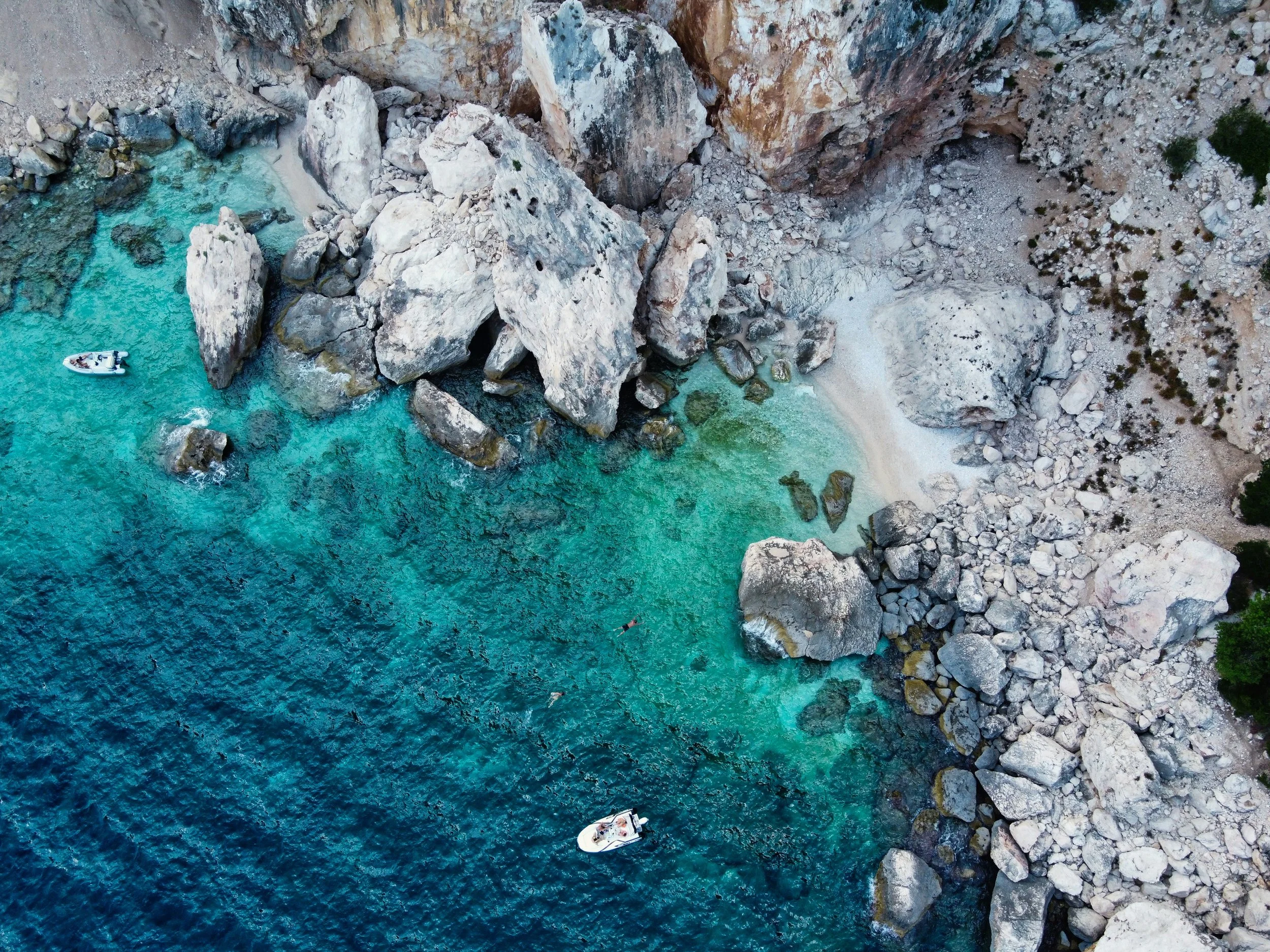
Photo by Luca Cassani on Unsplash
Porto Giunco (Villasimius)
Located in the southeast, Porto Giunco Beach is known for its long stretch of fine sand and the saltwater lagoon behind it, where flamingos can often be seen. The waters are calm and ideal for swimming.
Costa Rei (Muravera)
This long, sandy beach on the southeast coast is known for its beautiful scenery and clear waters. It's a great spot for water sports and has many amenities nearby.
Spiaggia del Principe (Arzachena)
Named after Prince Karim Aga Khan, this beach in the Costa Smeralda area is known for its fine sand and stunning emerald waters. It's surrounded by rugged rocks and Mediterranean scrub.
Cala Luna (Gulf of Orosei)
This picturesque beach is accessible by boat or a scenic hike. It's known for its half-moon shape, caves, and clear waters, making it a popular spot for adventurous visitors.
Spiaggia Rena Bianca
Located North of Sardinia in the charming town of Santa Teresa Di Gallura, this beach has white sand and turquoise waters surrounded by cliffs and hills.
These beaches offer a mix of serene beauty, white sand beaches, clear waters, and unique natural features, making Sardinia a top destination for beach lovers.