Surprising Pompeii Facts for Kids: History Homework
/Surprising Pompeii Facts for Kids: History Homework
In 79 AD, in Southern Italy, the volcano Vesuvius erupted, drowning the city of Pompeii in ten feet of falling ash (pyroclastic flow) and lapilli (droplets of molten lava). This preserved the city, everything from the largest structures to graffiti to pieces of bread in an oven remained relatively intact. It was rediscovered in 1592 and has provided a wealth of knowledge regarding the day-to-day lives of the Romans. Ever since It has become a recognised UNESCO World Heritage site.
The Porta Marina
The Porta Marina will be the first thing you see when visiting, as it is the main entrance to the Pompeii excavations. There are two archways here one was used for pedestrian traffic, another for animals.
The Forum
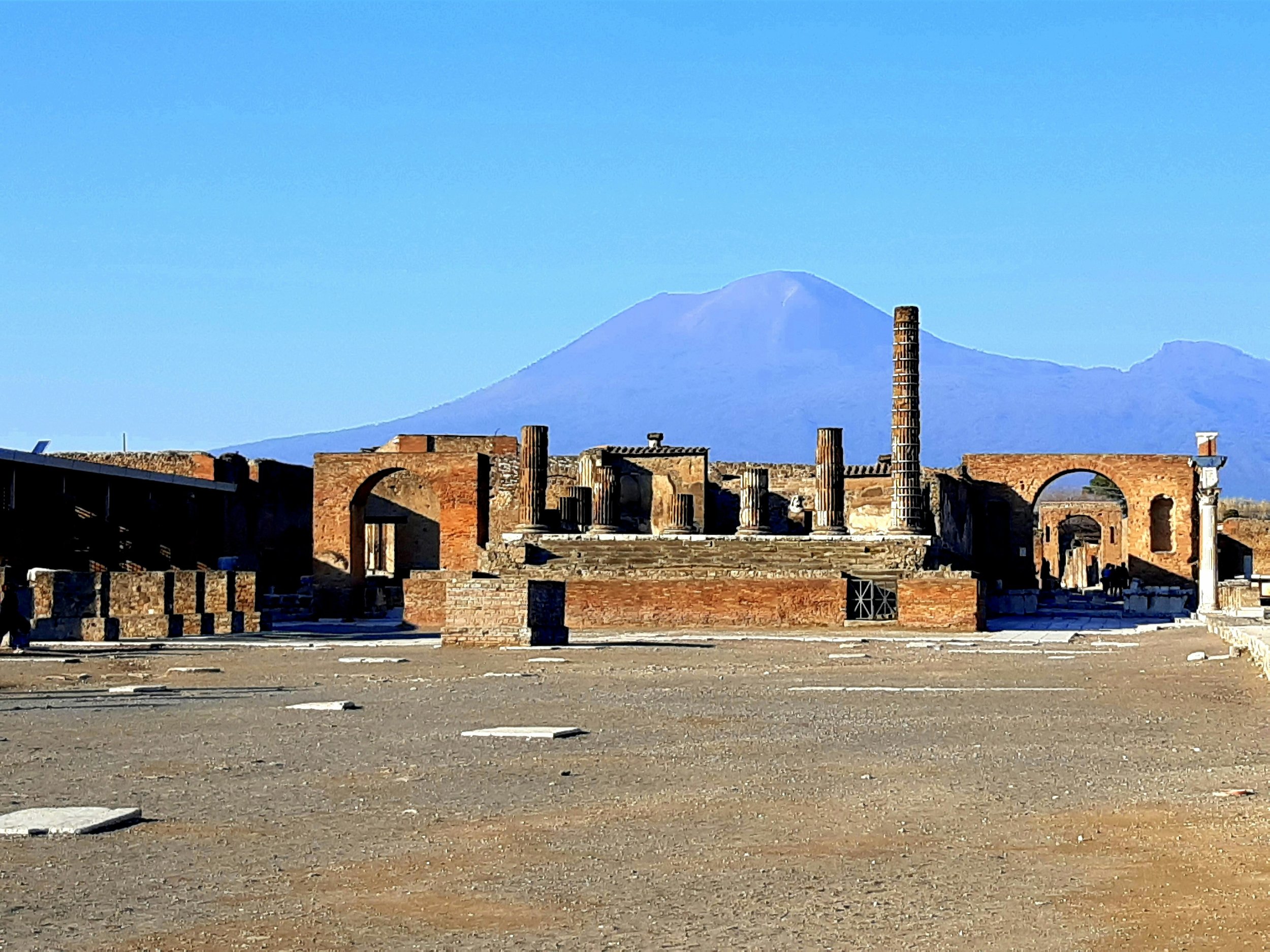
The Forum was the center of life in the town of Pompeii. It was here that political, economic, and religious life converged. It is surrounded on three sides by a colonnade. The basilica was a monumental building that was likely constructed in 2 BC. The Temple of Apollo dates back to 6 AD, and its original statues are now housed in a museum in Naples.
The Temple of Jupiter
The Temple of Jupiter was the main religious center, as it was built in honor of one of the highest divinities in ancient times. From here, you get a spectacular view of Mount Vesuvius, which is still an active volcano.
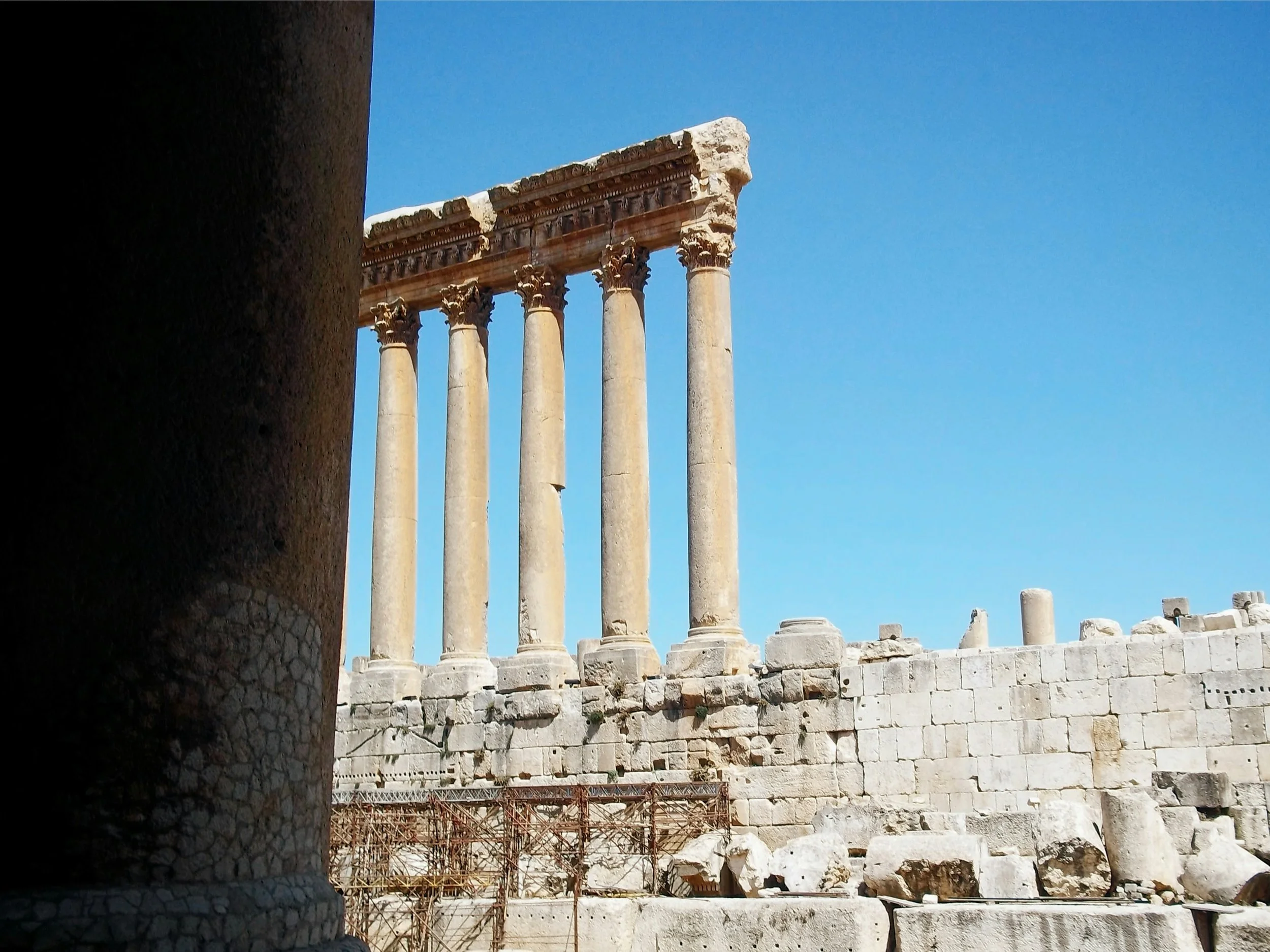
Photo by Fred Nassar on Unsplash
The Correa and Forum Olitorium
The Horrea and Forum Olitorium were storerooms for food and now are used to house the numerous artifacts found at the site, including the casts of a few human bodies, victims of the volcano eruption, one of which is a dog.
The Macellum
The Macellum was the market, and here you can see the entrances to various shops. There were many kinds of shops and market stalls in Roman times. There were even stores that kept the food hot for people to eat on the go the Roman equivalent of fast food!
The Via Dell’Abbondanza
The Via dell’Abbondanza was the main street in Pompeii, and a walk along here reveals sidewalks, pedestrian crossings, and various Roman homes. A large number of the homes were shops on the first floor, with dwellings on the second floor. There are fountains all along the roads in Pompeii, each with a different “mouth’ from which the water flowed.
House of the wild boar
One house of particular note is the House of the Wild Boar, with its largely intact mosaic floor depicting the hunt of a boar by dogs (hence the name).
Fun facts about Pompeii for kids which might help with your homework are:
Ancient City
Pompeii was an ancient Roman city located near modern Naples in Italy. It was a bustling town (ruled by the Roman Empire), with many homes, shops, and public buildings. It is considered one of the most dangerous volcanoes in the world with the City of Naples and surrounding towns at risk if there was to be another eruption of Mount Vesuvius.
Mount Vesuvius Eruption
On the fateful day of August 24th, In 79 AD, Mount Vesuvias, a nearby volcano, erupted and covered Pompeii in ash and pumice. This sudden disaster preserved the city exactly as it was almost 2,000 years ago.
Frozen in Time
The volcanic ash buried Pompeii so quickly that it preserved buildings, streets, and even people in their last moments. Archaeologists have found many artifacts in the ruins of Pompeii that give us a glimpse into Roman life in ancient Rome.
Rediscovery
Pompeii was lost for about 1,500 years until it was accidentally rediscovered in 1599. Extensive excavation sites began in the 18th century, revealing the city's well-preserved ruins.
Tourist Attraction
Today, Pompeii is one of Italy’s most famous tourist sites. Visitors can walk through the ancient streets, see the remains of homes and public spaces, and learn about Roman history, the people of Pompeii and everyday life in ancient Rome.
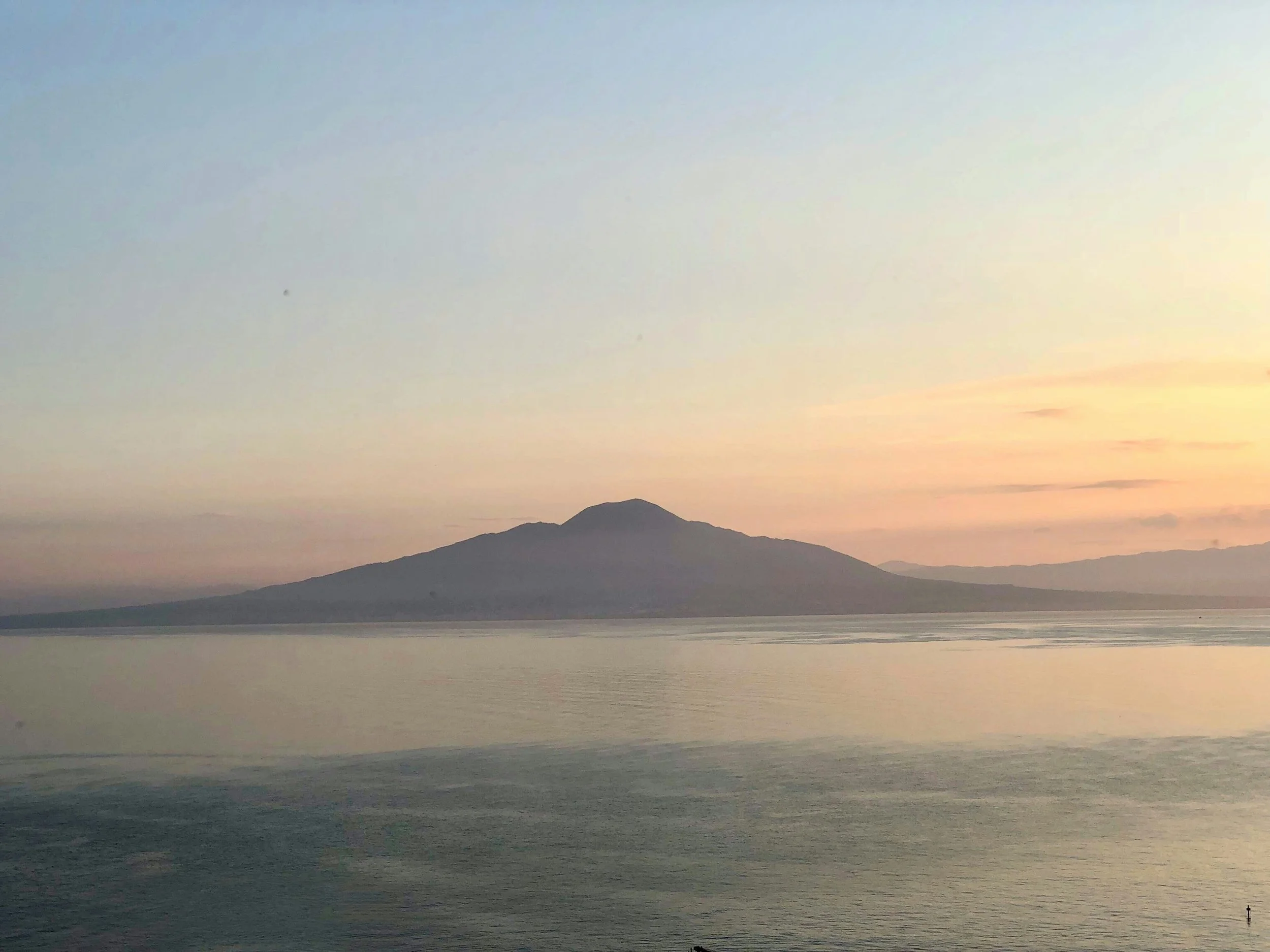
Photo by Belinda Fewings on Unsplash
Graffiti
The walls of Pompeii are covered with ancient graffiti! People wrote messages, advertisements, political slogans, and even love notes. This gives us a unique look at the everyday thoughts and lives of the people who lived there.
Amphitheater
Pompeii had its own amphitheater, similar to the Colosseum in Rome. It could hold about 20,000 spectators and was used for gladiator fights and other public events.
Well-Planned City
Pompeii was a well-planned city with streets laid out in a grid pattern. It had a complex water system, including aqueducts, public baths, and fountains, showing the advanced engineering skills of the Romans.
Mosaics and Frescoes
Many homes in Pompeii were decorated with beautiful mosaics and frescoes (wall paintings). These artworks often depicted scenes from mythology, nature, and daily life, and they have been remarkably well-preserved by the tons of ash.
Bakeries
Archaeologists discovered several bakeries in Pompeii, complete with mills for grinding grain and ovens for baking bread. They even found loaves of bread that had been baking in the ovens when the volcanic eruption occurred, as well as a 2,000 year old bottle of olive oil which has become solidified!
The Giant’s valley
The volcano Vesuvius has a semicircular ridge called Mount Somma (1,132 m). The valley it sits in is called the Valle Del Gigante (Giant's Valley).
These facts make Pompeii a fascinating window into Roman times for people of all ages!