Scenic European Motorbike Routes: Planning Your Itinerary, Safety, and Travel Protection
/
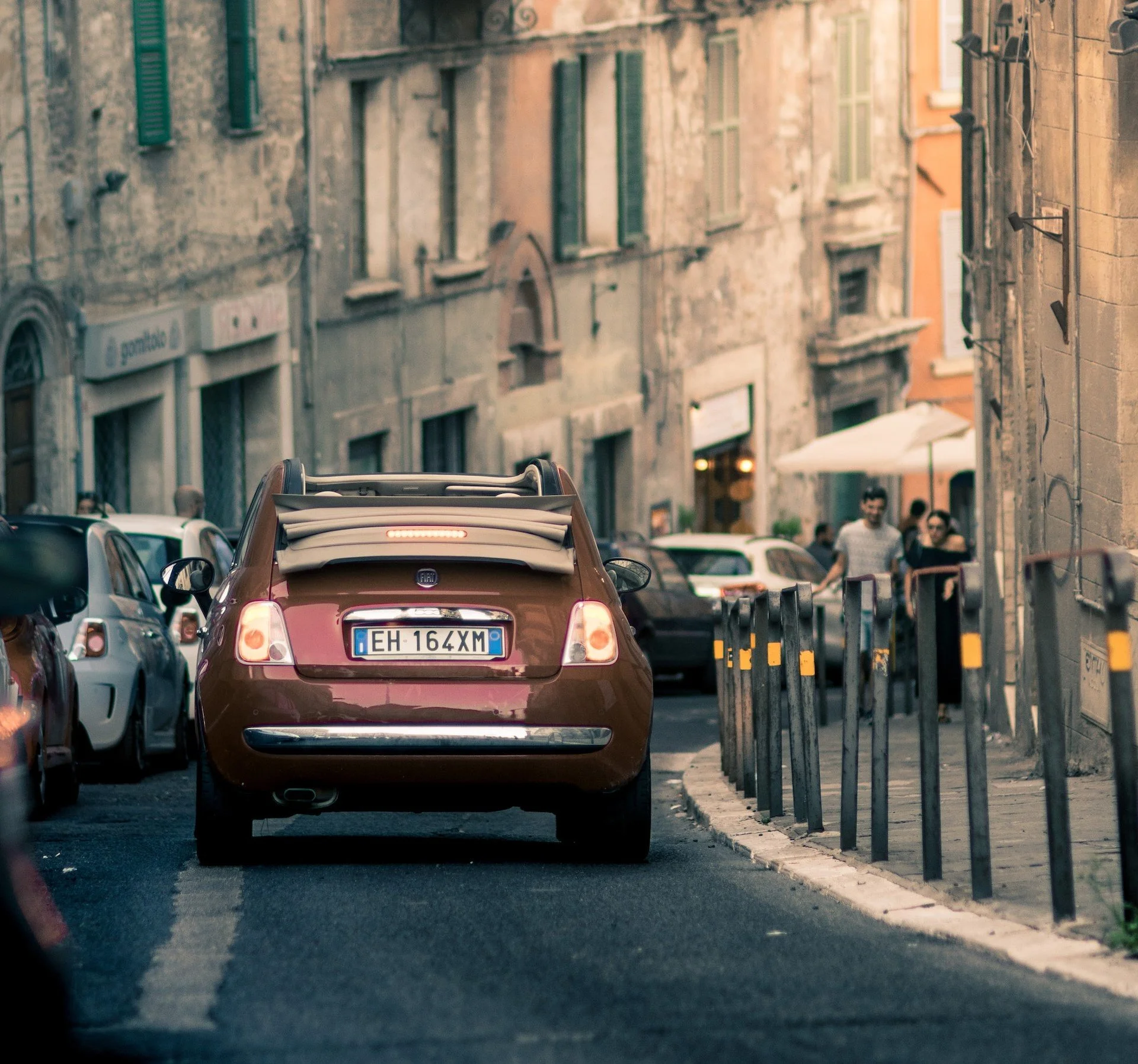
credit: unsplash.
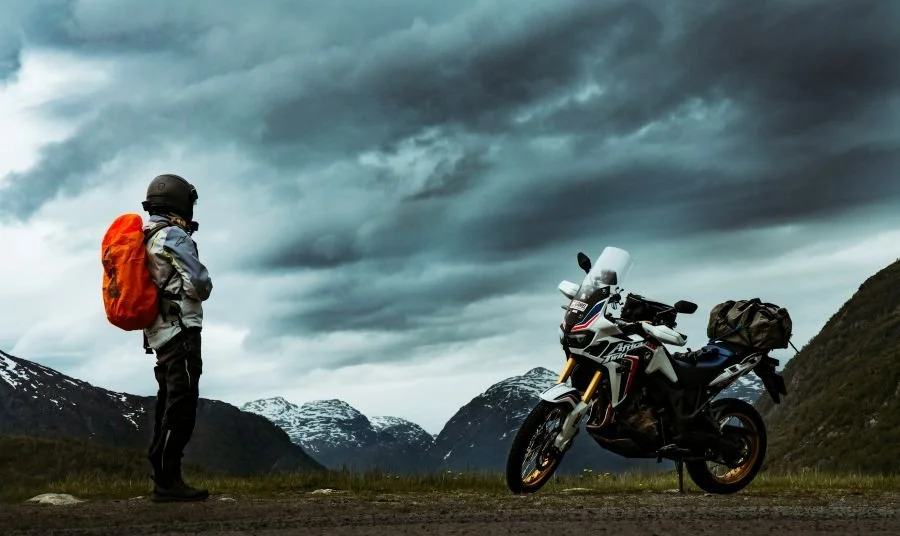
There's a special kind of freedom that comes with exploring Europe on two wheels. The open road, the changing landscapes, and the chance to stop wherever your curiosity takes you create an unforgettable travel experience. Whether you're winding through the Swiss Alps or cruising the sun-drenched coastal roads of Italy, a motorbike tour connects you to your surroundings in a way a plane or train just can't.
Planning an adventure like this might seem huge at first, but it's really about breaking it down into smaller steps. With the right preparation, you can make sure your trip is smooth, safe, and everything you dreamed it would be. This guide will help you pick your route, get your documents ready, and prepare for the ride of a lifetime.
Picking Your Perfect European Route
The first and most exciting part of planning is figuring out where to go. Europe is packed with incredible roads, so your main challenge will be narrowing down the options. Think about the kind of scenery and experience you're after. Do you picture dramatic mountain passes, rolling countryside, or coastal views? How much time do you have, and what's a realistic distance to cover each day? A comfortable pace is usually around 150-250 miles per day. That leaves plenty of time for sightseeing, long lunches, and unexpected detours.
Here are some classic routes to get you started:
The Grossglockner High Alpine Road, Austria: A bucket-list ride for many, this toll road offers 48 kilometers of hairpin turns and breathtaking glacier views.
The Amalfi Coast, Italy: This famous stretch of coastline is challenging but rewards you with stunning Mediterranean vistas and charming seaside towns.
The North Coast 500, Scotland: A wild and rugged route that showcases the best of the Scottish Highlands, from ancient castles to dramatic sea lochs.
The Transfăgărășan, Romania: Often called one of the best driving roads in the world, this military-built route winds through the Carpathian Mountains.
Once you have a general idea, it's time to get specific. A good motorcycle route planner can help you map out your daily rides, find biker-friendly places to stay, and discover hidden gems along the way. Make sure to build in rest days. This helps avoid fatigue and gives you time to explore key spots off the bike.
Essential Paperwork and Protection
Before you can hit the road, you need to make sure all your paperwork is in order. Getting this sorted well in advance will save you a lot of stress. You'll need your passport, driver's license, and the vehicle's registration document. It's also smart to check if you need an International Driving Permit (IDP) for any of the countries on your itinerary. An IDP is an official translation of your license and is required in some European nations.
Just as important is making sure you have the right protection. Your usual domestic policy might not cover you enough for a long European tour, so it's crucial to check the details. When you're far from home, you want to know you're covered for breakdowns, accidents, or theft. Looking into a policy like Swinton Bike Insurance can provide the necessary coverage and support for European travel, giving you one less thing to worry about. Make sure your policy includes roadside assistance and repatriation for both you and your motorcycle. Keep printed copies of all your documents in a waterproof bag, and save digital copies to your phone or a cloud service as a backup. Proper preparation is key when it comes to planning a motorcycle trip and ensures you can handle any situation that arises.
Packing Smart for the Road
Packing for a motorbike trip is an art. Space is limited, so every item needs to earn its place. The key is to pack in layers and choose versatile, high-quality gear. Start with your riding gear: a comfortable and protective helmet, jacket, trousers, gloves, and boots are essential. Even if you're heading for sunny climates, always pack waterproof outer layers. A sudden downpour in the mountains can happen anytime, and being cold and wet is a quick way to ruin a day's ride.
For your off-bike clothes, think light and versatile. A few t-shirts, a pair of comfortable trousers or jeans, and one warmer layer like a fleece or hoodie should be enough. Choose fabrics that dry quickly and don't wrinkle easily. Rolling your clothes instead of folding them can save a surprising amount of space in your panniers or tail bag. Don't forget a basic toolkit for minor adjustments, a tire repair kit, and a first-aid kit. Other essentials include a portable power bank for your devices, a good quality lock for security, and any personal medications you need. It’s always a good idea to read up on general advice for motorcycle touring in Europe to see what experienced riders recommend.
On-the-Road Safety and Etiquette
Riding in a foreign country is an adventure, but it also means you need to be extra aware. Traffic laws, road signs, and general driving culture can be very different from one country to another. For example, some countries require you to carry a high-visibility vest and a breathalyzer kit. Research the specific rules for every country on your route before you go. Remember that in mainland Europe, you'll be riding on the right side of the road, which can take some getting used to.
Pay close attention to speed limits. They often change as you move from motorways to rural roads or enter towns. Be especially cautious on mountain passes, where roads can be narrow, corners can be blind, and weather can change in an instant. It's also important to manage your own energy. Long days in the saddle can be tiring, so take regular breaks to stretch, hydrate, and eat. Don't push yourself to cover more miles than you're comfortable with. Part of the joy of a road trip is the journey itself, not just reaching the destination. Finally, be a courteous rider. A friendly wave to other bikers is a universal sign of camaraderie on the road.
Making the Most of Your Journey
A European motorbike trip is more than just riding; it's about the experiences you have along the way. While it's great to have a plan, don't be afraid to change it. If you see an interesting-looking side road, a sign for a local festival, or a charming village that isn't in your guidebook, go explore. Some of the best memories are made during these spontaneous moments.
Engage with the local culture. Try the regional food, practice a few words of the local language, and chat with people you meet. You'll find that the motorcycle often acts as a great icebreaker. People are often curious about your journey and happy to share tips or stories of their own. Take plenty of photos, but also remember to put the camera away and simply be present in the moment. Feel the sun on your face, smell the pine trees in the forest, and listen to the sounds of the countryside.
This is your adventure. Plan well, ride safely, and embrace the freedom of the open road. The memories you make will last a lifetime.
Disclosure: This is a collaborative post.