How to explore rural Italy
/Europe has no shortage of incredible travel destinations, and Italy has more than its fair share. Ancient Rome with access to Vatican City, the floating city of Venice, Sicily with Mount Etna – Europe’s highest volcano – and the crowning Lakes, to name but a few.
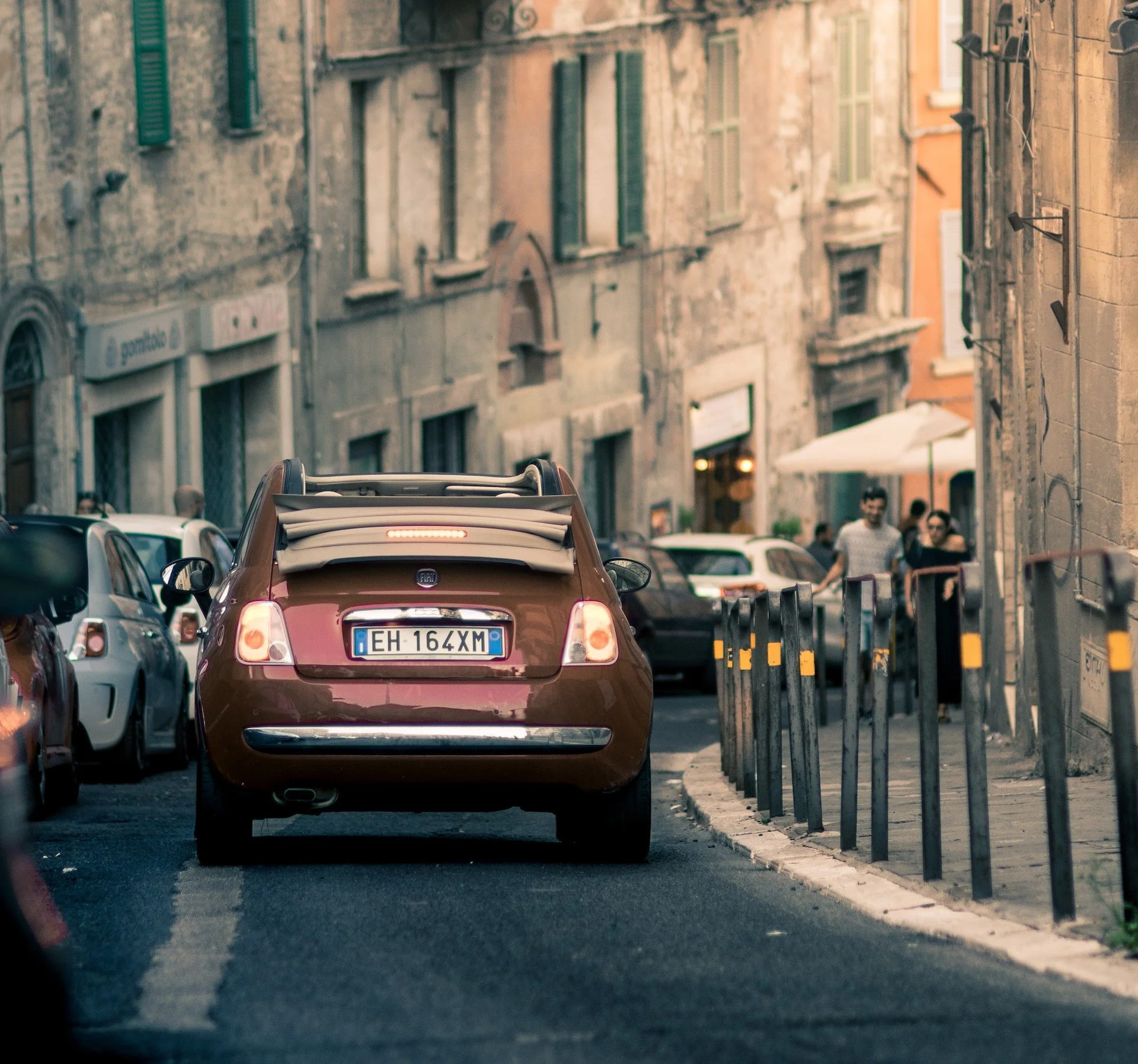
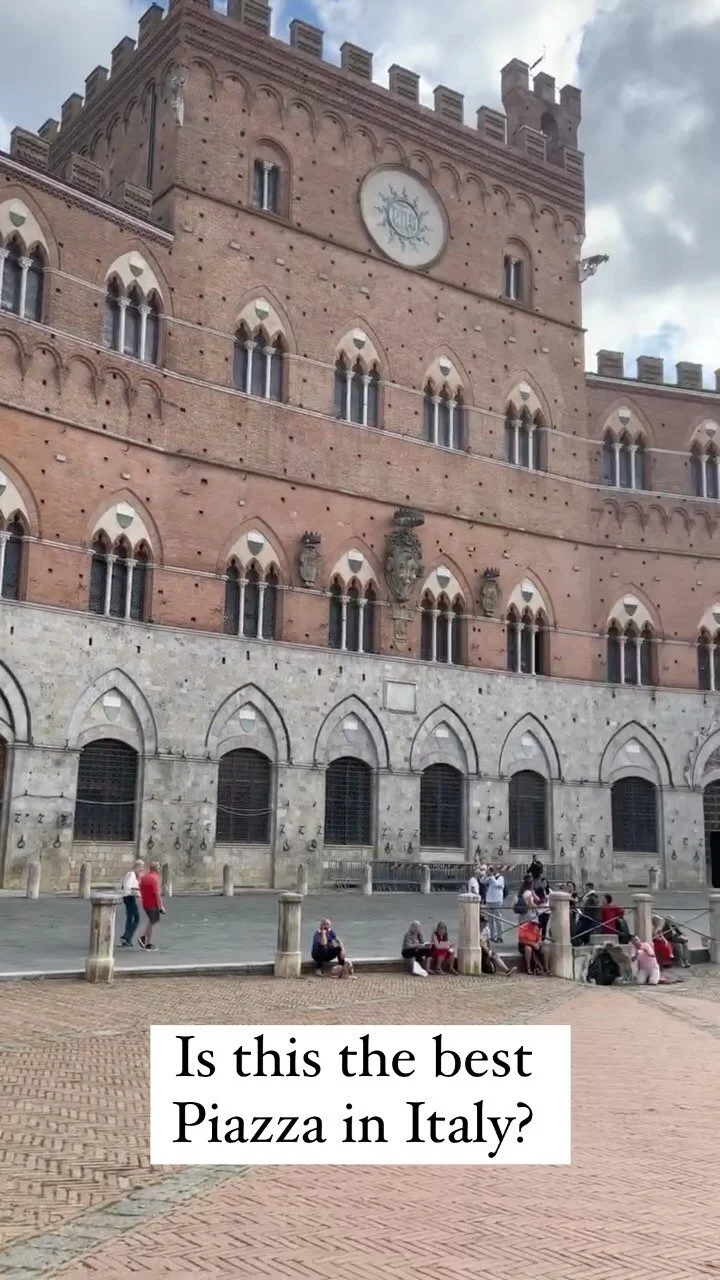
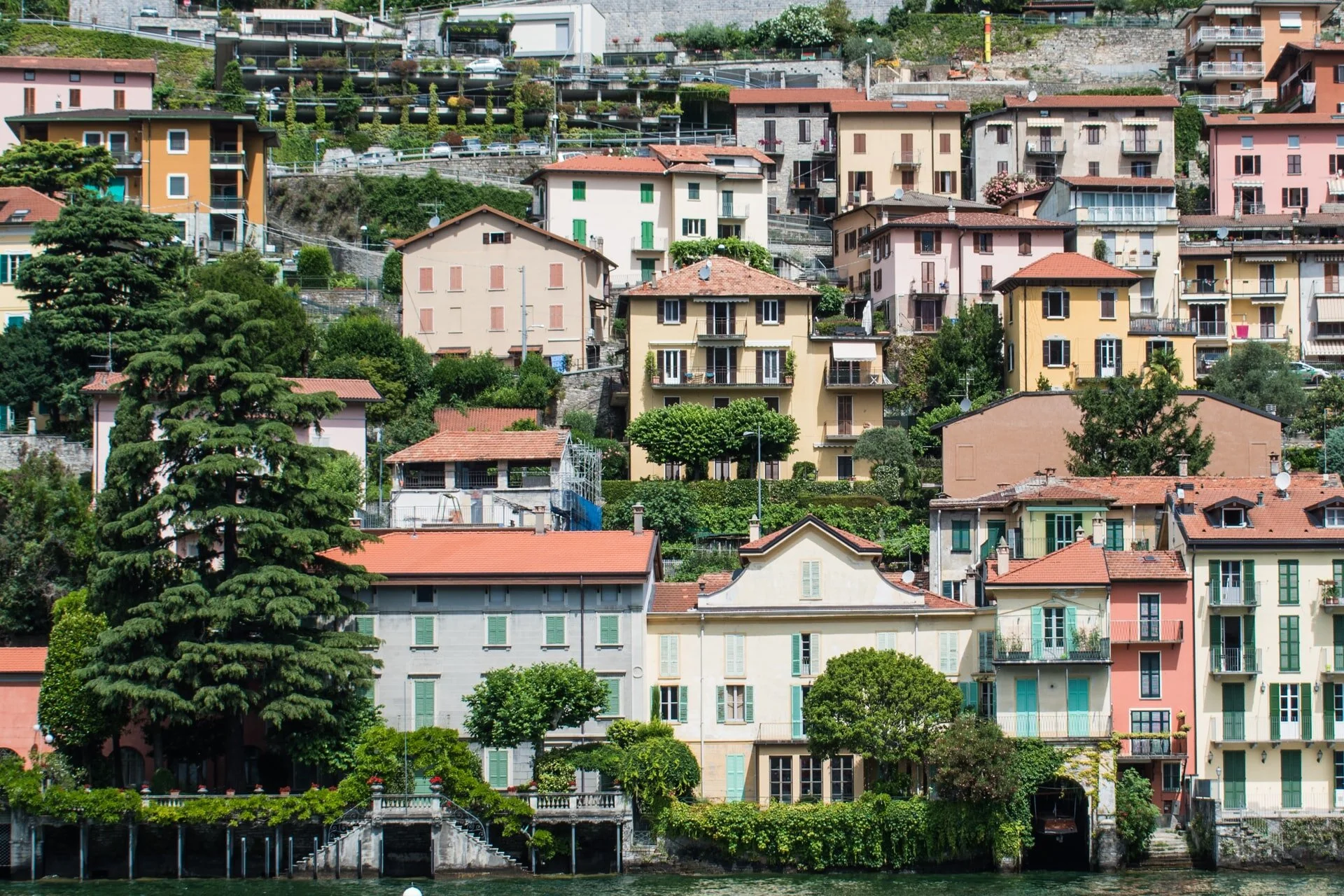
Beyond Italy's most popular spots, you'll find a quieter side to the country. Picture olive groves stretching across the hills, medieval villages where neighbours stop to chat in the square and family-run trattorias serving recipes handed down through the generations.
Rural Italy offers a different pace of travel, giving you more time to appreciate the distinctions between the regions and how they combine to create Italy’s rich, varied culture. Here’s how to have a relaxed and fulfilling Italian holiday away from the crowds.
1. Choosing your destination
Italy's rural regions offer different experiences, so your ideal destination depends on how you enjoy spending your time.
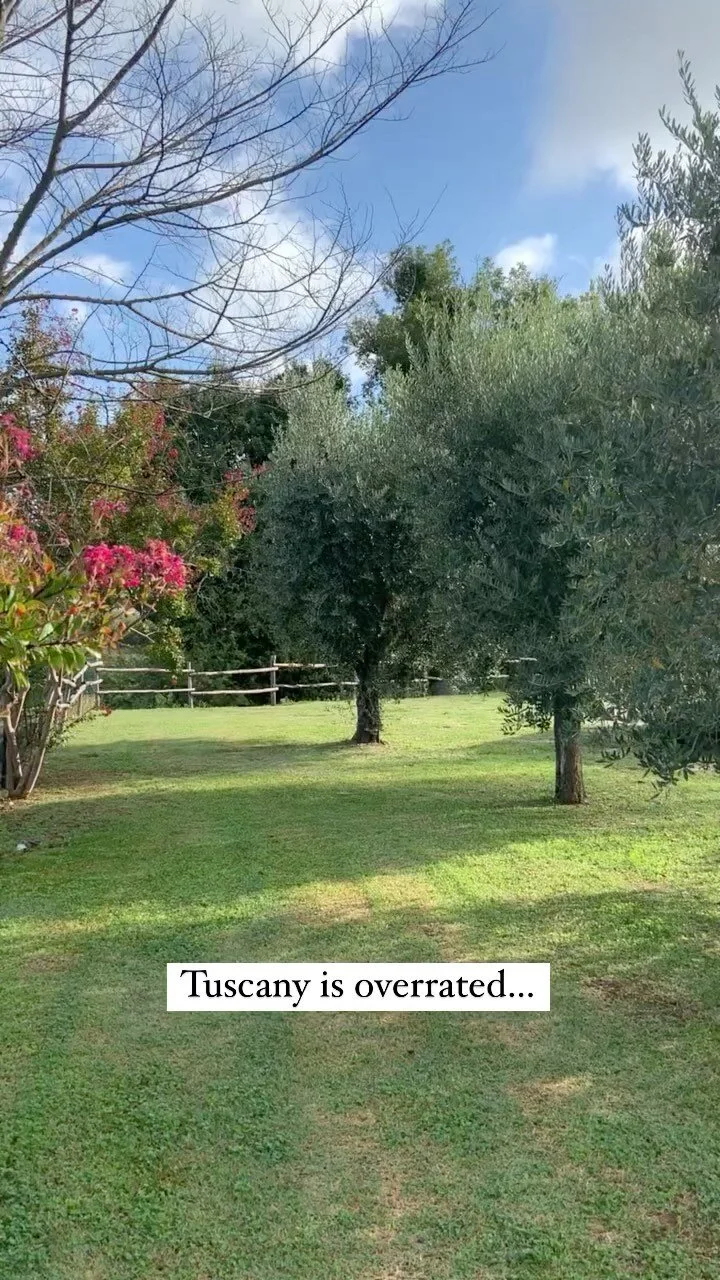
Tuscany is famed for its beautiful countryside, a patchwork of vineyards and farms crowned by hilltop towns. The UNESCO World Heritage cultural landscape Val d'Orcia in southern Italy is an excellent base, offering the best of everything.
For somewhere quieter, consider Umbria. You'll find similar medieval towns and green landscapes but with fewer crowds than neighbouring Tuscany. For seaside countryside, Puglia – which forms the heel of Italy’s ‘boot’ – offers history, beautiful scenery, easy beach access and a much calmer atmosphere than hotspots such as the Amalfi Coast.
If you’re looking for the drama and challenging excursions of the mountains, the Dolomites in northern Italy provide opportunities for walking, cycling and climbing in spectacular alpine valleys.
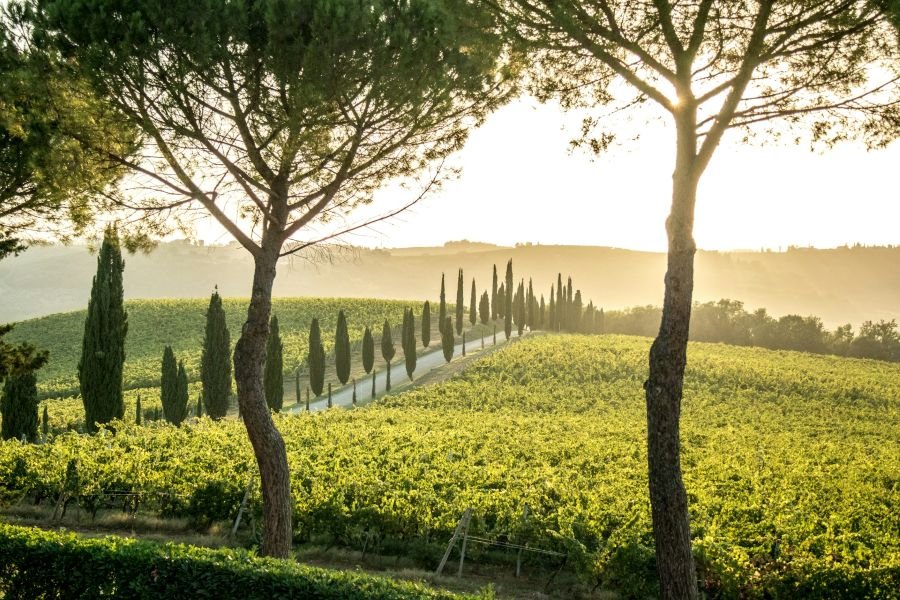
credit: unsplash.
2. Understanding accommodation options
Where you stay can shape your experience of rural Italy.
Agriturismos, or farm stays, give guests an immersive, authentic experience of countryside life. They’re concentrated in Tuscany and South Tyrol/the Dolomites. Most serve meals featuring local produce, and some invite guests to join farming activities such as olive harvesting and participate in cooking classes.
If you value independence, a self-catering villa or apartment gives you space to prepare meals and relax on your own schedule. This works particularly well for families or longer stays. They’re often closer to urban areas with convenient transport rather than out in the sticks, which can be a positive or drawback depending on what you’re looking for.
Small hotels and guesthouses are another option. There are several B&Bs in the hill regions, some luxurious, with more traditional restaurants serving a choice of local dishes and wine grown in the region.
3. Deciding how to explore
Hiring a car gives you flexibility, particularly in regions where public transport rarely reaches smaller villages such as inland Umbria. You can explore a wider area at your own pace, visiting local markets, viewpoints and places beyond the main tourist routes.
If you enjoy being active on holiday, walking offers a more intimate experience of the countryside. You'll notice details you might otherwise miss, from wildflowers beside ancient paths to farmers tending their vineyards, and have an in-depth, authentic experience that only comes with slow travel.
Choose organised or self-guided Italy walking tours with expertly planned routes for peace of mind or design your own itinerary. Some tours arrange luggage transfers, allowing you to walk between villages with just a daypack.
Cycling is a fantastic alternative to walking, letting you explore a wider area through an equally intimate and rewarding approach.
4. Combining with a city
You don't have to choose between Italy's countryside and its cultural centres. Key regions offer the best of both, ensuring a varied holiday with minimal travel and logistics.
Spend a few days in Florence, a natural starting point for a Tuscany holiday. The capital, Rome, pairs well with the towns and countryside of southern Umbria. Bologna provides convenient access to Emilia-Romagna's rural food-producing areas.
Spending a few days in a city before heading into the countryside creates a welcome change of pace. You can enjoy museums, historic landmarks and lively restaurants before settling into slower mornings and quieter surroundings.
For a more relaxed itinerary, choose one rural base within easy reach of your arrival city. You'll spend less time changing accommodation and more time enjoying the places you've come to see.
Disclosure: This is a collaborative post.