How to Create a Stylish Kitchen That Is Practical Too
/A beautiful kitchen can completely change how a home feels, but appearance is only part of what makes a kitchen successful. The room also needs to work well when you are cooking, putting away shopping, entertaining friends or simply trying to get everyone out of the door in the morning.
The best kitchen designs bring these two priorities together. Here are some practical ways to create a kitchen that looks considered while still being easy to live with.
Start With the Layout
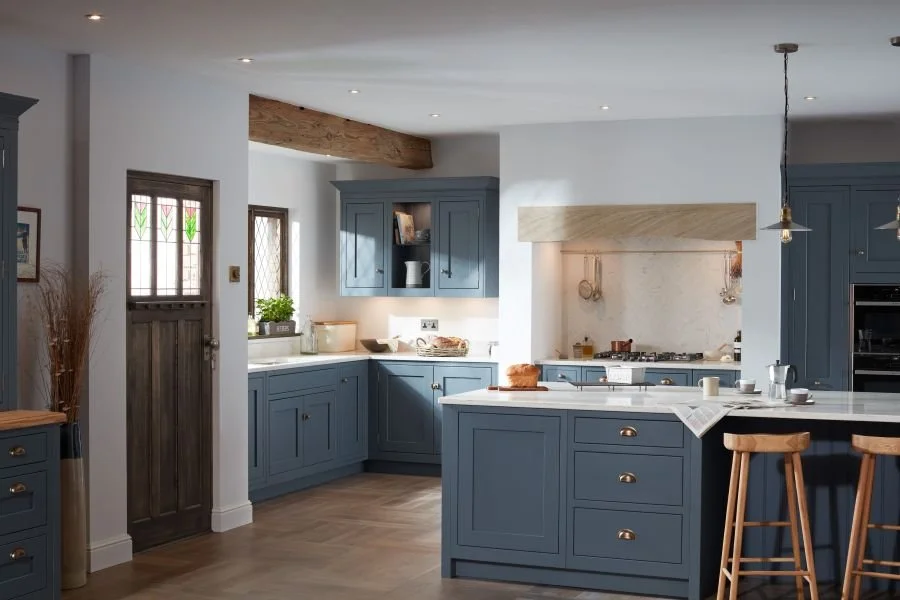
Before thinking about colours and finishes, get the layout right. Consider how you naturally move between the fridge, sink, preparation areas and cooking appliances. You should have enough worktop space where you need it, while frequently used items should be easy to reach.
It is also worth thinking about other people moving through the room. In an open-plan kitchen, someone should ideally be able to reach the dining area or garden without constantly crossing the main cooking zone.
Once the layout works, you have a much stronger foundation for the decorative decisions that follow.
Use Trends Selectively
Trends are a great way to discover new colours, materials and ideas, but you do not have to incorporate every new look into one room. If you are researching a renovation, exploring current kitchen design trends can help you identify the elements that genuinely appeal to you. From there, consider which ones will work with the style of your property and how you use the kitchen.
Long-lasting elements such as cabinetry, worktops and flooring are worth choosing carefully. Smaller details, including handles, paint colours and accessories, can be updated much more easily as your tastes change.
Give Storage as Much Attention as Style
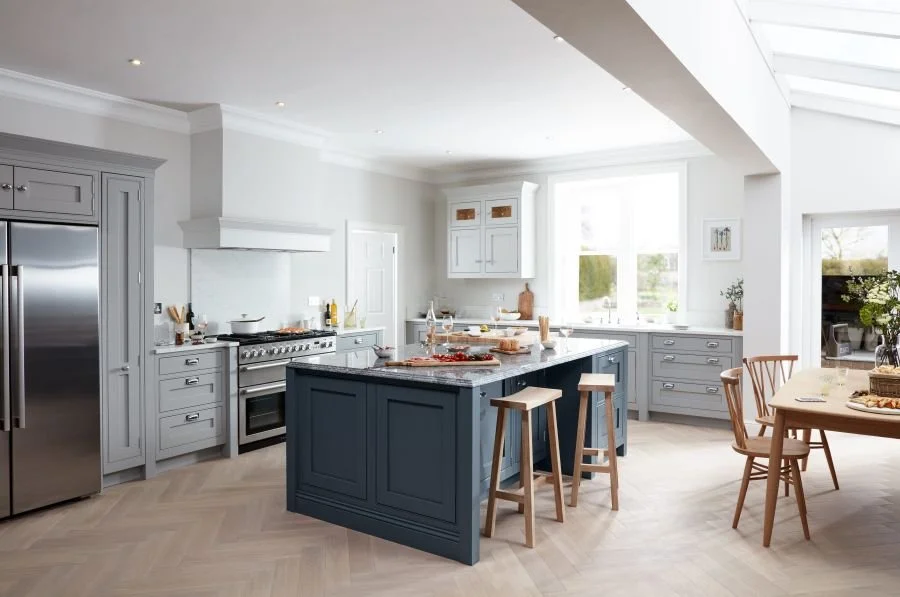
Beautiful cabinetry can quickly lose its impact when every worktop is covered with appliances, paperwork and everyday clutter. Plan storage around what you actually own. Deep drawers are useful for pans and crockery, while tall cabinets can provide plenty of space without taking up additional floor area. A larder cupboard can also keep food together and make ingredients easier to find.
Think about where smaller items will live too. Creating dedicated spaces for trays, chopping boards, recycling and small appliances can make it much easier to keep worktops clear.
Mix Practical and Decorative Lighting
Lighting has a huge influence on both the appearance and usability of a kitchen. Rather than relying on a single ceiling light, combine different types. Task lighting can illuminate preparation areas, while pendants can create a focal point above an island or dining table.
Softer lighting is particularly useful in an open-plan space. Once dinner is finished, being able to reduce the brighter task lighting can make the kitchen feel more like part of the living area.
Choose Materials You Can Live With
A finish may look beautiful in a showroom, but consider how it will perform in your home. Some households will happily maintain a material that requires a little extra care, while others need surfaces that can simply be wiped clean at the end of a busy day.
Think about fingerprints, spills, scratches and general wear when choosing cabinetry, flooring and worktops. Ask for samples where possible so you can see materials in your own lighting and alongside the other finishes in the room.
Add Personality Through Details
A practical kitchen does not need to feel clinical. Artwork, shelving, ceramics, plants and textiles can all bring personality into the room without affecting how it functions. These elements are also much easier to change than permanent fixtures.
Colour can work in the same way. If you prefer relatively timeless cabinetry, introducing stronger shades through painted walls, furniture or accessories can give the room character without committing to a complete redesign later.
Design for the Way You Live
Ultimately, a stylish kitchen should still make everyday life easier. Before making final decisions, think about what frustrates you about your current kitchen. Perhaps you never have enough preparation space, the bin is in an awkward position or there is nowhere sensible to store small appliances.
Solving those problems should be just as important as choosing the right colour or worktop.
If you are unsure how to bring everything together, speaking to an experienced kitchen designer can help. They can look at the available space, your priorities and how you use the room before developing a layout that balances practical requirements with the style you want to achieve.
A kitchen that has been carefully planned can give you both: a room you enjoy looking at and one that makes everyday life that little bit easier.