Exploring Dual Citizenship for Your Family
/
credit: Parabol.
Many families love sharing stories about grandparents or great-grandparents who came from another country. These tales often make us curious about where they came from and spark a wish to feel more connected to that heritage.
Getting dual citizenship can really make that wish come true. It gives your children a direct link to their roots and opens up a whole new world of possibilities.
Connecting with Your Roots
Getting a second citizenship for your family isn't just about practical stuff; it's an emotional investment in who you are together. It gives you a reason to dig into your family history, learn about your family's culture, and maybe even pick up a new language.
For your kids, it can help them understand their place in a bigger global story. Besides the cultural perks, there are real-world benefits too. It can make travel easier, give access to schools abroad, and create future job opportunities for your children in another country. It builds a connection that goes way beyond old stories and photos.
What Dual Citizenship Means
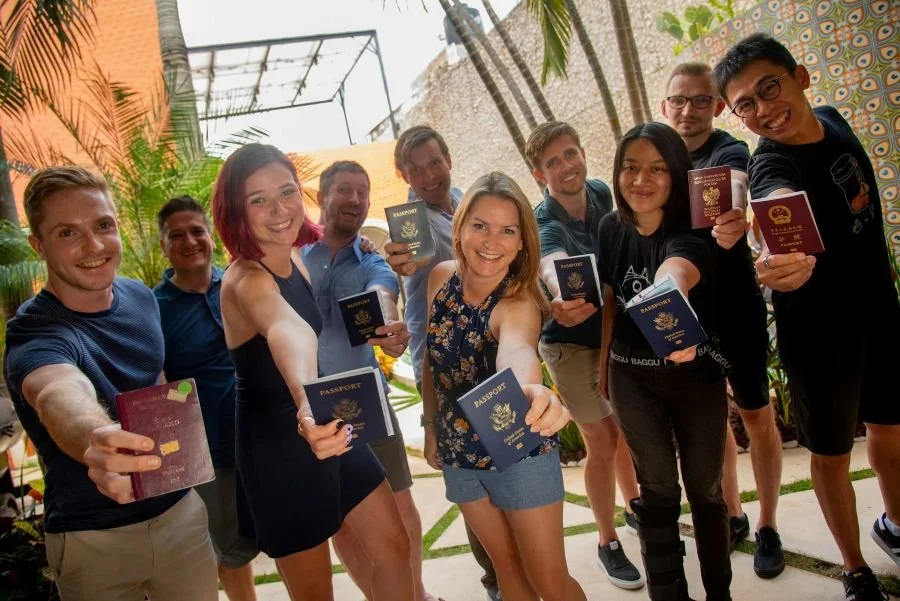
Simply put, dual nationality means you're a citizen of two countries at the same time. Both countries officially see you as a national, and you can carry a passport from each. This status comes with certain rights and responsibilities in both places.
For instance, you might get to vote or use social services, but you could also have duties like paying taxes or, in some countries, doing mandatory military service. It's really important to know that not every country allows dual citizenship. So, the first thing you should always do is check the laws of both your current country and the one you're claiming heritage from.
The Process for Citizenship
For families looking to reconnect with their heritage, the most common way to get dual citizenship is through ancestry. This is often called citizenship by descent or 'jus sanguinis' (right of blood). It means you need to prove your family line back to a parent, grandparent, or sometimes even a great-grandparent who was a citizen of that country. This journey usually starts with collecting a lot of official documents.
You'll need birth certificates, marriage certificates, and other records that clearly show the link to your ancestor. The exact rules vary a lot from one country to another, and the paperwork can get pretty complicated. Many people find that dealing with the specific demands of a foreign government is much easier with the help of professional immigration lawyers who specialise in these kinds of cases.
Common Challenges to Expect
Starting the citizenship application process can be a long and sometimes frustrating journey. One of the biggest challenges is often the paperwork itself. Trying to find a great-grandfather's birth certificate from a small village or getting official, translated copies of records that are decades old can feel like a detective story.
Every country has its own specific, and often strict, rules about what kind of documents they'll accept. You should also be ready for long waits. Government offices that handle these applications are often short-staffed, and processing can take months or even years. Patience is really important here, as is paying close attention to every little detail to avoid your application getting rejected over a technicality.
Expert Guidance for Applications
Because things can get complicated, getting expert advice can make the whole process smoother and less stressful. Professionals who handle citizenship applications every day know the common problems and can help you figure out what documents you'll need before you even begin.
They can make sure your paperwork is filled out correctly, properly certified, and sent through the right channels. This kind of support is especially valuable if you're dealing with language barriers or legal systems you're not familiar with. Having an expert on your side helps you feel confident that your application is as strong as it can be, letting you focus on the exciting part: connecting your family with its heritage.
Going after dual citizenship is a big project, but it's one that can truly enrich your family's life. It builds a bridge to your past while opening doors to your children's future.
Disclosure: This is a collaborative post.