Decluttering Your Bookshelves: Simple Ways to Make Space and Give Books a Second Life
/Often, we don’t notice how quickly books can build up over time. Our shelves might be filled with hobby books we no longer read, old cookbooks replaced by new favourites, or books we haven’t even opened since buying them. Before long, bookcases are overflowing, bedside tables are stacked with unread titles, and finding the book you want becomes a challenge.
Whether you are preparing for a house move, making room for a growing family or simply looking for a more organised home, decluttering your bookshelves is a practical place to start. Selling unwanted books can free up space, earn you some extra money and give other readers the chance to enjoy them.
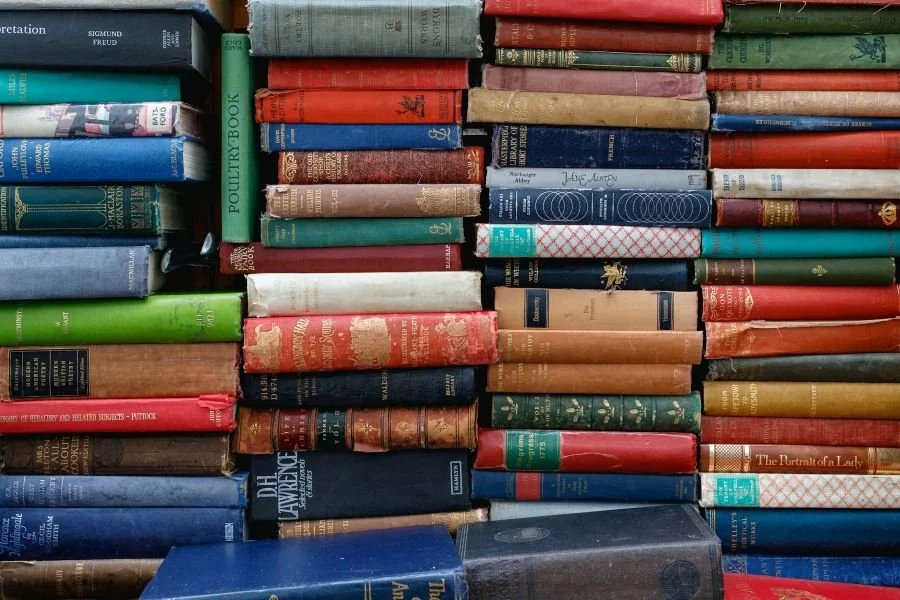
credit; unsplash.
Start Small and Sort Your Books
Rather than tackling everything at once, start with one shelf, a bedside table or a single pile of books. Sort your books into three simple groups: those you want to keep, those you are ready to pass on, and those you are unsure about. When deciding which books to keep, there are a few things to consider:
· How likely are you to read the book again?
· How long has the book been sitting untouched on your bookshelf?
· Does the book hold sentimental value, even if you are unlikely to read it again?
It is worth being realistic about books you have been meaning to read for years. If they no longer interest you, passing them on could be more rewarding than letting them gather dust.
Make Room for Changing Priorities
Our reading habits and priorities change throughout life, and the books we once needed or enjoyed may no longer have a place in our daily routines. Parents may find that their children have outgrown picture books, students may be left with textbooks they no longer need, and small business owners might have professional guides that are no longer relevant to their work.
Keeping only the books that are useful or meaningful to you can make your home feel more organised and create space for new interests and priorities. It is not about getting rid of everything, but about making room for the things that matter to you now.
What Can You Do with Unwanted Books?
Once you have sorted your collection, there are several ways to pass on books you no longer need.
Donating suitable books to charity shops, community groups, schools or local libraries can help make reading more accessible. You could also offer books to friends and family, organise a book swap or list them through a local community group.
Another option is to sell your books. This can be particularly useful if you have a large collection, textbooks or books in good condition that someone else might be looking for. Instead of leaving them unused on a shelf, you could earn a little extra money to put towards something else.
Services such as WeBuyBooks offer a way to sell books online. You can check which titles are accepted and receive a valuation before deciding whether to go ahead. It is worth checking the condition requirements and available options before sending your books.
If your books are too damaged to donate or sell, recycling may be another option. Check your local household recycling centre or council guidance, as recycling rules can vary by area.
Whichever option you choose, passing on books can do more than create space at home. A title that is no longer useful to you might be exactly what another reader is searching for, whether it is a favourite childhood story, a novel for a long journey or a guide to learning a new skill. Reusing existing books also gives readers an alternative to buying new copies, helping them make more of their reading budgets.
Keep Your Bookshelves Clutter-Free
Once you have cleared some space, a few simple habits can help you maintain it. Try reviewing your bookshelves every few months, rather than waiting until they are full again. When you finish a book, decide whether you want to keep it, lend it to someone or pass it on.
You could also set a limit on the number of books you keep in each room or reserve a shelf for books you genuinely plan to read soon. For families, involving children in choosing which books to keep and which to share can be a useful way to teach them about reuse and generosity.
Decluttering does not have to mean getting rid of everything. It is about making thoughtful choices about what you keep and finding useful new homes for the things you no longer need. If your bookshelves are still overflowing, you sell your books to free up more space, make room for new experiences and help someone else discover their next favourite read.
This is a collaborative post.