Creative Ways to Add a Personal Touch to Family Celebrations
/Family celebrations do not need to be grand to feel special. Often, the details people remember are the small ones: the song that played while everyone was getting ready, the handwritten place cards, the children running around in matching jumpers, or the photo everyone laughed about for years afterwards.
Whether you are planning a birthday, anniversary, christening, reunion, school event, or a relaxed family weekend, personal touches can help bring people together. They make an occasion feel less like a generic gathering and more like something that belongs to your family.
The good news is that these details do not have to be expensive or complicated. With a little planning, you can create moments that feel thoughtful, warm, and memorable.
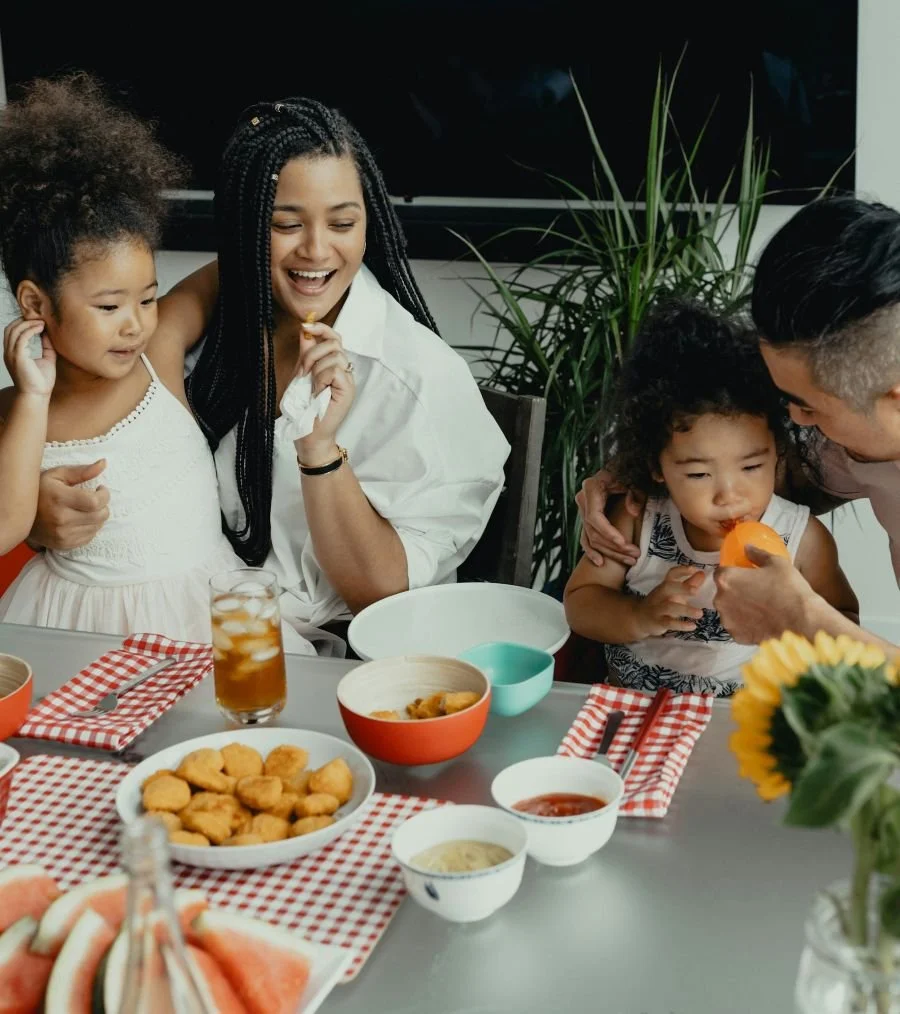
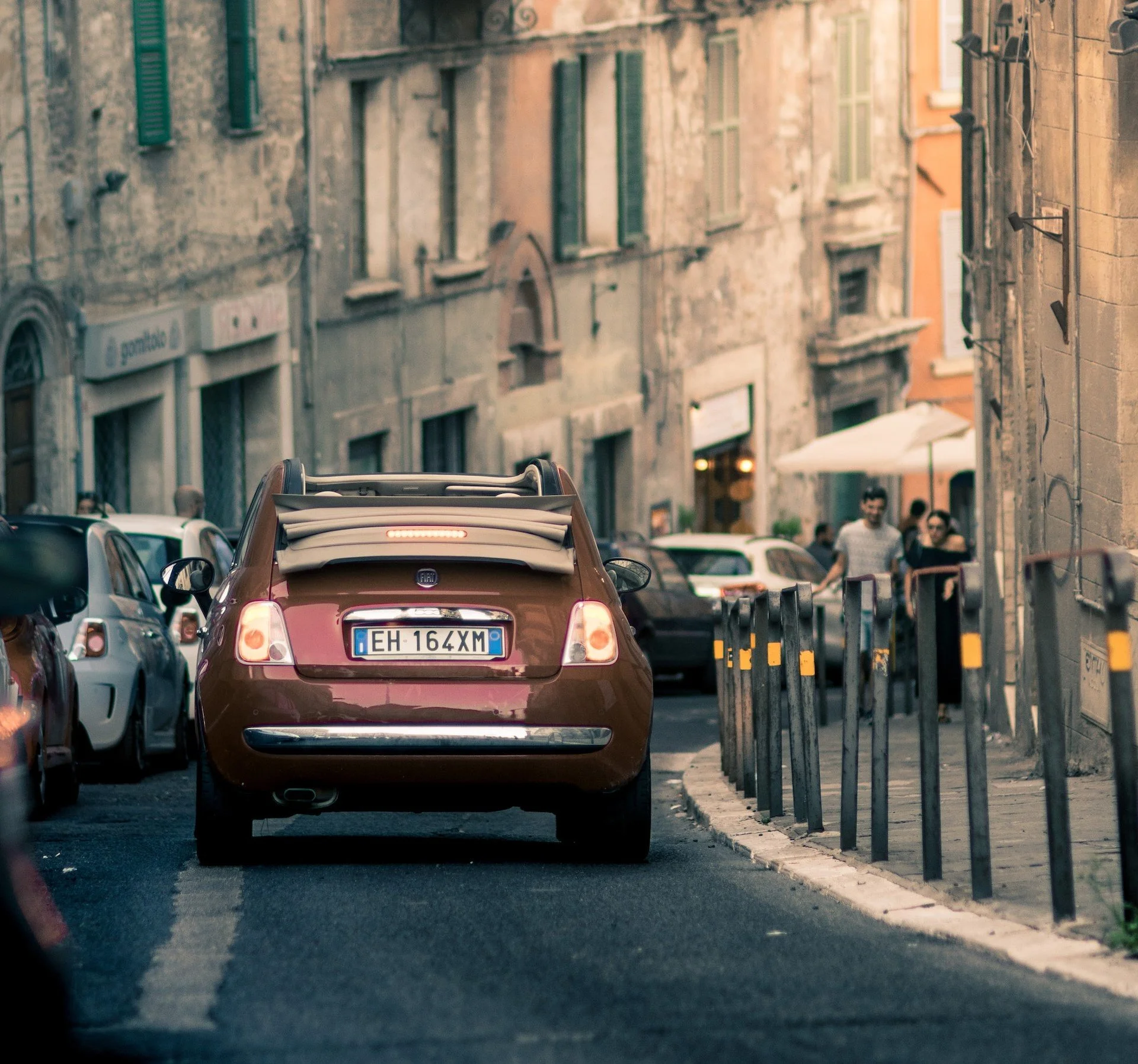
credit: unsplash.
Start With the Feeling You Want to Create
Before choosing decorations, outfits, or favours, think about the atmosphere you want. Is the celebration meant to be relaxed and playful? Elegant and sentimental? Child-friendly and colourful? A bit nostalgic?
This helps guide your decisions and prevents you from buying things simply because they look nice online. A garden birthday might suit picnic blankets, paper lanterns, and homemade lemonade. A milestone anniversary may call for old family photos, a playlist from the couple’s younger years, and a quiet space for speeches.
For a child’s party, the feeling might be energetic and joyful, with easy games, bright colours, and snacks children can eat without too much fuss. For a family reunion, you may want a sense of connection, especially if relatives have travelled from different places.
Once you know the mood, the personal touches become easier to choose.
Use Family Stories as Decoration
One of the simplest ways to make an event feel personal is to bring family stories into the space. Photos are an obvious starting point, but there are many ways to display them creatively.
You could hang a washing line of printed photos with wooden pegs, create a small memory table, or place old pictures in simple frames around the room. For a big birthday, ask relatives to send one photo and one short memory in advance, then display them together.
Children often enjoy seeing photos of parents and grandparents when they were younger. It sparks conversations and helps them feel part of a longer family story.
You can also use small written notes. For example, at an anniversary meal, guests could write down advice, memories, or funny moments involving the couple. These can be collected in a box or scrapbook for later.
The aim is not to create a museum. It is simply to give people something meaningful to notice, smile at, and talk about.
Make Matching Details Fun, Not Fussy
Coordinated details can work well for family occasions, but they should still feel natural. Not everyone wants to wear a formal matching outfit, especially at a relaxed gathering. Small touches are often easier and more comfortable.
For example, you might choose a colour theme and invite everyone to wear one item in that shade. At a summer party, cousins could have matching sun hats. For a hen weekend or birthday trip, the group could wear coordinated accessories for one part of the day, then dress as they please later.
For children, matching details can be especially sweet in photos. This might be as simple as similar jumpers, hair bows, badges, or socks. For example, custom socks from SockPrinter, featuring a date, initials, or a simple illustration, can add a coordinated touch to a family reunion, birthday weekend, or holiday gathering.
The key is to keep it comfortable. If the item is practical and easy to wear, people are more likely to enjoy it rather than feel as though they are in costume.
Create Keepsakes People Will Actually Use
Party favours can be lovely, but many end up forgotten in a drawer. If you want to give guests a keepsake, think about something useful, edible, or sentimental.
For a children’s party, this could be a small book, a packet of seeds, a decorated biscuit, or a simple craft made during the party. For adults, it might be a jar of homemade jam, a printed recipe card from a family favourite dish, or a small candle with a handwritten tag.
At a family gathering, a printed group photo can be a meaningful favour if you have access to a portable printer or arrange to send it afterwards. Another idea is to create a shared digital album so everyone can add their photos from the day.
Keepsakes work well when they connect to the occasion. A beach weekend might have shell decorations or personalised luggage tags. A winter gathering might include hot chocolate cones or knitted decorations. The more relevant the item feels, the less likely it is to seem random.
Involve Children in the Preparation
If the celebration includes children, involving them beforehand can make the event feel more exciting. It also gives them a sense of ownership.
Younger children can help make paper chains, decorate place cards, fill favour bags, or choose songs for a party playlist. Older children might help design invitations, create a quiz, take photos, or plan simple games for younger cousins.
This does not mean everything has to look polished. A slightly wonky handmade banner can feel far more charming than something flawless and impersonal. Guests often appreciate seeing the effort children have put into a celebration.
If you are hosting a family meal, children can help write name cards with little drawings. At a birthday party, they could help create a “memory wall” by adding pictures, stickers, or short messages.
Giving children small jobs on the day can also help. One child could hand out napkins, another could welcome relatives at the door, and another could be in charge of placing cards on the table.
Plan One Simple Shared Activity
A shared activity gives guests something to do beyond eating and chatting. It does not need to be elaborate. In fact, simple activities often work better because people can join in without pressure.
For a family reunion, you could create a quiz with questions about relatives, places, and funny memories. For a birthday, ask guests to write predictions for the year ahead or share one kind message for the birthday person.
Outdoor gatherings work well with low-effort games such as boules, ring toss, scavenger hunts, or relay races. If several generations are attending, choose activities that can be enjoyed by different ages.
Craft tables are useful for children, but adults often enjoy them too if the activity is relaxed. Decorating biscuits, making paper crowns, or writing postcards can become a gentle way for people to chat.
Try not to over-schedule. One planned activity is usually enough to create a focal point while still leaving space for natural conversation.
Think About Photos Before the Day Begins
Photos are often the lasting record of a celebration, but they can easily become an afterthought. A little planning helps without turning the occasion into a photoshoot.
Choose one area with good light where people can gather for pictures. This might be near a garden wall, a decorated doorway, or a simple backdrop. If you want a group photo, decide when it will happen, ideally before children become tired or outfits become covered in cake.
You can also make a short list of photos you would like: grandparents with grandchildren, siblings together, cousins, the host family, or a photo of the table before everyone sits down.
Ask one or two people to take candid photos during the day. This avoids the host having to remember everything while serving food and greeting guests.
The most treasured photos are not always posed. They are often the quiet, funny, in-between moments: a child helping blow up balloons, relatives laughing in the kitchen, or someone reading a card with a smile.
Keep It Manageable for the Host
Personal details are lovely, but they should not leave the host exhausted. A celebration that feels warm and relaxed is often more enjoyable than one where every detail is controlled.
Choose two or three personal touches that matter most, then let the rest be simple. You might focus on a photo display, a meaningful playlist, and one shared activity. Food can be straightforward, decorations can be minimal, and guests can help.
If relatives offer to bring something, say yes. Someone can bring a salad, another person can handle drinks, and someone else can organise a game for the children. Shared effort often adds to the family feeling.
It is also worth preparing anything you can in advance. Print photos a week before, pack decorations in one box, label serving dishes, and write a rough timeline. This makes the day itself calmer.
Conclusion
Personal touches are not about making a celebration look impressive. They are about helping people feel connected, noticed, and part of something meaningful.
A few thoughtful details can turn an ordinary gathering into a memory your family talks about later. Whether it is a handmade banner, a shared playlist, a group photo, or a small coordinated detail, the most effective ideas are the ones that reflect the people at the heart of the occasion.
When the focus stays on warmth, comfort, and togetherness, even the simplest family celebration can feel truly special.
Disclosure: This is a collaborative post.