Why Rear-End Collisions Happen More Often Than You Think
/Rear-end collisions happen every day on busy highways, neighborhood streets, and crowded intersections. Although they are among the most common types of traffic accidents, many people assume they only occur when someone is driving recklessly. In reality, these crashes often result from a combination of everyday driving habits and changing road conditions.
A vehicle slowing unexpectedly, heavy traffic, poor weather, or even a brief distraction can quickly create a situation where there isn't enough time or distance to stop safely. Small mistakes that seem insignificant in the moment can have serious consequences when drivers are traveling at highway speeds.
Learning why rear-end crashes occur so frequently helps drivers recognize common risks before they become dangerous. A better understanding of these situations also highlights practical ways to reduce the likelihood of being involved in one.
Following Too Closely Leaves Little Room to React
One of the leading causes of rear-end collisions is following another vehicle too closely. When drivers leave very little space between vehicles, they reduce the amount of time available to react if traffic suddenly slows or stops.
Safe following distance gives drivers additional time to recognize hazards and apply the brakes gradually instead of making abrupt movements. The faster traffic is moving, the more distance is needed to stop safely under normal conditions.
Tailgating often feels like a minor habit, but it significantly increases collision risk. Allowing extra space between vehicles creates a valuable safety cushion that can help prevent unnecessary crashes.
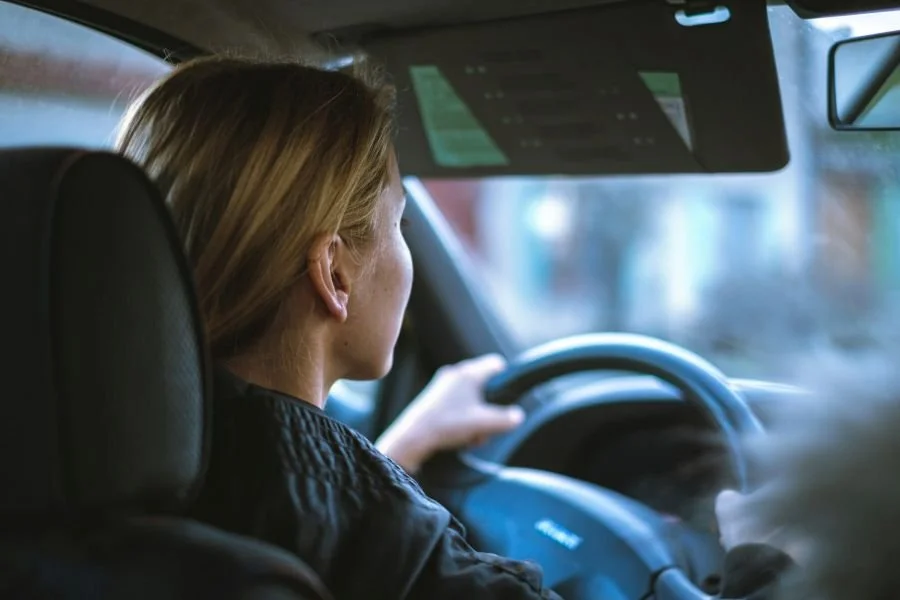
credit: unsplash.
Distractions Can Delay Critical Reactions
Rear-end crashes frequently occur because a driver doesn't notice changing traffic conditions until it's too late. Looking at a mobile device, adjusting the radio, eating, or becoming distracted by passengers can take attention away from the road for only a few seconds, but those seconds matter.
Even cognitive distractions, such as daydreaming or focusing on something unrelated to driving, can delay reactions. A driver may be looking straight ahead while still failing to recognize that traffic has slowed.
Remaining focused behind the wheel allows drivers to identify hazards earlier and respond more smoothly. Maintaining full attention is one of the simplest ways to reduce the likelihood of delayed braking.
Road and Weather Conditions Play a Role
External conditions also contribute to rear-end collisions. Heavy traffic often creates stop-and-go driving where sudden braking becomes common. Drivers who fail to anticipate changing traffic patterns may struggle to stop in time.
Rain, fog, snow, and icy roads reduce traction and increase stopping distances. Even when drivers react quickly, slick pavement may prevent a vehicle from stopping as expected before reaching the vehicle ahead.
Construction zones, uneven pavement, and roadway debris can create additional challenges. Adjusting speed and increasing following distance during changing conditions helps drivers maintain better control.
Defensive Driving Helps Prevent Collisions
Preventing rear-end collisions often comes down to developing consistent defensive driving habits. Looking farther down the road instead of focusing only on the vehicle directly ahead provides more time to recognize slowing traffic and changing conditions.
Maintaining a safe following distance, avoiding distractions, and anticipating the actions of nearby drivers all contribute to safer driving. These habits create additional time to react without relying on sudden braking or sharp steering movements.
Drivers should also remember that defensive driving benefits everyone on the road. Staying patient during congestion and avoiding aggressive driving behaviors reduces unnecessary risks throughout every trip.
Conclusion
Rear-end collisions occur so frequently because many different factors can combine within just a few moments. Following too closely, delayed reactions, poor weather, and heavy traffic all increase the likelihood of a crash when drivers have little time to respond.
Fortunately, many of these accidents are preventable through simple driving habits. Leaving adequate space, staying focused, and adjusting to changing road conditions provide valuable opportunities to avoid sudden collisions.
Every trip presents different challenges, but attentive driving remains one of the best ways to reduce risk. Giving yourself enough time and distance to react helps make the road safer for both you and everyone traveling around you.
Disclosure: This is a collaborative post.