Why outdoor holidays are dominating wellness travel
/More people treat holidays as a chance to reset. You no longer look only for comfort or luxury; you want space that helps you sleep better and relax away from the stress of everyday life. Outdoor holidays are a great way to experience this. By spending time in open landscapes, you naturally move more and take a well-needed break away from the constant pull of screens and schedules.
The shift from passive to active wellness
Traditional wellness travel often centres on spas and treatments. While those still play a role, you now see a stronger pull towards experiences that keep you physically engaged. You walk coastal paths instead of sitting in enclosed lounges, or you explore mountain trails instead of staying indoors for long stretches. Your body responds to movement and fresh air in a way that helps you settle into a deeper rest later in the day.
Why nature is central to modern wellbeing
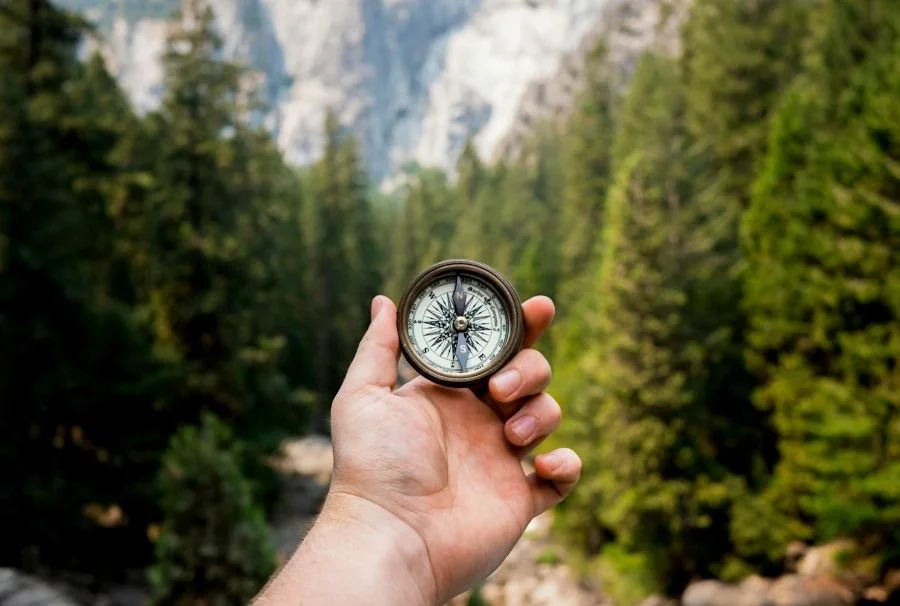
Natural environments help you step out of the mental noise that builds during everyday life. When you look at the natural beauty of forests or mountains, your attention shifts away from tasks and notifications. You also tend to make simpler choices outdoors such as walking and pausing whenever you want to without constant external prompts. That freedom helps you reconnect with how your body feels in the moment
credit: Unsplash.
How outdoor holidays help reduce stress and burnout
Stress often builds when you stay in the same environment with the same pressures for too long. Outdoor holidays interrupt that pattern by changing both your surroundings and your daily rhythm. You wake up to natural light and spend more time moving. Without constant input, your thoughts slow down. Even more active outdoor trips like ski holidays create this effect, as physical effort and fresh air naturally reduce mental fatigue.
The social benefits of shared outdoor experiences
Outdoor travel also changes how you connect with others. Shared activity replaces passive time together, which often leads to more natural conversations. You talk while walking or navigating new places rather than sitting in structured environments. With families, children tend to engage more when they move, and adults tend to feel less pressure to “fill” silence with planned entertainment.
Flexible travel and the future of wellness tourism
Wellness travel now leans towards flexibility. You choose your level of activity each day based on how you feel rather than a rigid schedule. This approach allows you to balance effort and rest in a way that suits your energy levels.
Outdoor destinations support this shift because they give you space to adapt your plans easily. You might take a longer route one day and a shorter walk the next without disrupting your overall experience. This freedom keeps travel feeling natural, which is increasingly what you look for when you want to return home feeling properly restored.
Disclosure: This is a collaborative post.