What the Italian Approach to Food Sourcing Can Teach Us About Brand Trust
/Spend any time in an Italian market, and you will notice something different about how people shop. There are questions asked—of the stallholder, of the cheese seller, of the person slicing the prosciutto. Not aggressive questions. Just the kind that come naturally when you actually care where something comes from and how it was made. It is a culture built around knowing your food, and it carries a lesson that translates well beyond Italy.
Transparency Builds the Trust That Makes Loyalty Possible
At its core, that culture is built on transparency. Consumers trust vendors because information is readily available, questions are welcomed, and accountability is visible. The same principle applies whether food is sold from a market stall or distributed on a national scale. One marker of a trustworthy food brand is how openly it handles problems when they arise. A company that maintains a clear, always-accessible recall page—one that consumers can check at any time, not just when a crisis is already public—is operating with the same instinct as a market vendor who tells customers honestly which batch of tomatoes arrived less than perfect this week. The Taylor Farms recall page is a practical example of this approach in action.
As one of North America's largest fresh produce companies, Taylor Farms maintains a dedicated page where recall information can be accessed whenever relevant updates are issued. That commitment to making information readily available reflects a broader principle: trust is built not by avoiding problems altogether, but by communicating openly when they occur.
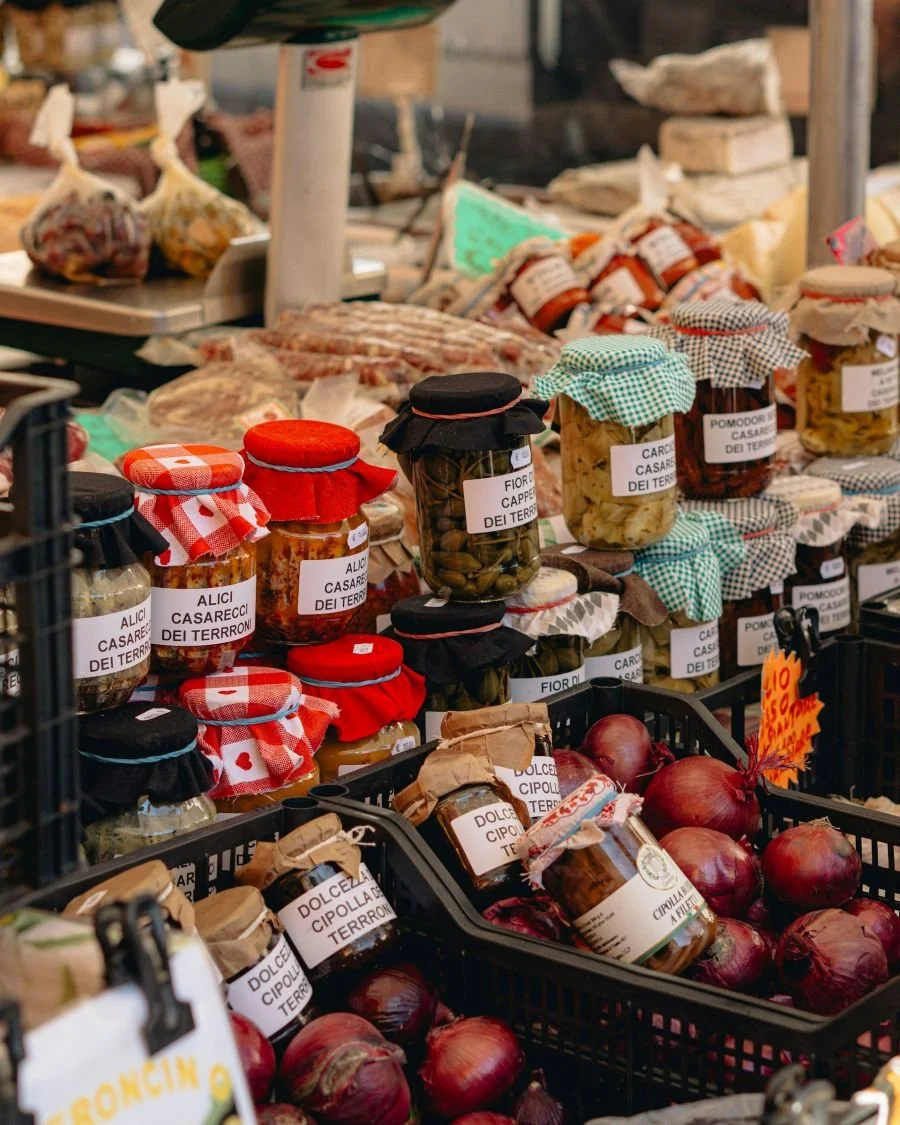
credit: unsplash.
Provenance Is Not a Trend - It Is a Standard
In Italy, the Denominazione di Origine Protetta system - protected designation of origin - exists precisely to guarantee that a food product is what it says it is, made where it claims to have been made, using the methods that define it. Parmigiano Reggiano, Prosciutto di Parma, Mozzarella di Bufala: these are not just labels, they are accountability structures with real teeth.
The underlying principle - that consumers deserve to know exactly what they are eating and where it came from - is not unique to Italy. But it is perhaps more deeply embedded there in everyday shopping behaviour than almost anywhere else.
The Question Every Informed Shopper Should Ask
When you buy packaged produce - bagged salads, fresh-cut vegetables, pre-washed herbs - do you know how to check whether that product has been flagged? Most people do not, until there is a news story prompting them to look.
Building the habit of knowing where to look - before anything goes wrong - is the modern equivalent of knowing your market vendor. It takes a couple of minutes to find and bookmark a brand's recall page, or the relevant national food safety authority's alerts feed. In Italy, food knowledge is passed down; elsewhere, we have to build it ourselves.
Cooking at Home Starts With Knowing What You Are Bringing In
For families who cook regularly from scratch - and Italian culinary tradition is built almost entirely around this - the quality and safety of raw ingredients is the foundation of everything. You can have excellent technique and beautiful Italian recipes committed to memory, but it all depends on starting with produce you can trust.
That trust is not blind. It is informed by understanding where something came from, how the brand behaves when something goes wrong, and where to find reliable information when you need it.
What Good Brand Behaviour Looks Like in Practice
A brand worth trusting does three things consistently: it maintains high production standards, it acts proactively when something falls short of those standards, and it communicates openly with the people who buy its products. These are not exceptional behaviours. They are the baseline that consumers are entitled to expect.
The Italian market vendor who tells you which batch to avoid this week is not doing you a favour. They are doing their job. The same standard applies to every food company operating at scale.
Disclosure: This is a collaborative post.