Termoli, Italy: The Complete Travel Guide to Molise’s Adriatic Gem
/This week we’re uncovering more beautiful spots in Italy which are going under the radar! Molise is apparently Italy’s least-visited region. Sometimes called ‘the region that doesn’t exist’. This means you get to experience another spectacular area of Italy without the crowds! These are our favourite places! So where should you go…
Termoli, Italy is a picturesque seaside town on the Adriatic coast in the Molise region, where coastal beauty meets medieval charm. Despite being one of Italy’s best‑kept secrets, Termoli offers incredible beaches, historic landmarks, vibrant local culture, and of course authentic cuisine, making it a must‑see on any southern Italy itinerary.
Whether you’re planning a beach vacation, cultural trip, or off‑the‑beaten‑path adventure, our Termoli travel guide covers everything you need to know, from the historic old town and top attractions to the best ways to get there and local food not to miss.
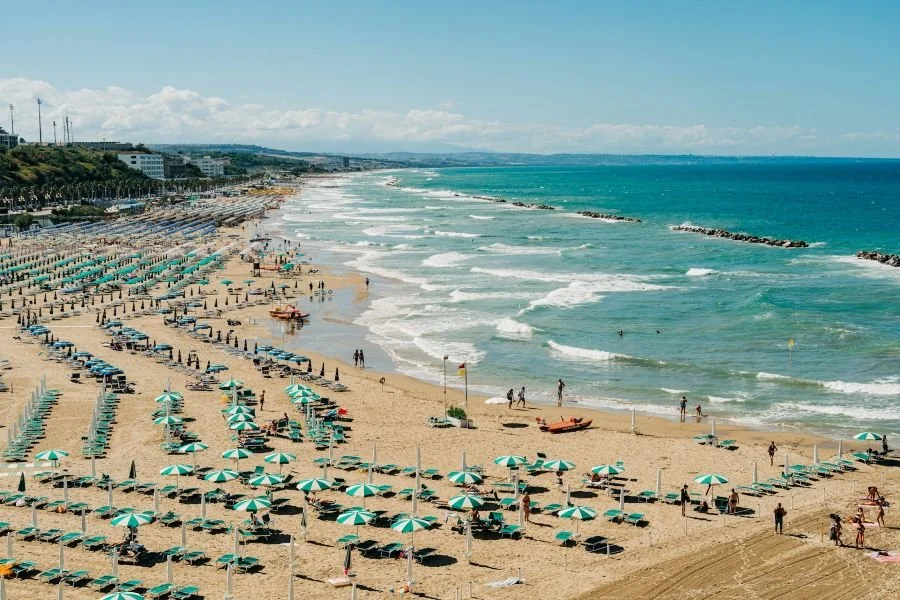
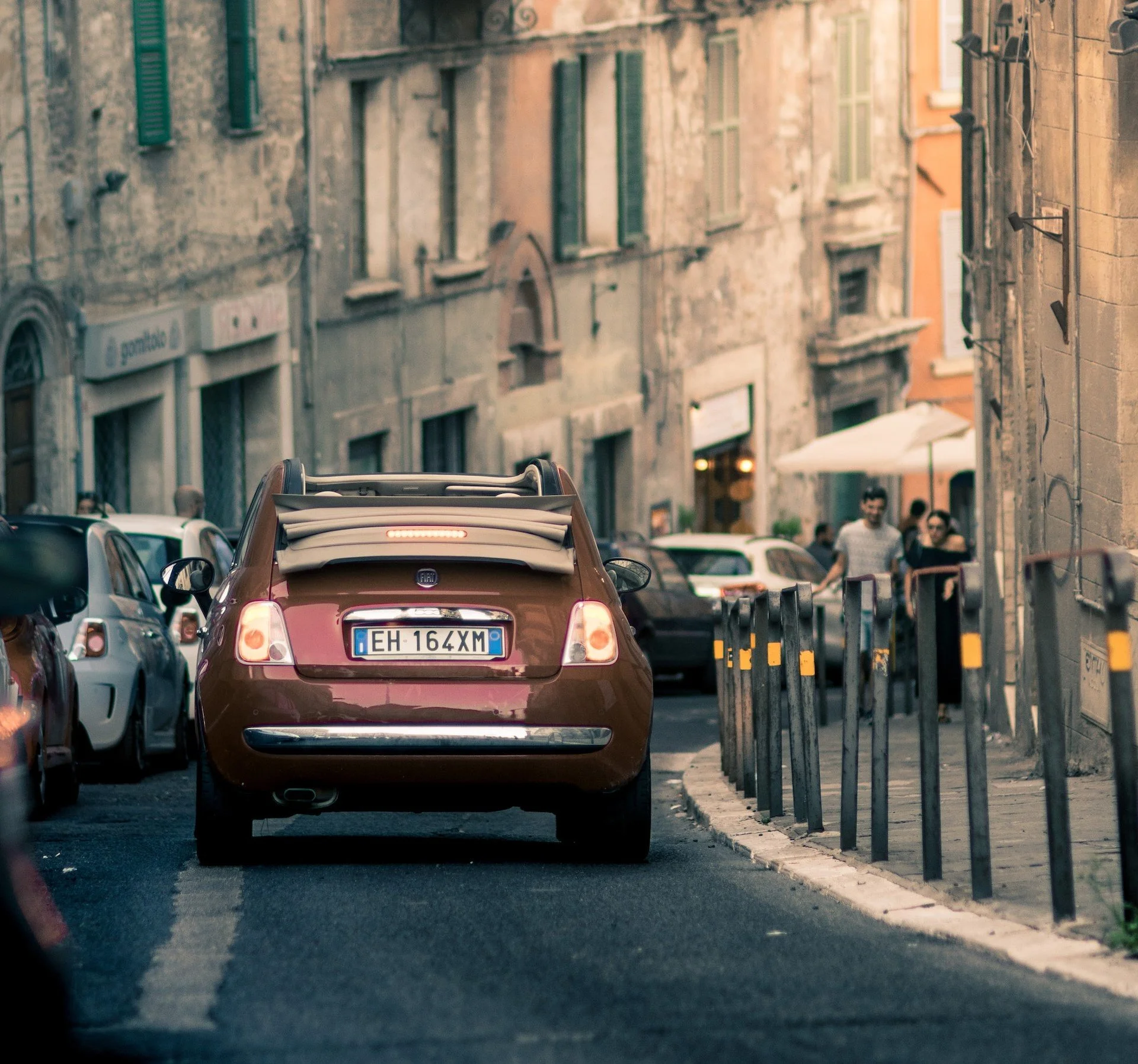
Credit: Unsplash.
Where Is Termoli, Italy?
Termoli is located in the province of Campobasso in Molise, one of Italy’s smallest and least‑visited regions. Perched on a promontory overlooking the deep blue waters of the Adriatic Sea, Termoli acts as a cultural and coastal gateway between Puglia and Abruzzo.
Because it’s less crowded than Italy’s major coastal destinations, Termoli is ideal for travellers looking for a combination of beaches, history, local life, and seafood‑rich cuisine.
Map of Termoli (Scroll-in to see details).
A Brief History of Termoli
Termoli’s history stretches back to ancient times, but its most iconic monuments date from the medieval and Norman eras. Positioned as a coastal lookout and defensive town, Termoli was repeatedly fortified and renovated over the centuries, particularly under Norman and Swabian influence.
Today, you can view layers of history in its walled old town, fortified castles, and centuries‑old cathedral standing proudly against the horizon.
Top Things to Do in Termoli
1. Explore the Borgo Antico: Termoli’s Historic Heart
One of the first places to visit is the Borgo Antico (historic old town) which is a fascinating maze of cobblestone streets, pastel houses, and scenic views over the Adriatic. The old town is perched on a promontory, which is a prominent ridge of rock or land that projects prominently into a body of water. Here it once served as a fortified centre against maritime raids. Wandering around gives you a sense of history and authentic Italian village life.
Must‑see moments in Borgo Antico seeing colourful houses framed against the sea. Discovering hidden lookout points with stunning views. Meandering around quaint piazzas perfect for espresso stops!
2. Visit Termoli Cathedral
At the heart of the old town lies Termoli Cathedral (Cattedrale di Santa Maria della Purificazione), a masterpiece of Romanesque architecture originally built in the 12th–13th centuries. Its façade of blind arches and decorative windows reflects centuries of care and restoration, and inside you’ll find relics of the town’s patron saints, including San Basso and San Timoteo.
3. Castello Svevo: The Fortress by the Sea
The imposing Swabian Castle (Castello Svevo) is one of Termoli’s most striking landmarks. Originally built in the 11th century and reinforced under Emperor Frederick II, the castle’s thick limestone walls and corner towers whisper of its defensive past. Today, it’s a cultural hub hosting exhibitions and events.
Climb up to the ramparts for 360° views of the Adriatic coastline and the pastel rooftops of the old town, an unforgettable highlight of any visit.
4. Walk Through the Rejecelle: Italy’s Narrowest Alley
For something quirky and uniquely local, don’t miss the Rejecelle, a famously narrow alleyway in Termoli’s old town that measures barely over a foot across at its tightest point. It’s a fun photo spot and testament to medieval urban design.
5. Enjoy Beaches & Sea Views
Termoli’s coastline is dotted with both sandy beaches and scenic promenades. Sant’Antonio Beach and nearby Lido stretches offer golden sand and clear water, perfect for swimming, sunbathing, or a sunset stroll.
The Adriatic water here has often earned Blue Flag status for cleanliness and facilities, attracting families and beach lovers throughout the summer.
6. Discover the Trabucco: Maritime Heritage at the Water’s Edge
Along the shore, you’ll find traditional trabucchi, wooden fishing structures extending into the sea. These ingenious machines were once used to harvest fish without venturing out in rough waters and are now cherished relics of Termoli’s seafaring past.
7. Visit the Marina and Take a Boat Trip
Stroll down to the marina area to watch fishing boats and ferries come and go, and if you like ocean adventures, embark on a seasonal trip to the Tremiti Islands, an Adriatic archipelago known for crystal waters and sea caves.
Local Food & Drink in Termoli
Seafood dominates the culinary scene in Termoli. Be sure to try:
U’ bredette: a rich fish broth once prepared on fishing boats
Pappone: a rustic dish of stale bread soaked in seasoned fish broth
Grilled fish, cuttlefish with peas, and fresh seafood pasta
Pair your meal with a glass of Tintilia del Molise, the region’s signature red wine.
Local seafood restaurants, especially those near the marina and on the promenade combine fresh, seasonal catches with stunning sea views.
Best Time to Visit Termoli
Summer (June–August): Warm sea temperatures, beaches open, festivals and fireworks, including the annual Incendio del Castello on August 15.
Spring & Autumn: Mild weather and fewer crowds, ideal for wandering the old town and seaside walks.
Winter: Quiet and atmospheric, perfect for travellers seeking a peaceful escape.
How to Get to Termoli
By Train
Termoli has a major railway station on the Adriatic line (Ancona–Lecce), with frequent services linking it to cities across Italy.
By Car
Take the A14 Adriatic Highway: Termoli has its own exit and ample parking near the historic centre.
By Ferry
Ferries from the marina connect to the Tremiti Islands and, during seasonal schedules, other Adriatic routes, making Termoli a convenient coastal jumping‑off point.
Day Trips & Surrounding Attractions
Within about 25 km of Termoli, you can explore charming Molise villages and towns like Larino, Casacalenda, and Campomarino, each offering rural culture, historic sites, and regional food traditions.
Why Termoli Should Be on Your Italy Travel List
Termoli perfectly blends sea‑side relaxation and authentic Italian culture. Its mixture of beaches, medieval architecture, local traditions, and excellent food makes it a standout destination along the Molise coast. One that travellers from Naples to Puglia already adore yet remains relatively undiscovered by international tourism.
Whether you’re seeking heritage sights, seaside leisure, or a gateway to exploring hidden southern Italy, Termoli delivers a rich and memorable travel experience.
For us it’s a great combination of warm weather, you could even go early summer to avoid crowds. But you still have that hit of stunning, ancient villages, a bit of culture, good food and wine. I always love it when you can find a beach holiday with some oopmh!