Supporting Your Child's Learning Journey
/
credit: unsplash.
As a parent, you're your child’s first and most important teacher. Helping them learn and grow is an ongoing journey that changes as they do, from their first picture books to their final school exams. If you can help them love learning early on and keep encouraging them, it can really boost their confidence and success in school. Here’s how you can support them every step of the way.
Early Steps for Lifelong Learning
Kids start building a positive attitude toward learning long before they ever step into a classroom. It all begins with being curious and playing. Reading together every day, even for just a few minutes, introduces them to new words and ideas. Ask them open-ended questions about the stories you read or things you see on a walk. Encourage them to ask "why" and "how."
This early involvement helps them think critically and shows them that learning is an exciting part of everyday life, not just something they have to do for school. There are many simple and effective ways to support your child's learning from a young age. Celebrate their effort and how they stick with things, not just their achievements. This teaches them that making mistakes is okay and that challenges are chances to grow.
Learning opportunities can also arise organically through play. Choosing carefully selected educational toys enables children to learn about new concepts, problem solve on their own, and gain confidence as well as many other things that they learn from reading, talking, and doing.
Creating a Positive Study Space
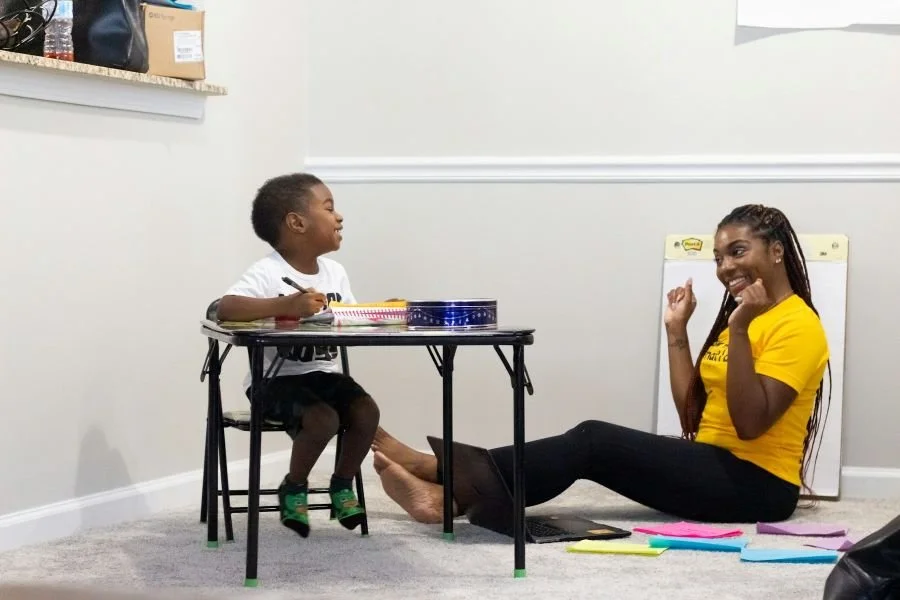
Once your child starts bringing homework home, their environment really affects how well they can focus. You don't need a whole extra room; a dedicated spot in the kitchen or living room can work perfectly. The main thing is to be consistent and organized. Make sure the space is well-lit, quiet, and free from distractions like the TV or tablets during study time.
Having all their supplies close by, like pencils, paper, and books, helps them stay on task. A tidy desk can lead to a clearer mind. Setting up a positive learning environment at home shows them that you value their education and are there to give them the structure they need to do well.
Encouraging Independent Study Habits
Your support is important, but the main goal is to help your child become an independent learner. You can do this by guiding them instead of just giving them the answers. When they're stuck on a problem, ask questions that help them figure it out themselves. For example, you could ask, "What did you learn about this in class?" or "Where in your textbook might you find a clue?"
Help your child learn to manage their time by breaking down big assignments into smaller, more manageable steps. A simple weekly planner or checklist can help them take charge of their schedule. This teaches them responsibility and makes them feel less overwhelmed, building their confidence to tackle challenges on their own.
Navigating Key Academic Milestones
As kids move through school, the schoolwork gets tougher. Big changes, like going from elementary to middle school or getting ready for important exams, can be stressful. Your steady, calm support during these times is incredibly valuable. Talk to them about what to expect and let them know you're there to help them get ready for new challenges.
For older students, this support might mean helping them find good study resources. The pressure of standardized tests and final exams can be intense, so having a clear plan is key. For example, finding high-quality materials when revising for GCSEs can really boost their confidence and performance. Your role shifts from directly helping to being a facilitator, connecting them with the tools they need to succeed on their own terms.
When Extra Support Is Needed
It's normal for every child to struggle with a subject or idea at some point. Watch out for signs of frustration, avoiding homework, or a sudden drop in grades. The first step is to talk to your child to understand what's making things hard. Is it a specific topic, something happening in the classroom, or something else?
Next, talk to their teacher. Teachers can give you great insights into how your child is doing and acting in class. They might have strategies you can use at home or be able to offer extra help at school. Sometimes, a tutor can provide the one-on-one attention needed to overcome a hurdle and build confidence back up. Prioritizing their well-being and keeping communication open will help them feel supported no matter what.
Your steady encouragement and active involvement are the most powerful tools you have. Creating a supportive foundation helps your child develop the skills and confidence they need to do well both in and out of the classroom.
Disclosure: This is a collaborative post.