Sharing the Road With Two Wheeled Commuters
/Narrow streets and fast highways become much safer when everyone shares the pavement with respect. Car drivers often overlook smaller vehicles because they are looking for larger passenger cars during their daily commutes. This natural oversight creates real danger on the road.
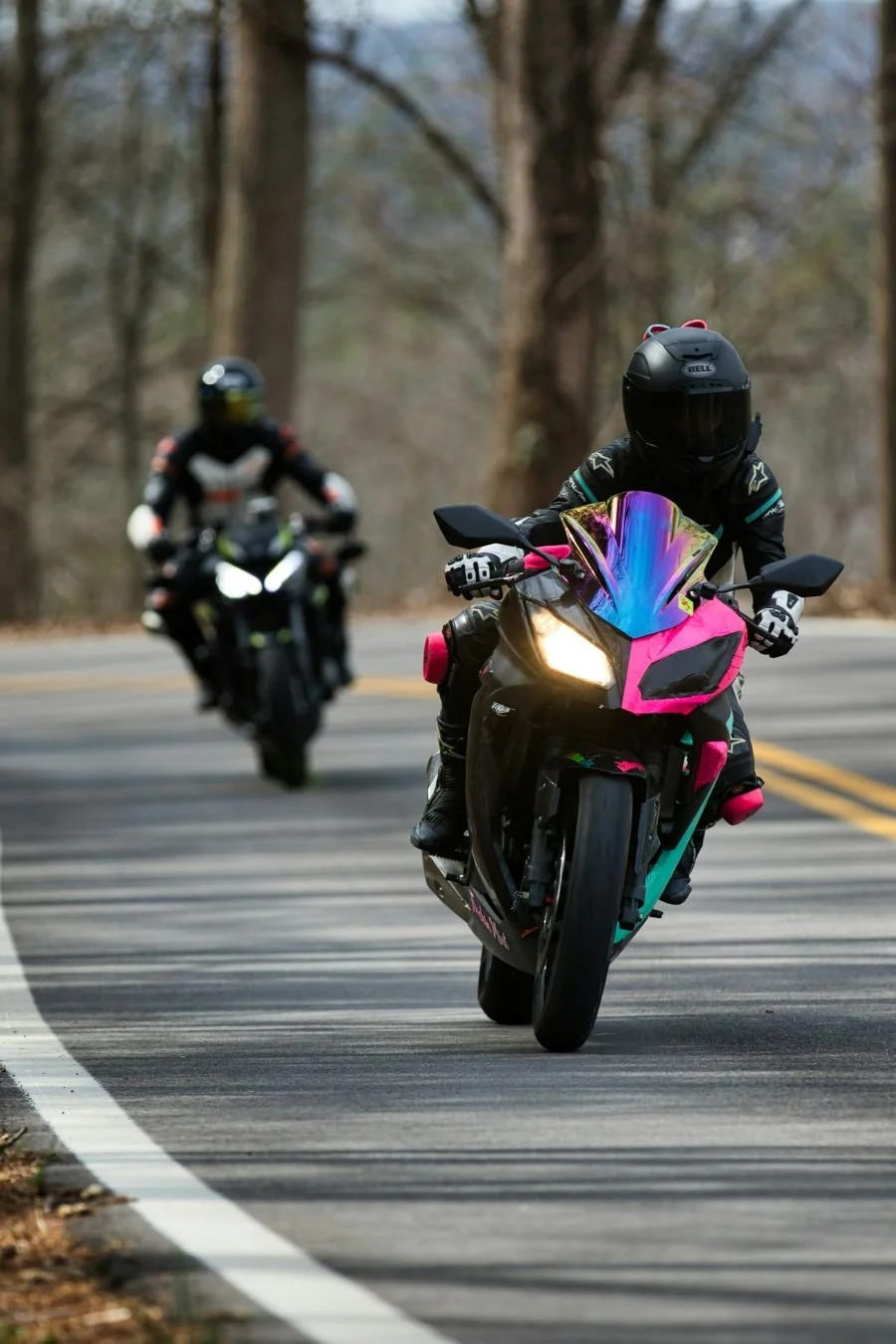
A quick trip to the grocery store or a weekend drive requires constant attention to the surrounding environment. Motorcyclists face unique challenges because their smaller profile makes them much harder to spot in heavy traffic. Safe travel depends on mutual vigilance.
Active cooperation between passenger cars and riders ensures that everyone arrives at their destinations without any incident. Staying highly alert and incorporating practical motorcycle safety tips into your routine protects these vulnerable commuters from harm. Adopting these critical habits prevents devastating collisions on busy public streets today.
credit: unsplash.
The Danger of Vehicle Blind Spots
Large passenger vehicles have extensive blind spots that can easily hide a small motorcycle from view. Looking only at the standard rearview mirror leaves a dangerous gap in your field of vision before turning or changing lanes. Checking side mirrors is absolutely vital.
Drivers often make the mistake of relying solely on automated blind spot monitors to keep them safe. These technological sensors can't always detect a narrow vehicle moving quickly past them. A physical head check is the only way to verify passenger safety today.
Taking an extra second to look over your shoulder before merging makes a massive difference in preventing collisions. This simple movement ensures that a hidden rider is seen before a driver begins to maneuver. Keeping this habit saves lives on crowded highways every day.
Establishing a Safe Following Distance
Tailgating is a highly dangerous practice that becomes incredibly hazardous when traveling behind a two-wheeled vehicle. Motorcycles can stop much faster than standard passenger cars because they weigh significantly less. This physical reality requires drivers to maintain an increased following distance on roads.
Riders also need extra space to swerve around sudden road hazards like potholes, loose gravel, or dead animals. If a car is following too closely, the rider has no room to make emergency adjustments. A minor wobble can quickly escalate into severe tragedy.
Allowing at least a four-second gap behind motorcycles provides an essential safety buffer for everyone involved. This distance gives you enough reaction time to brake smoothly if the rider ahead has to slow down suddenly. Patience keeps the highway safe for all drivers now.
Navigating Hazardous Left Turn Intersections
Intersections represent the most common location for severe multi-vehicle collisions involving motorcycles. A frequent scenario involves a driver turning left across oncoming traffic without seeing an approaching rider. This common misjudgment occurs because drivers focus entirely on looking for larger vehicles on roads.
Judging the speed and distance of an oncoming motorcycle is incredibly difficult due to its small size. Drivers think they have plenty of time to clear the intersection when the rider is actually much closer than they realize. This error leads to impacts.
Taking an extra moment to verify oncoming traffic before making a left turn prevents devastating accidents. If you see a single headlight approaching, assume the motorcycle is closer than it appears and wait for it to pass safely. This simple caution protects human life.
Weather Barriers and Unseen Road Debris
Environmental conditions that represent minor inconveniences for passenger cars can be catastrophic for motorcycles. A light rain shower makes road surfaces slick, but for a rider, it dramatically reduces traction on the pavement. Water pooling in lanes causes immediate sliding hazards for them.
Road debris like loose gravel, dry leaves, and sand can also cause a motorcycle to lose traction instantly. While a car drives over these items without issue, a rider must navigate them with extreme care. Sudden changes in direction are very risky now.
Drivers should expect motorcyclists to change lane positions to avoid these hazards and give them the space required. Recognizing these struggles allows passenger vehicle operators to drive defensively and prevent sudden crashes. Staying patient protects every single traveler sharing the public road today.
Conclusion
Sharing the road with two-wheeled vehicles requires a commitment to safety from all motorists. Simple actions like using turn signals early, double-checking blind spots, and keeping a safe following distance prevent tragic collisions on modern highways. These small choices make a huge difference.
Predictable driving habits allow motorcyclists to anticipate your next move and adjust their path accordingly. Avoiding distractions like texting or eating keeps your eyes on the road where they belong. Highly attentive operators ensure that everyone returns home safely today without any incidents.
A collaborative environment on public streets is built on patience and mutual respect. When passenger vehicles and riders work together to maintain awareness, the risks of travel decrease dramatically. Promoting safety keeps these roads secure and protects precious human lives daily on transit lines.
Disclosure: This is a collaborative post.