Family-Friendly Golf Habits That Make Weekend Rounds More Meaningful
/Golf can look like a very grown-up pastime from the outside. There are rules, quiet moments, careful swings and a fair amount of patience involved. But for many families, that is exactly what makes it such a lovely activity to share.
It does not have to mean spending every Sunday on an 18-hole course or buying a full set of clubs for everyone in the house. Golf can be a gentle way to spend time outdoors, teach children about focus and fairness, and create small rituals that feel special without being complicated.
Whether there is already a keen golfer in your family or you are simply looking for a slower weekend activity, there are plenty of ways to make golf feel relaxed, welcoming and meaningful for everyone.
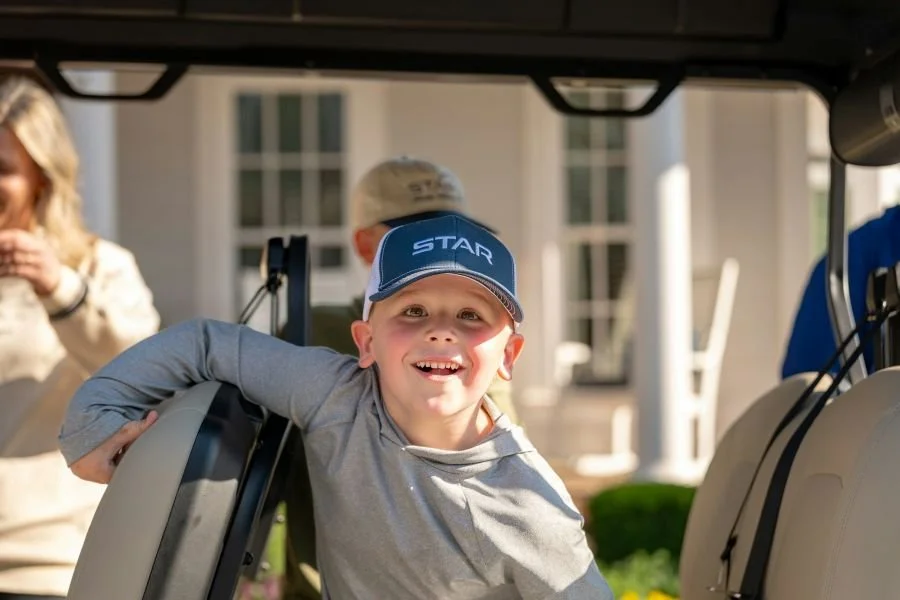
Credit: unsplash.
Start With the Experience, Not the Score
One of the easiest ways to make golf enjoyable for families is to take the pressure off performance. Children, and many adults too, are far more likely to enjoy the game if the focus is on being outside together rather than getting every shot right.
A trip to the driving range can be a good place to begin. There is no long walk between holes, no need to keep score, and no worry about slowing anyone else down. Younger children can watch, collect tees, count balls or have a few short turns when it is safe.
Mini golf is another simple starting point. It is playful, colourful and usually forgiving. It also introduces some of golf’s basic ideas, such as taking turns, lining up a shot and accepting that the ball will not always go where you want it to.
The key is to let the day feel light. If someone wants to stop for a snack after twenty minutes, that can still be a successful outing.
Create Small Rituals Around the Game
Families often remember the little details more than the activity itself. The flask of hot chocolate after a chilly morning. The same cap worn every time. The child who insists on being in charge of pencils for the scorecard.
Golf lends itself beautifully to these small rituals. A parent might keep a lucky tee in their bag. A child might choose the colour of the balls for a putting practice session. Another family might have a post-range tradition of sandwiches in the car or a quick walk nearby.
These details matter because they give children something familiar to look forward to. They also make the sport feel less formal and more personal.
For a golfer who enjoys small personal touches, a marker from Aceballmarkers is the kind of detail that can make a familiar weekend round feel a little more considered.
It is not about turning the game into a display of accessories. It is about recognising that small objects often become part of the memory of a hobby, especially when they are used regularly.
Let Children Take on Simple Responsibilities
Children often enjoy golf more when they have a job to do. It gives them a sense of involvement, even if they are not ready to play a full game.
A younger child might be responsible for carrying a water bottle, counting how many balls are left in a basket at the range or placing tees into a small pouch. Older children can help read the scorecard, rake a bunker properly or learn when to stand still and stay quiet.
These small responsibilities teach respect for shared spaces. Golf courses and ranges have their own etiquette, and learning it can be surprisingly useful for children. They practise patience, awareness and consideration for other people.
It is helpful to explain the reason behind each rule. Instead of simply saying, “Be quiet,” you might say, “Golfers need a moment to concentrate before they swing.” That small explanation makes the rule feel fairer and easier to remember.
Use Golf to Talk About Resilience
Golf is a wonderful lesson in not getting everything right the first time. Even experienced players have poor shots, missed putts and frustrating rounds.
For children, that can be a useful thing to witness. They see an adult make a mistake, take a breath and try again. That is a powerful example, especially when it is handled with humour.
A simple phrase such as, “That one did not go to plan, so I will try again,” can turn a frustrating moment into a teachable one. It shows children that disappointment is normal and that effort still matters.
You do not need to turn every activity into a life lesson, of course. But golf naturally opens up conversations about patience, practice and managing feelings. These are the kinds of lessons that often stay with children because they happen in real life, not in a lecture.
Keep the Kit Simple and Practical
It is easy to assume that starting a new activity requires a lot of equipment, but family golf can begin very simply. Comfortable clothes, sensible shoes and a small amount of patience will get you much further than an overpacked bag.
If you are visiting a driving range, clubs are often available to borrow or hire. For mini golf, everything is usually provided. If someone in the family already plays, children can begin by learning about the items in the golf bag one at a time.
This can be surprisingly engaging. A child might enjoy learning why different clubs have different shapes, what tees are for, or why golfers mark their ball on the green. These small explanations help the game make sense.
Try not to overload children with too much information at once. One new idea per outing is usually enough. The aim is curiosity, not mastery.
Make It Part of a Wider Day Outdoors
Golf does not have to be the whole plan. In fact, for families, it often works better as part of a wider day out.
A short putting session followed by a park visit can feel more manageable than a long sporting commitment. A morning at the driving range can be paired with lunch nearby. A family walk near a course can help younger children get used to the setting before they are expected to participate.
This approach is especially helpful when children have different levels of interest. One child may want to hit balls for an hour, while another prefers watching ducks by the pond. Building flexibility into the day keeps things calmer for everyone.
It also helps adults enjoy the experience. When the plan is realistic, there is less pressure to make the outing look a certain way.
Encourage Connection Between Generations
Golf is one of those rare activities that can be shared across generations. Grandparents, parents and children can all be involved, even if they participate in different ways.
A grandparent might teach a child how to hold a putter. A parent might share a funny story from their first attempt at the game. A child might ask questions that make everyone slow down and see the sport differently.
These shared moments can be particularly meaningful because they do not rely on constant conversation. Walking together, watching a shot or waiting quietly can create a gentle kind of companionship.
For families with busy schedules, that slower pace can be refreshing. It gives everyone a reason to put phones away, step outside and focus on the same small task for a while.
Conclusion
Golf does not need to be serious, expensive or time-consuming to have a place in family life. At its simplest, it can be a calm way to spend time outdoors, practise patience and build little traditions that children remember.
The most meaningful family hobbies are often the ones that leave room for imperfection. A missed putt, a windy afternoon or a child losing interest halfway through can still be part of a good day.
When the focus is on connection rather than competition, golf can become more than a sport. It can become a gentle weekend ritual, shared in small moments, one swing at a time.
Disclosure: This is a collaborative post.