Delphian School: What International Families Should Ask Before Choosing a U.S. Boarding or Day School
/Families applying to U.S. schools from overseas often work with limited information. Virtual tours help, yet they rarely show how students are supported once classes begin. Parents who have been through the process often say they wished they had asked more questions about routines, guidance, and communication rather than focusing only on brochures and course lists. These areas influence a student’s experience far more than most families expect.
The variety of student communities across American schools also highlights how different these environments can be. According to its listing on Educatly, Delphian School states that “15 different countries are represented in the student body.”
While that number reflects one specific institution, it shows how many U.S. schools serve students from a wide range of backgrounds, each bringing distinct expectations about learning and daily life. That diversity can be a strength, but it also makes thoughtful questioning even more valuable for families choosing from abroad.
Assumptions shaped by a family’s home country can complicate the decision, especially when expectations around independence, communication style, and academic pressure differ from what the student will find in the United States. A school that seems structured to one family may feel unstructured to another. Understanding these cultural differences helps parents gauge how their child will adapt during the first months.
Distance creates an additional challenge because the school becomes the student’s primary support system. Teachers, counselors, and dorm leaders fill roles that families usually handle directly. Knowing how these adults approach care, communication, and problem-solving gives parents a clearer picture of what their child can rely on once they arrive.
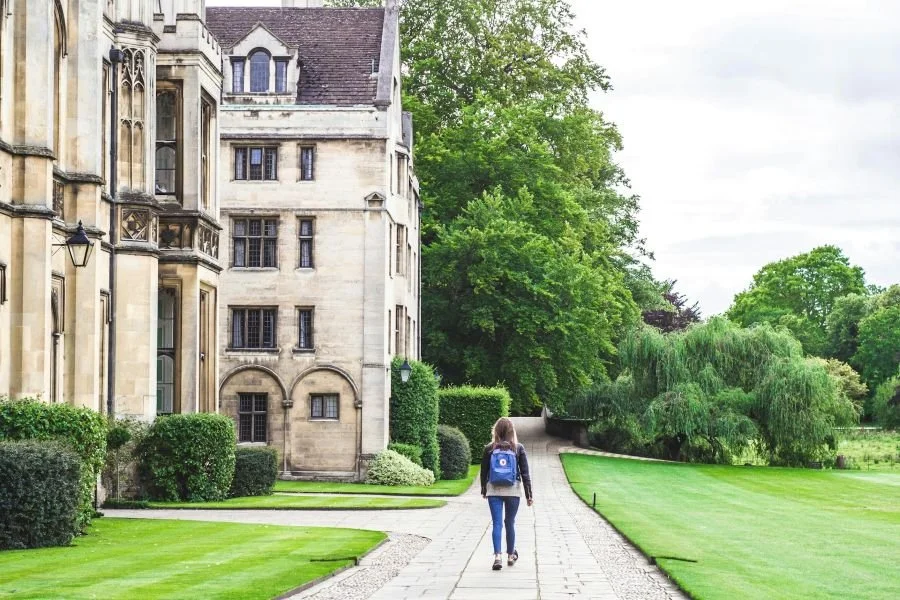
CREDIT: Unsplash - Victoria Heath
Looking Beyond Course Lists and Understanding Academic Support
Course offerings often look similar across schools, but the student experience can differ significantly. Families can ask how new students are placed in courses during the first weeks and whether the school allows time for adjustment. Some students benefit from a gradual transition into advanced classes. Others prefer a more immediate challenge. Understanding the school’s placement approach helps parents see how academic expectations are managed.
According to schools like Delphian, flexibility is also important. Students frequently develop new interests after settling in, so it helps to know how easy it is to change classes or explore unfamiliar subjects. Some schools support midyear adjustments without difficulty. Others follow more rigid processes. Families can also ask when long-term planning begins, how often students meet with advisers, and whether advisers understand global university pathways.
Teacher accessibility influences how quickly students adapt to a new academic culture. Families should ask how teachers communicate outside class, whether extra help is available, and how students receive guidance during demanding periods. These details show how a school ensures that international students don’t feel lost during the transition.
Evaluating How Schools Support English Language Growth
Language development unfolds differently at every school. Families can begin by asking how English proficiency is assessed and how that assessment shapes the student’s schedule. Some schools offer structured English programs, while others weave support into mainstream classes. Understanding the format helps parents see which model suits their child’s needs.
Support outside regular classes is equally important. Writing labs, small-group instruction, or targeted tutoring can make a meaningful difference for students who are adjusting to new vocabulary and class expectations. The need for strong support is clear, considering that English-learner students account for 10.6 percent of U.S. public K–12 enrollment, according to data from the National Center for Education Statistics published through Education Week in this overview of the English-learner student population. A reliable system for extra help can ease early stress and help students build confidence as they adapt.
Participation in class discussions presents another challenge for many international students. Families can ask how teachers encourage contributions from students who are still becoming comfortable with English. Schools that use thoughtful strategies to draw in quieter voices help new students feel recognized and included in the classroom community.
Understanding Social Life and How Students Build Community
A student’s sense of belonging often develops outside class. Families can ask how new students are welcomed, whether peer mentors are involved, and what the first days on campus typically look like. These early interactions shape how comfortable a student feels during the first semester, especially when they’re far from home.
Activities and clubs influence how friendships form. Parents should explore how students join sports, arts programs, or other groups and whether these opportunities feel accessible to newcomers. The scale of international mobility shows how common these transitions have become, with the Institute of International Education noting that the United States hosts more than 1.1 million international students, according to this report on global student enrollment. Although that statistic refers to higher education, it reflects the growing diversity younger students encounter in American schools, which influences how they build relationships across backgrounds.
Cultural integration deserves attention as well. Students may naturally form groups based on shared cultural familiarity, yet mixing with a wider set of peers helps them grow socially and linguistically. Families can ask how the school encourages interactions among students with different experiences and whether staff check in with students who might be slower to find their footing.
What Daily Life Looks Like in Dorms or Homestays
Housing and homestay arrangements shape a student’s routine from morning to night. For boarding schools, families can ask who supervises dorms, whether staff live on-site, and how involved they are throughout the week. Each school has a distinct approach, ranging from structured routines to settings that offer more independence.
Daily schedules also matter. Parents may want to know how study hours are organized, what weekends look like, and how students spend their free time. A student who thrives with structure will feel more comfortable in an environment with clear expectations. Others do well in settings with more flexibility. Understanding these routines helps families match the school to the student’s personality.
Roommate assignments and conflict resolution also play a role in the boarding experience. Families can ask how students are paired and whether room changes are possible if needed. Clear processes for handling conflicts often reflect strong student support.
For homestay programs, the matching process deserves careful attention. Families can ask how host families are selected, how long they’ve worked with the school, and what communication looks like between the school and the homestay. A supportive home environment can ease the transition for students who are new to the country.
Health, Safety, and Emotional Support Systems
Families abroad rely on the school to handle concerns they’d usually manage themselves. Asking about on-campus medical access and after-hours care helps parents understand how the school responds when a student needs help unexpectedly. These systems shape how secure students feel while they adjust to unfamiliar surroundings.
Emotional support is another factor that influences how well students settle in. Counselors who understand cultural adjustment can make a significant difference during the first months, especially when homesickness or uncertainty sets in. The demand for care is reflected in enrollment shifts across independent schools, with the National Association of Independent Schools noting that about 45 percent of its member boarding schools reported a year-over-year increase in international student enrollment for 2024–25, according to this discussion of recent boarding-school trends. A growing international population means schools are working with more students who may need guidance during the initial adjustment period.
Safety practices differ from campus to campus. Families can ask how the school supervises students during evenings and weekends, how visitors are monitored, and how concerns such as bullying are addressed. These details give parents a sense of whether the environment feels structured and predictable.
Understanding a School’s Experience with International Students
University outcomes often attract attention, yet they don’t always reflect how international students are guided through their time at school. Families can ask about patterns rather than individual results and how closely international students’ experiences match the broader student body.
Advising systems vary, and families benefit from asking when formal planning begins and how frequently students meet with counselors. Understanding how advisers support course sequencing, academic interests, and application timelines helps parents picture the level of guidance their child will receive.
Some students consider options outside the United States. Families can ask whether counselors understand other application systems and whether they provide support for students exploring multiple destinations. A well-informed counselor can help students make choices that fit their goals.
Clarifying Total Costs and Financial Expectations
Tuition usually covers only part of the total cost for international families. Schools differ in which items are included. Families can ask for a full breakdown of fees for technology, activities, textbooks, travel, and health insurance. These details make comparisons more accurate.
Housing and homestay programs may involve extra charges. Parents should ask what is included in room and board, what counts as an additional expense, and how weekend or holiday arrangements are handled. Clear explanations help families avoid midyear surprises.
Refund policies and payment schedules also vary. Families can ask how tuition is handled if a student withdraws due to health or visa issues and whether the school supports installment payments for international accounts. These questions provide a realistic picture of financial expectations.
What to Ask About Visas and Guardianship
Visa requirements can feel confusing without guidance. Families can ask who prepares the necessary documents, how early the process begins, and what support is available if paperwork complications arise. Schools with clear procedures make the process less stressful.
Some schools require a local guardian who can attend meetings or help during emergencies. Parents can ask what the guardian’s responsibilities include and how the guardian stays in touch with the school. Understanding this role helps families choose someone reliable.
Families may also want to know how often documents need updating. Asking about renewals, reviews, and school oversight helps parents understand how closely staff stay involved in compliance.
Bringing Everything Together
Choosing a U.S. school from abroad becomes easier when families focus on the parts of daily life that shape a student’s experience. Routines, communication, housing, language support, and adult involvement often determine how well a student adapts. Schools that can explain these areas clearly usually provide steady support once classes begin. When families ask detailed questions and look closely at how the school functions day to day, the decision becomes more grounded and less uncertain.
Disclosure: This is a collaborative post.