Cultural Dubai: Discovering the City Beyond the Skyscrapers
/
credit: unsplash.
To arrive in Dubai is to encounter a city that functions as a high-speed bridge between a prehistoric desert past and a shimmering, vertical future. For the Canadian traveler, whose own landscape is defined by vast natural expanses, Dubai’s architectural scale can at first seem like its only story. However, beneath the shadow of the world’s tallest spires lies a geography of "Old Dubai" the winding alleys of Al Fahidi and the salt-scented shores of the Creek where the traditions of the Bedouin and the pearl diver still dictate the cultural rhythm.
In 2026, the city has refined its "Dubai Cultural Trails," proving that the soul of the Emirates is found not just in the heights of the Burj Khalifa, but in the shaded courtyards and the aromatic steam of a traditional coffee pot.
Many travelers begin their planning by searching for Dubai vacation packages to secure a gateway to the legendary luxury of the Palm Jumeirah or the vibrant energy of Downtown. While the convenience of an all inclusive vacation package to Dubai provides a restorative and seamless base for the journey, the real reward of a 2026 itinerary is the "Deep Heritage" immersion it allows.
Choosing to spend time in the historic quarters satisfies the curiosity for the foundational myths of the desert, ensuring that every transition from a high-tech mall to a traditional souk is felt as a meaningful discovery, reminding the traveler that Dubai is a city of layers, where the ancient and the avant-garde coexist in a constant, sun-drenched dialogue.
Travelodeal simplifies the experience of exploring Dubai’s dramatic contrasts, where futuristic skyscrapers stand beside sweeping desert landscapes and historic waterways continue to shape the city’s identity; with logistics carefully managed across its expansive geography from seamless metro links to traditional abra crossings travellers can shift effortlessly from modern districts to heritage quarters, allowing the skyline’s intensity to fade into a slower, more culturally immersive rhythm through thoughtfully arranged Dubai vacation packages.
Dubai is also a top destination for all inclusive vacations, blending cultural richness with world-class luxury in one seamless experience.
The Creek: The Liquid Heart of Tradition
The Dubai Creek is the city’s primary navigator of history. Long before the highways, this saltwater inlet was the lifeblood of the pearling and fishing industries.
Engaging in the ritual of an abra (traditional wooden boat) crossing for just 1 AED is the essential Dubai experience. It offers a visceral look at the city’s maritime soul, providing a sensory bridge between the gold and spice souks of Deira and the wind towers of Bur Dubai. This "water highway" teaches the traveler to value the "human-scale" journey, where the sound of the water and the call to prayer create a timeless atmosphere.
Al Fahidi: The Stone and Wind Sanctuary
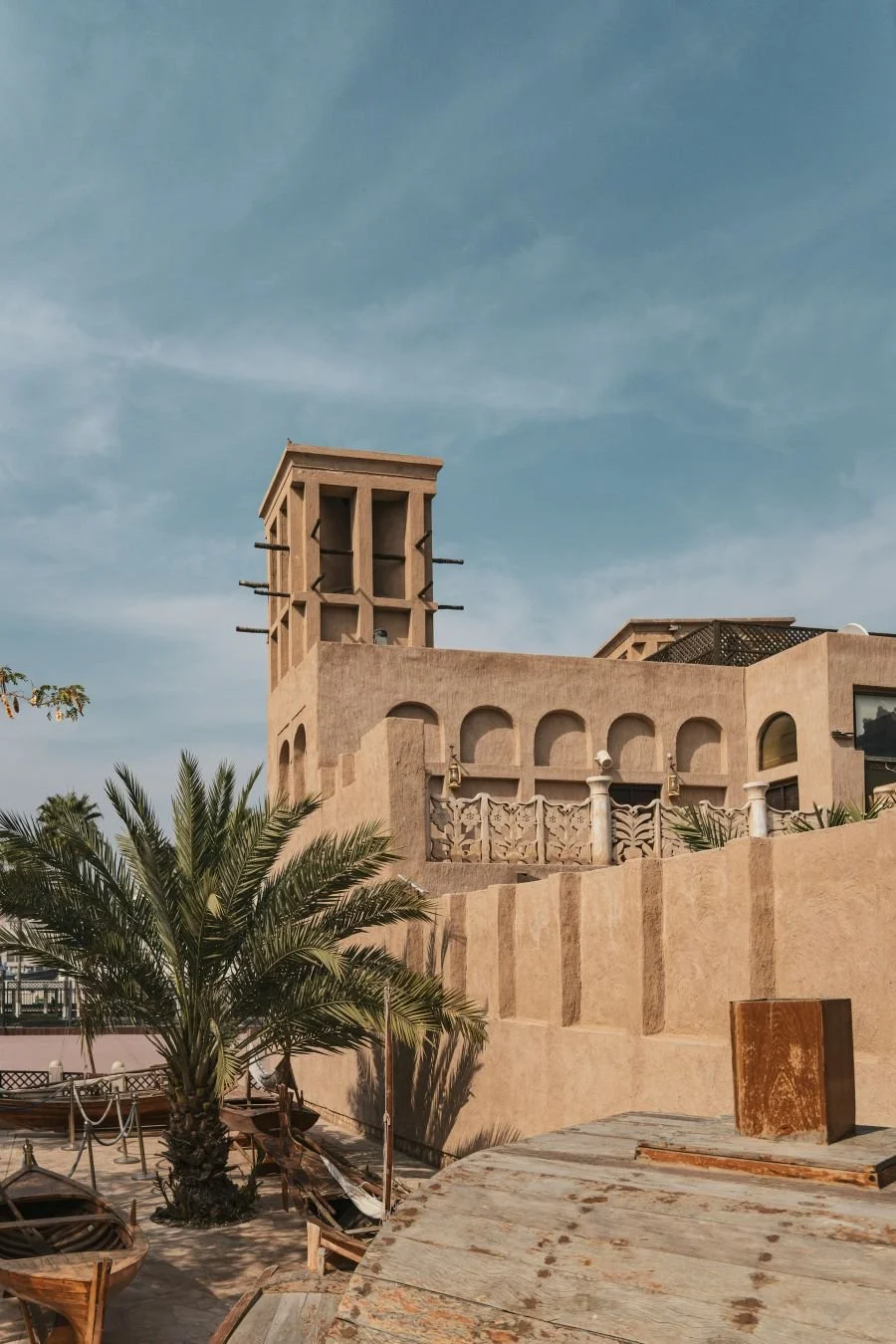
Nestled in Bur Dubai, the Al Fahidi Historical Neighborhood is a masterclass in desert architecture. Its narrow alleys and gypsum-and-coral houses were designed for the "Slow Life," featuring high wind towers (barjeels) that naturally cooled the homes long before electricity.
In 2026, these buildings have been revitalized as art galleries, the Coffee Museum, and the Sheikh Mohammed Centre for Cultural Understanding (SMCCU), providing a sense of prehistoric peace in the middle of a modern metropolis. Exploring this quarter offers a sensory experience defined by the scent of frankincense and the intricate patterns of carved wooden doors.
The Desert Ritual: Majlis and the Stars
Beyond the city limits, the Arabian Desert remains the ultimate cultural horizon. In 2026, the "Sustainable Desert" initiatives focus on authentic Bedouin experiences that move away from high-speed dune bashing toward the quiet traditions of the Majlis (social gathering).
Engaging in a sunset camel trek or a night of stargazing at the Al Marmoom Desert Conservation Reserve is the primary social bridge to the Emirati heart.
It is a reminder that the desert is not an empty space, but a landscape of deep knowledge and resilience, where the hospitality of the tent is as grand as any five-star resort.
Disclosure: This is a collaborative post.