Best Wine Regions of Italy
/One of the best ways to see and experience Italy is by immersing yourself in its wine regions. World renowned for its superb wine, Italy’s 12 wine regions offer great vacation destinations. Never an afternoon or evening meal is eaten without an accompanying glass of vino, and most Italians can rattle off the names of the 12 wine regions quicker than the 20 political boundaries.
Understandably so considering that Italy produces more than 3 billion gallons a year and the drink is a source of regional pride. Here, then, are Italy’s 12 major wine regions and what to eat and drink in each.
Piedmont, Aosta Valley, Liguria
In the northwest corner of the country, extending from the foothills of the Alps to the shores of the Mediterranean, the Piedmont is anchored by its two main cities, highly industrialized Turin and historic, seaside Genoa.
For sun worshipper, Italian Riviera resorts San Remo and Bordighera have marvelous promenades with picturesque views. While in Turin have some grissini, bread sticks, which originated there. Asti Spumante, Italy’s bubbly white answer to French Champagne, comes from Piedmont. Liguria’s two most praised wines are Cinqueterre, a dry white that is excellent with seafood, and Cinqueterre Sciacchetra, a sweet dessert wine.
Lombardy
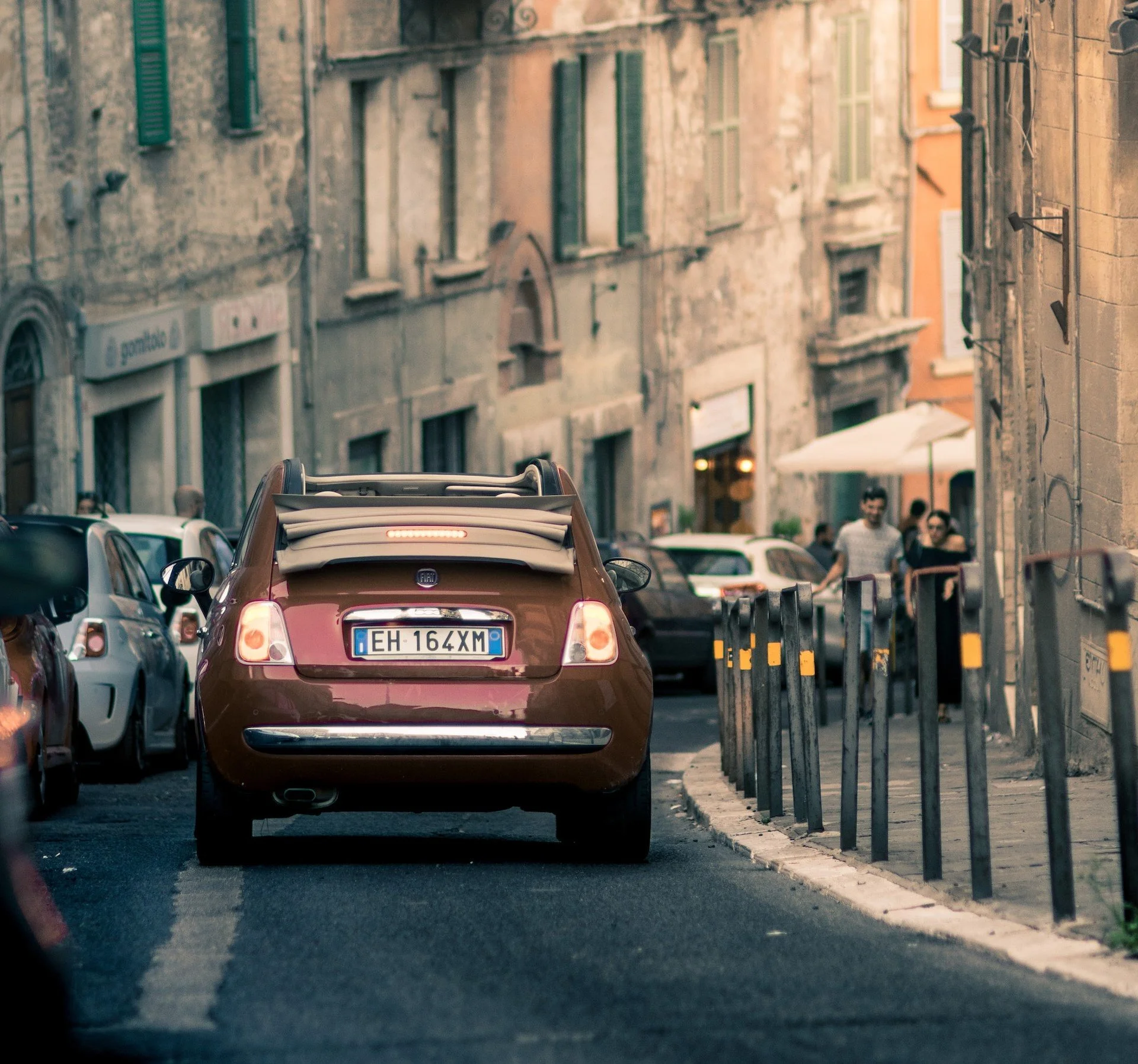
The main city in Lombardy is Milan, Italy’s financial capital. The elegant country life can be found 50 miles north of Milan in Lago di Como, a getaway for the rich and famous.
Veal dishes are a specialty of Lombardy. Two can’t-miss menu marvels are annegati, roast veal flavored with white wine, and the bread crumbed cutlet, costoletta alla Milanese.
The region’s best wine producing area is Valtellina where reds like Valtellina Superiore and Valtellina Sfursat are coveted.
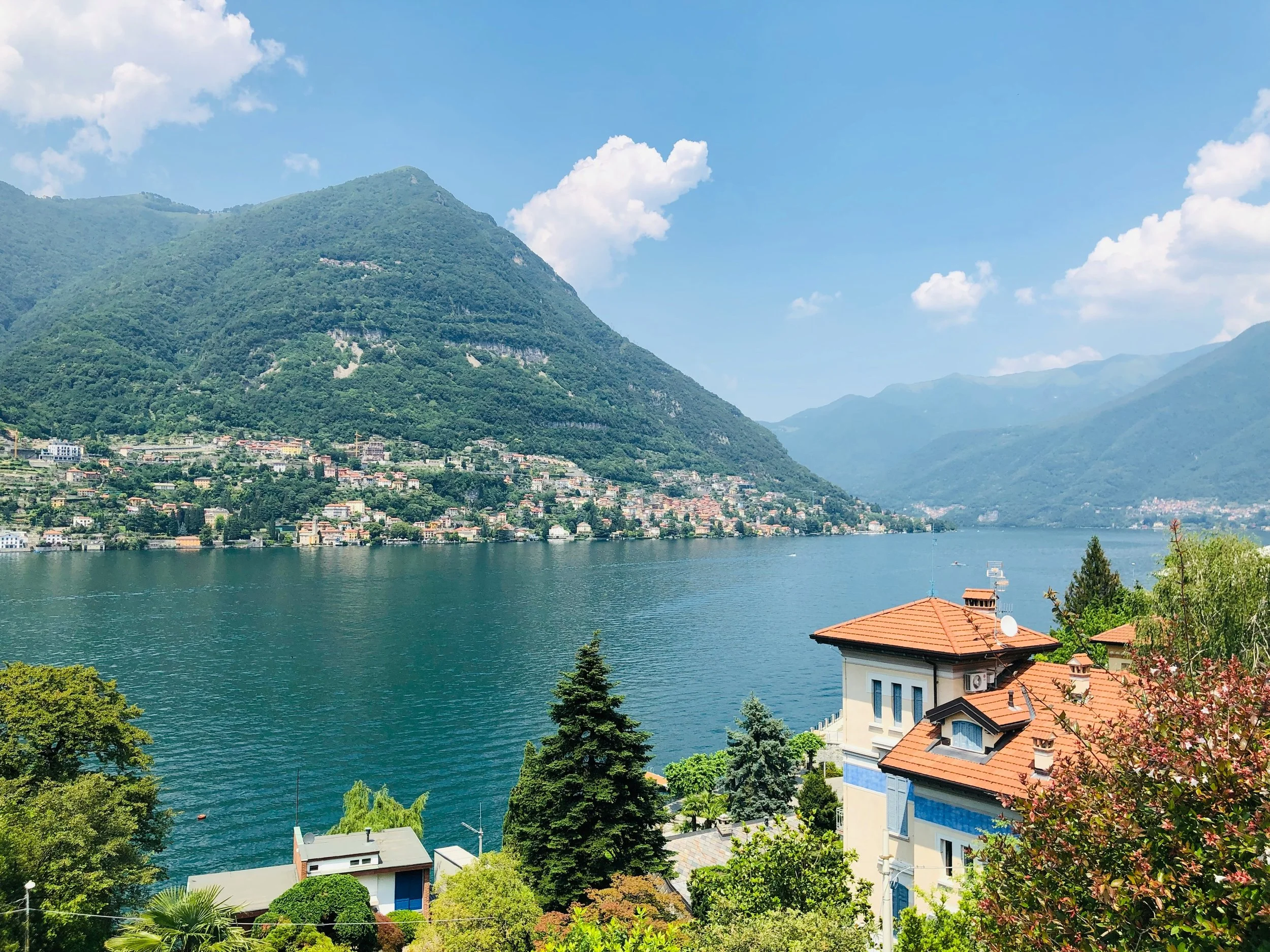
Photo by Martin Holovský on Unsplash.
Trentino-Alto Adige
One of the most exhilarating ways to see this region is by train. Gazing out an open window the majestic Alps seem a hand’s grasp away and the crisp mountain air awakens all your senses. Be sure and visit postcard beautiful mountains towns Bolzano and Trento.
The region, due to its northern border location, has many Germanic influences. Most of its more popular wines-Pinot Grigio, Riesling and Sylvaner- are produced in the German pattern. A culinary delight blending both cultures is Tschottnudeln, vermicelli cooked in milk and variously flavored.
Veneto
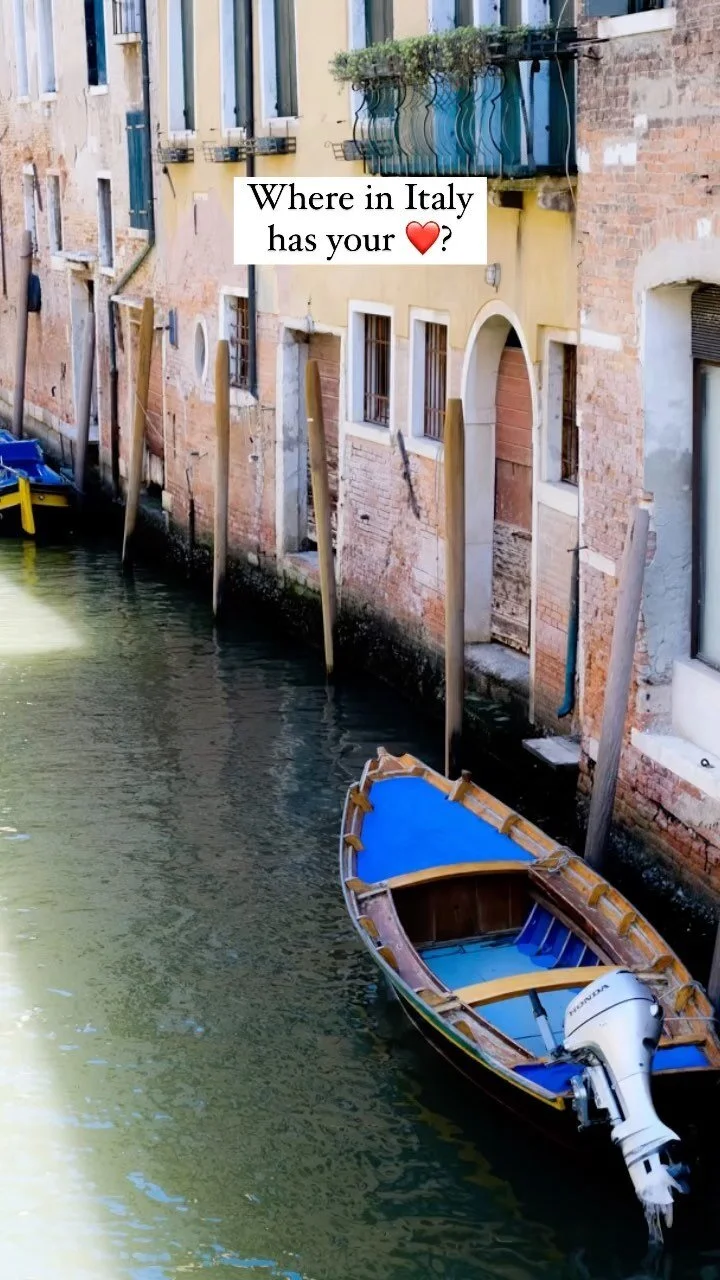
From the canals of Venice to sophisticated Verona, where Romeo and Juliet were supposed to have loved and dies, Vento offers something for every heart.
Those with big appetites are in luck. Venetians love fish dishes, which include granseole veneziane, a tasty kind of local crab, and scampi shrimps.
Vento is home to a trio of Veronese wines that are popular selections in U.S. restaurants. Bardolino is a light red. Valpolicella is a red with a hint of cherries in the bouquet and Soave is a dry, white wine.
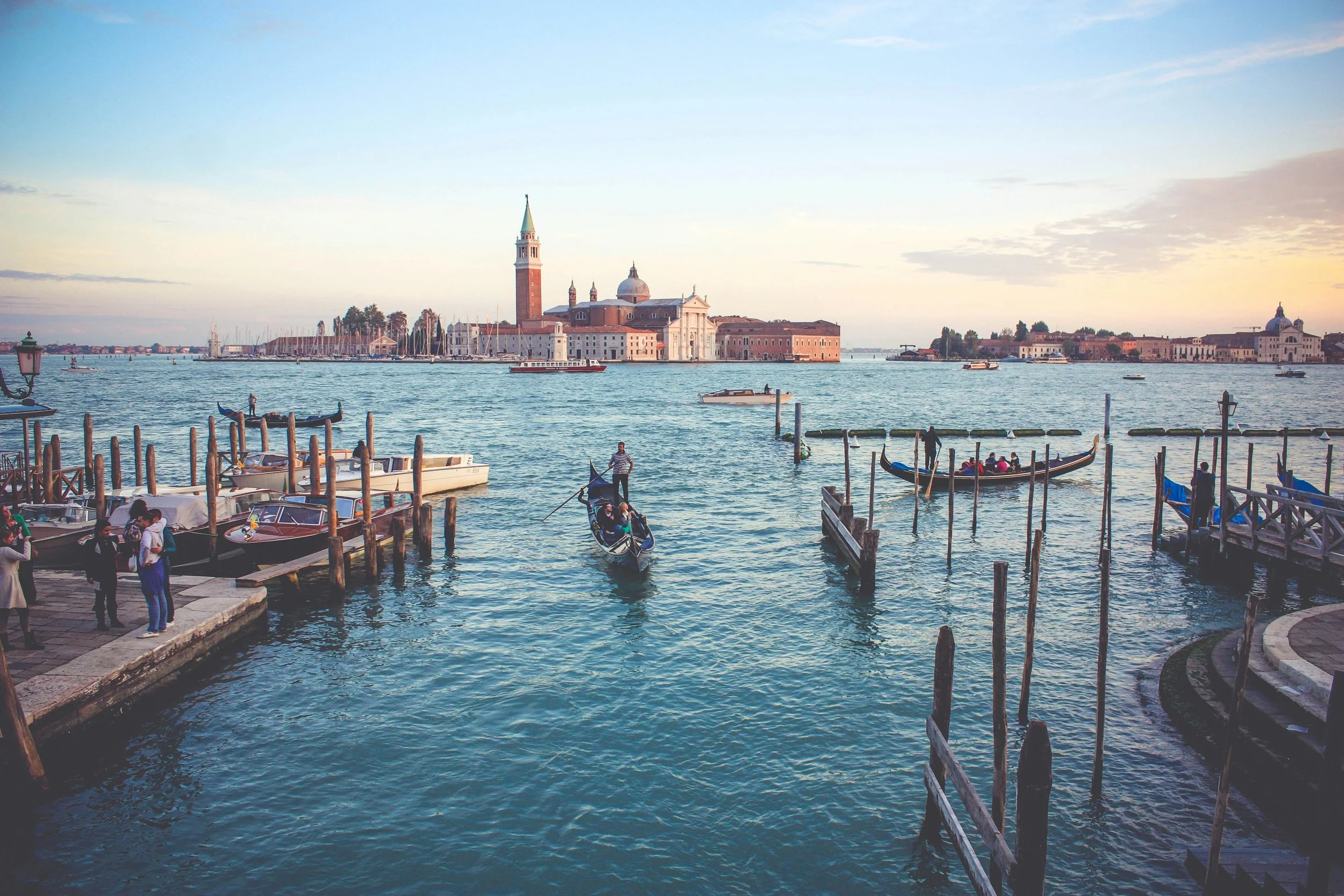
Photo by Joshua Stannard on Unsplash.
Friuli-Venezia Giulia
In the northern part of the region, the lush pasture of the Alpine slopes makes beef and dairy farming chief occupations. The area produces the smoked San Daniele ham of Udine, a gastronomic antipasto superstar.
Trieste is its best-known city, a mini San Francisco with a picturesque port, hilly streets and mountainside villas. Cooking Trieste reflects the multinational background of the region. Featured in most restaurants are specialties calamari, squid and minestra di fagioli bean soup.
The most popular wines of the region are Tocai and Merlot, a white and red respectively.
Emila-Romagna
Bologna, the region’s largest city, is the capital of expanding waistlines featuring a diet of heavy, rich foods.
Two Bolognese staples are tortellini, a pasta stuffed with a mixture of pork, eggs, cheese and spices topped with a sauce or in a soup, and lasagna al forno, wide strips of pasta with cheese, tomato sauce and meat layered in between.
Lambrusco, a frothy red wine produced in sweet and dry styles, is the wine of choice in the region.
Tuscany
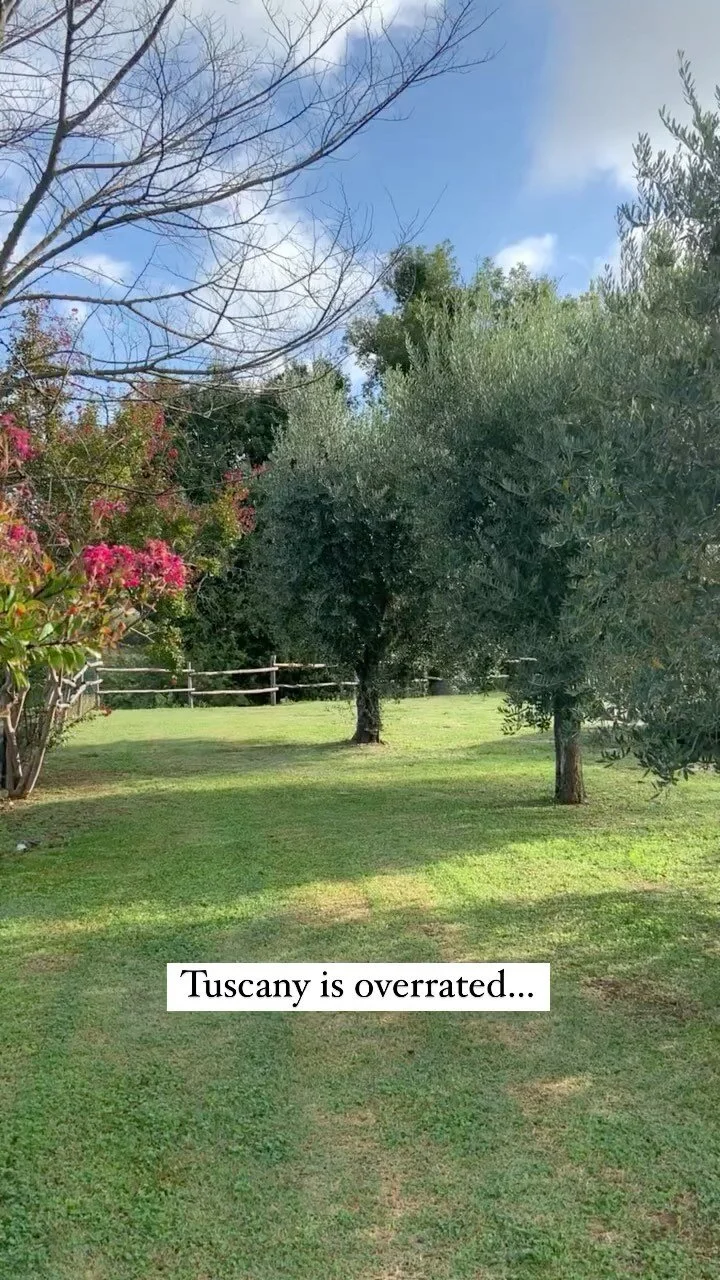
Probably the most familiar symbol of Italian red wine to Americans is the fiaschi, the pear shaped bottle used for Chianti, produced in this region in central Italy.
Tuscans are pleasure-loving people who enjoy good, hearty food with their wine. A menu superstar in Florence is costata alla fiorentina, a charcoal grilled steak. Along the Tuscany coast, two specialties cooked to perfection in Livorno trattorie and restaurants are cacciucco, a fish soup, and polpipi, octopus.
Umbria, Latium
Do all roads lead to Rome” I you like great food and white wine they do. Undeniably, the Latium region is white wine country. The most famous and the traditional house wine of many Roman trattoria is Frascati.
Umbria is known for the celebrated wine Orvieto, a white produced from different grapes in sweet or dry styles.
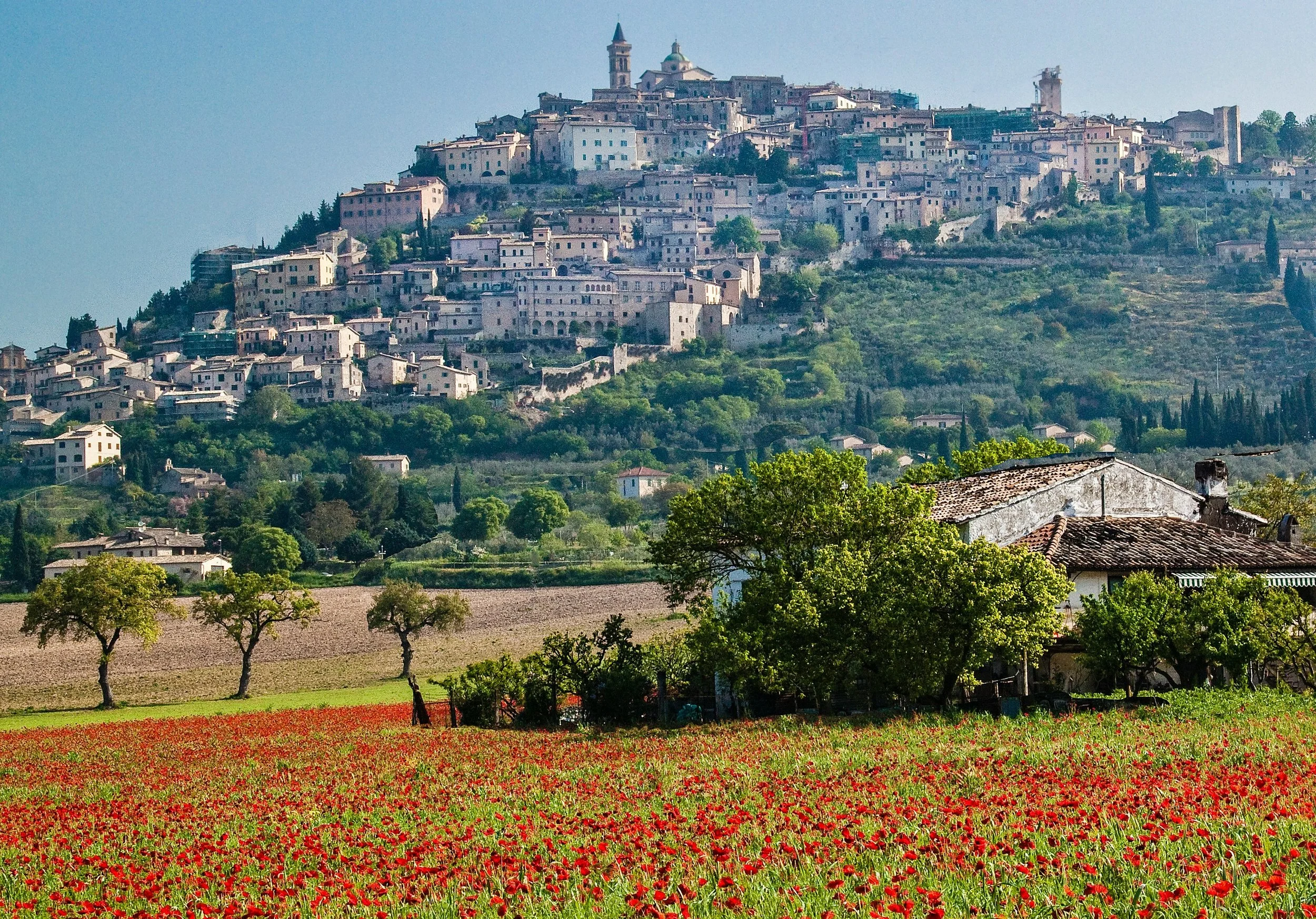
Photo by Sterling Lanier on Unsplash.
Marche, Abruzzi
In Marches, you’ll find Verdicchio dei Castelli di Jesi, a dry white that pairs well with fish. The action in Marches starts and finishes in Ancona, a major port, art town and Adriatic seaside resort.
Abruzzi to the south offers Montepulciano d’Abruzzo, a red wine ranked among Italy’s top 10 selling officially rated wines.
Campania, Apulia, Calabria, Basilicata
The main cities in the region, Naples and Pompeii, offer sightseeing galore and no shortage of vino. A cursory look at the region’s wines includes: Campania-Lacryma Christi del Vesuvio (white, red and rose), which is produced from grapes grown in the volcanic soil of Mount Vesuvius. Apulia is home to one of Italy’s finest roses, Castel Mone Rosoto. Calabria is known for Ciro Rosso, a red wine. Basilcata features the red Aglianico del Vulture.
Sardinia
For the most part, Sardinia is mountainous and wild. Sardinia boasts the classic red wine Cannonau di Sardegna. A popular pasta is malloreddus, usually covered with a sausage sauce and pecorino, sheep’s milk cheese.
Sicily
The island is brimming with quaint villages, colorful shrubs and foliage surrounded by aquamarine Mediterranean waters. Sicily produces the internationally famous dessert wine Marsala, a syrupy white.
If you love a bit of culture, scenery and a decent tipple this is one of the best ways to see and experience Italy. Salute!